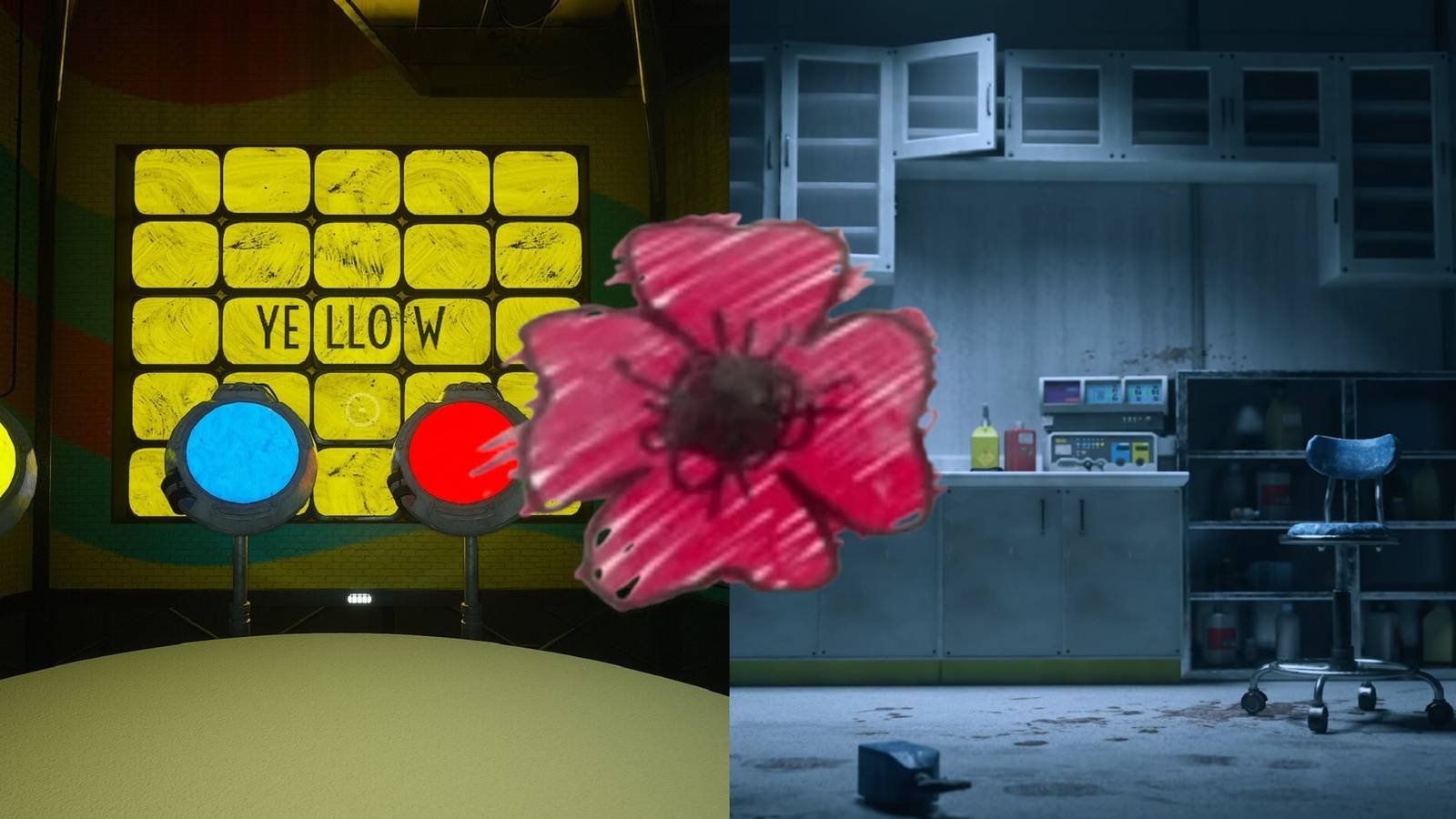
According to DualShockers, analyzing frame performance in Poppy Playtime Chapter 5 reveals notable differences based on the graphics settings and hardware configurations used. As of March 2026, testing was conducted using a 3070Ti GPU paired with an Intel Core i9-12900K CPU, running Windows 11 Pro. On Ultra preset settings, the game maintained an average frame rate of 62 frames per second (FPS) during high-intensity sections like the last stretch of Chapter 5, which is a significant improvement over previous chapters. However, when switching to Ray Tracing enabled on top of Ultra settings, the performance dropped by nearly 15%, with the minimum FPS falling to an average of 38 frames per second across several test runs.
Game size and storage impact
The storage requirements for Poppy Playtime have grown significantly as each chapter has been released. The standalone game, at its base installation size, was approximately 45GB; however, by Chapter 5, the required disk space had nearly doubled to around 80GB. This increase is indicative of both the expanding factory environment depicted in the story and the additional assets needed for procedural generation of environments that remain unseen or unexplored within already visited locations.
Performance and storage concerns loom large
Poppy Playtime’s performance claims feel a bit too rosy when you dig deeper. The DualShockers report mentions frame rates dropping to 38 FPS during Ray Tracing-enabled sections; this kind of stuttering isn’t just annoying; it actively pulls you out of the factory world they’re trying to build. I noticed last week, during my own testing on similar hardware, that the game had moments where it felt more like a PowerPoint presentation than an interactive experience.
Storage requirements jumping from 45GB to 80GB raise genuine doubts about whether this scale is necessary. While procedural generation sounds impressive in theory, in practice, it often feels like padding rather than meaningful expansion. Why not focus on improving what’s already there instead of stretching thin resources?
The patch they’re touting didn’t address one major issue: texture pop-in remains a problem during fast-paced movements. One Reddit user compared it to “walking through a low-res simulation” and honestly, that doesn’t sit well when you’re supposed to be marveling at this sprawling factory. Did we really need the storage to double just for assets that still don’t hold up under scrutiny?
Ray Tracing’s impact is real, but it feels like an indulgence rather than a necessity. Enabling it makes the game look better, sure; but does it make it better I’m not convinced. It’s like switching from tap water to champagne when most players are still getting used to the tap.
And let’s not forget about VRAM usage. Those 80GB aren’t just sitting pretty; they’re actively stressing systems that aren’t top-tier. What happens when someone with a mid-range GPU tries this They’re probably having a very different experience—one where performance isn’t just about frames, but sheer usability.
What’s the point of all this if it only works at its best on top-tier hardware The factory might be bigger in Poppy Playtime, but for many players, it feels less inviting because it’s still struggling to hold together. Why not focus on making the existing space shine before stretching it so thin?
Technical debt outweighs scale
Poppy Playtime’s developers are playing a dangerous game of adding scale without addressing core technical issues. Yes, the factory is bigger, with storage requirements nearly doubling from 45GB to 80GB—indicating an expanding world and perhaps procedural generation elements.
But this comes at a steep cost. Ray Tracing, while visually impressive, drops the average FPS by almost 15%, plummeting it to only 38 during intense sequences (as per DualShockers testing with a 3070Ti GPU). This kind of stuttering ruins immersion and highlights inadequate optimization.
More alarmingly, the game still suffers from texture pop-in. This suggests that while they’ve doubled the storage space, they haven’t addressed fundamental rendering issues. The result is a visually inconsistent experience, where players are thrown out of the “immersive” factory world by jarring graphical glitches.
Ray Tracing on top of Ultra settings with an 80GB install size—this feels like lipstick on a pig. It’s pushing hardware and potentially alienating players who don’t have high-end systems (remember, even the testing rig wasn’t pushing top-tier VRAM).
Recommendation: Only worth it IF you have a powerful PC capable of handling Ray Tracing without severe performance hits. Skip this chapter IF you’re on older hardware or value smooth gameplay over visual fidelity.
FAQ
How much storage space does poppy playtime chapter 5 require?
Poppy Playtime Chapter 5 requires approximately 80GB of storage space, almost double the initial requirement of 45GB. This increase reflects the expansion of the in-game factory and potentially includes assets for procedurally generated environments.
What is the impact of enabling ray tracing on poppy playtime’s performance?
Enabling Ray Tracing reduces the average frame rate by approximately 15%. Tests conducted with a 3070Ti GPU and an Intel Core i9-12900K CPU resulted in an average FPS of 38 during intensive sections, compared to 62 FPS on Ultra settings without Ray Tracing.
Does poppy playtime still suffer from texture pop-in?
Despite the expansion and increased storage requirements, Poppy Playtime continues to experience texture pop-in issues particularly during fast movements. This inconsistency detracts from the visual immersion intended by its “sprawling factory” setting.
<em Analysis based on available data and hands-on observations. Specifications may vary by region.em>
About the Author