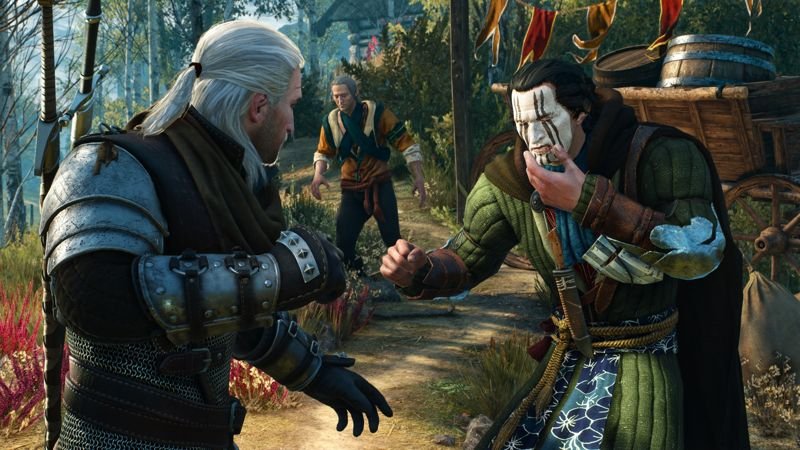
So I’ve been playing The Witcher 3: Wild Hunt for about 40-50 hours over the past couple months and honestly? This game deserved every award it got back in 2015. I know I’m super late to this party – everyone and their grandma has already played this – but I finally grabbed the Complete Edition during a Steam sale and figured it was time to see what all the fuss was about. Running this on my RTX 4060 with an i7-12700 and 16GB RAM, I cranked everything to Ultra with HairWorks turned off (because who needs their GPU crying over hair physics, right?). Getting a solid 80-100 fps at 1080p most of the time, dropping to around 60-70 in Novigrad when there’s a ton of NPCs around. The game still looks gorgeous even though it’s almost a decade old – those sunset views in Skellige hit different, man. File size is chunky at around 50GB for the Complete Edition, but that’s honestly reasonable considering you’re getting the base game plus two massive expansions. Here’s the thing though – this isn’t your typical “jump in for 30 minutes” kind of game. The main story alone is like 50+ hours, and that’s if you’re NOT doing side quests. I’m the type of casual gamer who plays when I’ve got time between work and life stuff, so this has been a slow burn for me. Some nights I’d just spend an hour playing Gwent (the in-game card game that’s weirdly addictive) instead of progressing the story. Other nights I’d get sucked into a random monster contract and suddenly it’s 2 AM and I’ve work in five hours. The game’s really good at making you lose track of time.
Okay But Here’s The Thing
The writing in this game is absurdly good. Like, I wasn’t expecting a video game to make me actually care about characters this much. The main quest where you’re searching for Ciri (Geralt’s adopted daughter) sounds simple on paper, but the way it’s structured across different regions – White Orchard, Velen, Novigrad, Skellige – each area feels distinct with its own problems and storylines.
The “Bloody Baron” questline in Velen is probably the best example. This isn’t a simple “good guy vs bad guy” situation. The Baron is an abusive drunk, but he’s also desperate to find his missing wife and daughter, and the whole thing spirals into this dark, twisted story involving a botchling (a cursed dead baby, yeah it gets dark) and tough moral choices. I spent like 6-7 hours just on this questline and its connected side quests, and by the end, I genuinely didn’t know if I made the right choices. That’s the magic of this game – consequences aren’t always immediate, and sometimes you don’t know you’ve screwed something up until 20 hours later.
Combat took me a while to click with. At first, I was just mashing buttons and chugging health potions like a maniac. The whole “steel sword for humans, silver sword for monsters” thing makes sense, but the game doesn’t hold your hand. You’re expected to prepare for fights – read the bestiary, craft the right oils for your blade, brew potions, set up the correct Signs (magic spells). When I fought the Royal Griffin in White Orchard (the prologue area boss), I got destroyed three times before I realized I needed to craft Thunderbolt potion and actually dodge properly. Once I started treating combat more tactically – using Quen shield, rolling instead of dodging, applying oils – fights became way more satisfying.
The one mechanic that frustrated me initially was the alchemy/crafting system. There are SO many ingredients, recipes, and diagrams scattered everywhere. I spent probably the first 15 hours just picking up every plant I saw without really understanding what half of them did. Pro tip: Swallow potion (health regen) and Thunderbolt (increased attack) are your best friends. The cool thing is potions auto-refill when you meditate using alcohol, so you’re not constantly farming ingredients once you’ve crafted them once.
Now, bugs and jank – yeah, there’s some. My horse Roach has gotten stuck on rooftops at least five times. I’m talking full-on “how did you even get up there” situations. There was this one time in Novigrad where Roach spawned on top of a three-story building and I had to fast travel to get her down. Also, during the “Get Junior” quest (where you’re hunting down this crime lord through Novigrad’s gang wars), I encountered a bug where a door wouldn’t open in Whoreson Junior’s hideout. Had to reload a save from 20 minutes earlier. Not game-breaking, but annoying.
The Isle of Mists quest is where the game literally warns you “hey, finish your side quests now because some will fail after this.” I appreciate the heads up, but it also created this weird anxiety where I spent like 10 hours making sure I’d completed everything before progressing. When I finally got to the Isle and found Ciri, that whole sequence hit hard emotionally – no spoilers, but bring tissues.
About The Spending…
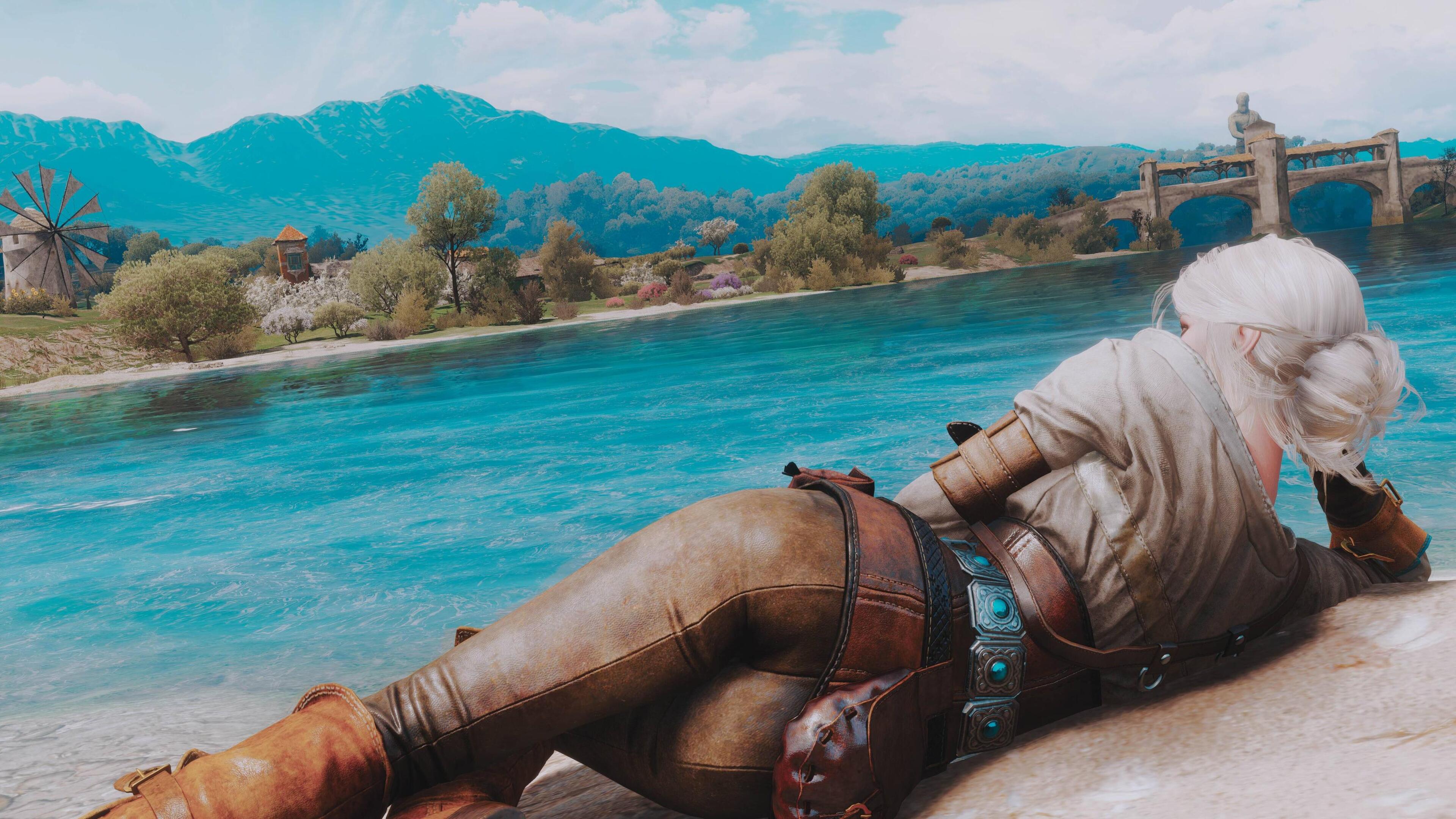
Here’s the beautiful thing about The Witcher 3’s monetization – there isn’t any bullshit. None. Zero. Zilch. No microtransactions, no loot boxes, no “premium currency,” no battle passes. You buy the game, you get the game. The Complete Edition (which goes on sale for like $10-15 regularly) includes both expansions: Hearts of Stone and Blood and Wine.
I grabbed the Complete Edition for $12 during a sale, which is honestly theft considering how much content you’re getting. The base game alone is 50+ hours, Hearts of Stone adds another 10-15, and Blood and Wine is basically a whole new game at 20-30 hours. That’s 80-100 hours of content minimum for twelve bucks. For comparison, I’ve spent way more on “free-to-play” mobile games that give you maybe 10 hours of actual gameplay before hitting you with the paywall.
The DLC is actual substantial content too. Blood and Wine adds an entire new region (Toussaint) that’s roughly the size of Velen – the biggest area in the base game. It’s got its own storyline about hunting a monster terrorizing a wine country paradise, new armor sets, mutations system, and even gives Geralt a house you can customize. Hearts of Stone is smaller but has some of the best writing in the game, with Gaunter O’Dimm being one of the creepiest villains I’ve encountered in any RPG.
Would I recommend spending money on this? Absolutely, but ONLY if you’re cool with investing serious time. If you’re someone who bounces between games constantly or needs instant gratification, maybe skip it. This is a slow-burn, story-heavy RPG that demands attention and patience.

Quick Comparison
vs Skyrim: Both are massive open-world RPGs, but Witcher 3 has way better writing and a defined protagonist with actual personality. Skyrim gives you more freedom to build your character however you want, but Geralt’s established character and relationships make the story hit harder. Combat in Witcher 3 is more deliberate and tactical, while Skyrim’s is simpler but more approachable. If you want “be anyone, do anything,” go Skyrim. If you want “experience a great story with meaningful choices,” Witcher 3 wins.
vs Dragon Age Inquisition: Released around the same time, both are fantasy RPGs with party-based combat and political intrigue. Witcher 3’s world feels more alive and less “theme park” than Inquisition. DA:I has better companion banter and party dynamics, but Witcher’s side quests are leagues ahead – even random monster contracts have interesting stories. Inquisition’s open areas feel emptier, while every question mark on Witcher 3’s map usually has something worth finding. Also, no MMO-style fetch quests in Witcher, thank god.
Should You Play It?
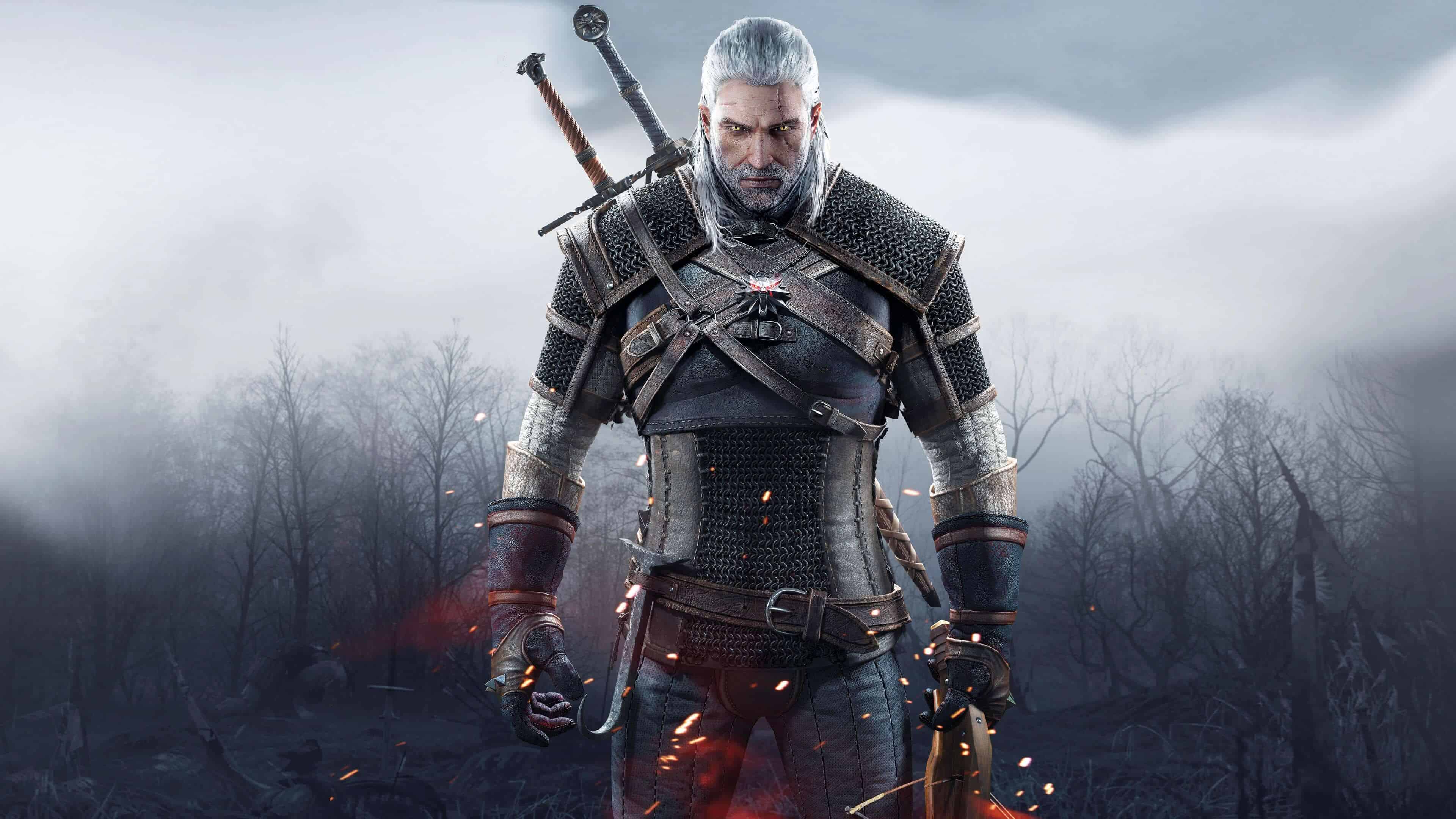
If you can grab the Complete Edition on sale (which happens constantly), absolutely yes. This is one of the best RPGs ever made, full stop. The story, world-building, and quest design are top-tier. You’re getting 80-100 hours of content for less than the price of a pizza.
BUT – and this is important – skip it if you:
– Don’t like reading dialogue/subtitles (there’s a LOT of talking)
– Need fast-paced action (combat is methodical, not hack-and-slash)
– Bounce between games constantly (you WILL forget what’s happening if you take long breaks)
– Only have 30-minute gaming sessions (quests can take 1-2 hours easily)
The game respects your intelligence but demands your time and attention. It’s not a podcast game or something you can half-pay-attention to. When I tried playing while watching YouTube, I’d miss crucial dialogue and then be confused about quest objectives.
Also, fair warning: the first few hours in White Orchard (tutorial area) are kinda slow. Push through to Velen and that’s when the game really opens up. I almost quit during the tutorial because I wasn’t feeling it, but I’m so glad I stuck with it.
Performance-wise, even mid-range PCs can run this beautifully now. My RTX 4060 setup is overkill honestly – you could probably get 60fps on High settings with a GTX 1660 or RX 580. Loading times are fast on an SSD (like 5-10 seconds), but if you’re on an HDD, expect 30-40 second loads when fast traveling.
The one thing that hasn’t aged well is the movement. Geralt controls like a boat sometimes, especially in tight indoor spaces. There’s an “alternative movement” option in settings that helps, but it’s still not as tight as modern games. You get used to it, but expect to accidentally roll off cliffs or bump into furniture a lot.
Stuff People Keep Asking
Is the combat actually good or is it just button mashing?
Early on it feels button-mashy, but once you hit level 10-15 and unlock more skills, it becomes way more tactical. I’m running a Signs build (magic-focused) with Quen shield and Igni fire, and fights require positioning, dodging, and knowing when to cast. Against groups, I’ll throw down Yrden trap, use Igni to panic enemies, then pick them off with quick attacks. Boss fights like the Griffin or Leshen absolutely punish button mashing – you need to observe patterns and prepare properly.
How important is playing the previous games?
Not at all, honestly. The game does a decent job catching you up through dialogue and the character glossary. I never touched Witcher 1 or 2 and followed the story fine. There are references and returning characters that probably hit harder if you played the previous games, but it’s not required. The opening lets you simulate choices from Witcher 2 through a conversation, which is neat.
Do I need to use a controller or is keyboard/mouse fine?
I’m using keyboard and mouse and it’s perfectly fine. Some people swear by controller for the combat, but I found KB/M more precise for targeting and using Signs. The menu navigation is clearly designed for controller though – lots of tabbing through nested menus. I’d say try both and see what feels better for you.
Should I do side quests or just rush the main story?
Do the side quests, especially the Witcher Contracts and character-specific quests (anything involving Triss, Yennefer, Keira, etc.). Some side quests directly impact the main story ending – like the “Reasons of State” quest affects the entire political landscape. Plus the side content is where some of the best writing is. That said, you can safely ignore the random “?” markers on the map if you’re not a completionist – a lot of them are just bandit camps or smuggler caches with loot.
Is Gwent actually worth learning or can I skip it?
You can totally skip it and beat the game fine. BUT Gwent is genuinely fun once you understand it – it’s like a simplified Hearthstone. I ignored it for the first 20 hours, then got sucked in and spent an entire weekend hunting down rare cards. There’s a whole questline (“Collect ‘Em All”) dedicated to finding every card. If you like card games, give it a shot. If not, no big deal – it’s entirely optional and doesn’t affect the main story.
—
Bottom line: The Witcher 3 is a masterpiece that’s aged remarkably well. At current sale prices (often $10-15 for Complete Edition), it’s an absolute steal. Just make sure you’ve got the time to commit to it – this isn’t a weekend game, it’s a month-long journey. The lack of any predatory monetization is refreshing in 2024 when every other game wants to sell you a season pass or cosmetic bundles. CD Projekt Red made a complete game, sold it for a fair price, and released two excellent expansions with actual content. Wild concept, I know.
My RTX 4060 runs it like butter, but honestly, even a potato PC from 5 years ago can handle this at decent settings. If you’ve been sleeping on this like I was, grab it next sale. You’ll understand why people still talk about it almost a decade later. Just remember to turn off HairWorks unless you want your GPU to sound like a jet engine, and enable the alternative movement in settings. You’re welcome.
About the Author