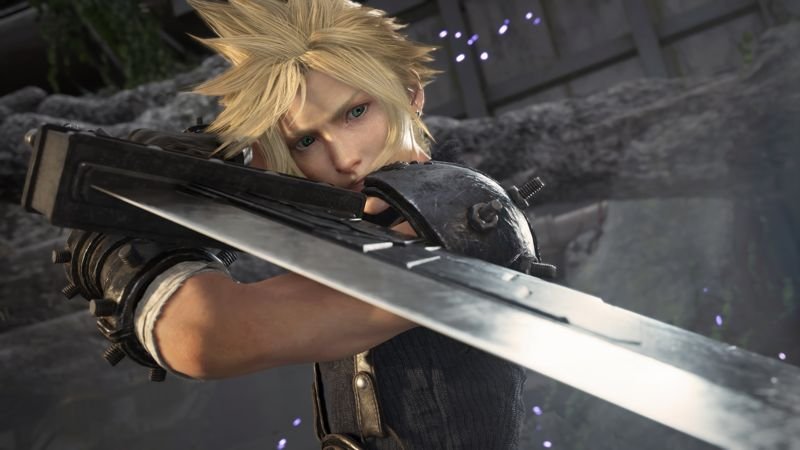
Alright, so I finally dove into Final Fantasy VII Rebirth on PC after waiting almost a year since the PS5 launch, and man, I’ve got some conflicting feelings about this one. After sinking about 25-30 hours into this beast (yeah, I’m a casual player who squeezes in sessions when I can), I’m running it on my RTX 4060 with an i7-12700 and 16GB RAM, mostly on High settings at 1080p with DLSS on Quality mode. First thing that hit me? This game is MASSIVE – we’re talking 140GB install size, which had me clearing out half my SSD. But the real question isn’t about hard drive space, it’s whether Square Enix’s vision of “more is more” actually makes this a better game than the first Remake.
The Good Stuff
The Combat System Actually Slaps Now
Look, I loved FF7 Remake’s combat, but Rebirth takes it to another level with these Synergy Abilities. Basically, you can now pair up characters for combo moves that feel absolutely devastating. My favorite discovery around hour 12 was pairing Tifa and Aerith for “Spell Surge” – Tifa launches enemies into the air while Aerith nukes them with magic. It’s not just flashy; it’s tactically important because these moves build your ATB gauge faster than normal attacks. The game finally solved that annoying problem where you’d just be waiting around for ATB to fill.
What really clicked for me was during Chapter 9 in the Gongaga region. There’s this boss fight against a giant mech at the ruined reactor, and I was getting absolutely destroyed on Normal difficulty. Then I realized I could use Cloud and Barret’s Synergy move to stagger it faster, then switch to Tifa to pile on damage during the stagger window. When you figure out these combinations yourself instead of the game spelling it out, it feels genuinely rewarding. Frame rate held steady at 60fps during most fights on my setup, though I did notice occasional dips to mid-50s when particle effects went crazy.
The Open World Isn’t Just Busywork (Mostly)
I’m usually the first person to complain about open-world bloat – you know, the Ubisoft-style map covered in 500 icons that all feel the same. Rebirth surprised me because most of the side content actually has context. Those Remnawave Towers that Chadley has you activate? They’re not just “climb tower, reveal map” nonsense. Each region has unique environmental puzzles tied to the towers. In the Grasslands, I had to use my Chocobo to jump across platforms, while in Cosmo Canyon, it was all about navigating through caverns.
The World Intel system is basically the game’s way of structuring exploration, and here’s the thing – it works because it tells micro-stories. Those Lifesprings you scan for “Expedition Intel” aren’t just collectibles; they give you lore about each region that actually made me care about the world. When I unlocked the Grasslands Fiend boss (a giant cactuar that wrecked me the first time), it felt earned, not random. Plus, the Divine Intel questlines that unlock summons like Titan and Kujata have actual narrative stakes.
The Relationship System Hits Different
Okay, this one’s going to sound weird, but the relationship mechanics in this game actually matter. It’s not just dating sim stuff tacked on – your bond levels with party members unlock unique scenes and even change dialogue during main story beats. I naturally gravitated toward Tifa and Barret since I used them in combat most, and by Chapter 8 at the Gold Saucer, I got this exclusive Ferris wheel scene with Tifa that was genuinely touching.
What makes it work is that bonding isn’t some separate minigame grind. You build relationships by fighting together, doing side quests with specific characters, and making dialogue choices. During Chapter 5 in Junon, there’s a parade sequence where you march with different party members, and who you pick actually affects the cutscenes later. It’s the kind of RPG choice-and-consequence that feels meaningful without being heavy-handed about it.
Where It Falls Short
The Pacing is Absolutely Busted
Here’s my biggest gripe: this game doesn’t know when to let you breathe. Chapter 8 is the perfect example – you arrive at Gold Saucer, which should be this fun break from the main plot, right? Instead, the game throws a murder mystery at you, forces you into a Chocobo racing tournament, then dumps you in Corel Prison where you have to do MORE Chocobo racing, THEN you get the emotional Barret vs Dyne boss fight. It’s exhausting. By the time I got through that chapter (took me three play sessions), I was burned out.
The side content makes this worse. I spent probably 8 hours in the Grasslands alone doing every World Intel activity, and while some of it was fun, there’s just TOO MUCH. Those Protorelics side quests with Beck’s Badasses? Cool concept, terrible execution – you’re doing the same “defeat enemies in X time limit” challenges over and over. By the time I hit the Corel region, I started skipping optional content because I wanted to see the actual story progress.
Also, I encountered a weird bug around Chapter 6 where the game would hitch for 2-3 seconds when opening the menu during exploration. Not in combat, just in the open world. I fixed it by capping my frame rate to 60fps instead of letting it run uncapped, but it was annoying for a solid 5-hour chunk of gameplay before I figured that out.
The Narrative Gets Too Clever For Its Own Good
Without spoiling anything major, this game goes HARD on the multiverse/timeline stuff that Remake introduced. If you thought Remake’s ending with the Whispers was confusing, Rebirth doubles down. There are moments – especially in Chapter 13 and 14 at the Forgotten Capital – where I genuinely had no idea what was happening. The game expects you to remember Crisis Core, Advent Children, and the original FF7, and if you don’t, good luck following the plot.
There’s a specific sequence in Chapter 14 where Cloud is experiencing multiple realities simultaneously, and the visual presentation is so chaotic that I missed important story beats the first time through. I had to watch a cutscene breakdown on YouTube later to understand what actually happened. That’s not good storytelling – that’s the game being obtuse for the sake of “depth.”

How The Game Actually Works
At its core, Rebirth is an action-RPG with a party system where you’re constantly switching between characters in real-time combat. You’ve got your basic attacks that build ATB (Active Time Battle) gauge, and once that fills, you can unleash abilities, spells, or items. The trick is exploiting enemy weaknesses to “pressure” them, then following up with heavy damage to “stagger” them for massive damage windows. Between combat, you’re exploring semi-open regions, doing side activities for XP and gear, and occasionally playing minigames like Queen’s Blood (a card game that’s honestly more addictive than it has any right to be – I spent 4 hours just playing cards in Chapter 7).
The game is structured into 14 chapters, but unlike Remake, you can revisit regions and finish side content after completing the story. There’s a post-game that opens up more challenges, including the brutal “Gilgamesh Island” fights that I haven’t even attempted yet because I value my sanity.
The Money Situation
Here’s the straight talk: Final Fantasy VII Rebirth is a $70 premium game with no microtransactions, no battle pass, no gacha, none of that nonsense. This is old-school AAA pricing, and honestly? I respect it. What you pay is what you get – a complete, massive RPG with hundreds of hours of content.
That said, there are multiple editions. The base $70 version is perfectly fine and gives you the full experience. The Deluxe Edition ($90) adds some bonus accessories like the Magic Pot summon materia and the Reclaimant Choker accessory, but these are convenience items, not game-changers. I played the standard edition and never felt like I was missing out. There are also pre-order bonuses that were cosmetic items, but if you’re buying now in 2025, those don’t apply.
Is it worth $70? That depends on your tolerance for open-world bloat. If you just mainline the story and skip most side content, you’re looking at 40-50 hours, which is solid value. If you’re a completionist, this game can easily stretch to 100+ hours. For me, as someone who plays casually and doesn’t have time to 100% games anymore, I’d say wait for a sale unless you’re a hardcore FF7 fan. I got it for $55 during a Steam sale, and at that price, I’m satisfied. Full $70? That’s a tough sell when I know I’m not going to finish everything.

Who Should Play This
If you loved FF7 Remake and want more of that world, Rebirth delivers – just be prepared for a LOT more. If you’re into action-RPGs with deep combat systems and don’t mind some pacing issues, you’ll have a blast with the Synergy mechanics and boss fights. If you’re a completionist who loves checking off every box on a map, this game was made for you (for better or worse).
BUT, if you bounced off Remake, don’t bother with Rebirth. It’s bigger and more complex, not simpler. If you hate open-world games with tons of side activities, you’ll be frustrated constantly. If you’re not invested in FF7’s story and lore, the narrative will lose you completely. And if you’re on a budget or have limited gaming time, there are tighter, more focused RPGs out there that respect your schedule more.
One more thing: the PC port is solid but not perfect. On my RTX 4060, I get steady 60fps on High settings with DLSS, but I’ve seen reports of people with older GPUs struggling. Loading times are decent – about 5-8 seconds between regions on my SSD. If you’re on the edge spec-wise, maybe wait for more optimization patches.
Quick Answers
Can I play this without finishing Remake first?
No, absolutely not. Rebirth picks up literally where Remake ended, and you’ll be completely lost without that context. Even the opening flashback in Chapter 1 assumes you know who Sephiroth is and why Cloud’s memories are unreliable. Do yourself a favor and play Remake first, or at minimum watch a story recap on YouTube.
How’s the difficulty – should I start on Normal or Easy?
Normal is pretty balanced if you’re comfortable with action RPGs, but don’t sleep on Easy if you’re here for the story. I started on Normal and got my ass kicked during the Chapter 4 Midgardsormr boss until I learned to use Synergy moves properly. The good news is you can change difficulty anytime in the settings, so if a boss is walling you, just drop it down for that fight.
Is Queen’s Blood actually worth playing or can I skip it?
Okay, real talk – I thought I’d skip it entirely, but Queen’s Blood is legitimately fun. It’s a lane-based card game where positioning matters as much as card power. There’s a whole side storyline with the “Shadowblood Queen” that spans the entire game, and some of the rewards are actually useful accessories. I’d say give it a shot in Chapter 2 when it’s introduced; if you don’t vibe with it after a few matches, then skip it.
How does the relationship system work – do I need a guide to max everyone out?
You can’t max everyone in one playthrough, so don’t stress about it. Just play with the characters you like in combat and do their specific side quests when they pop up. I focused on Tifa and Barret naturally and got their best scenes without following a guide. If you’re a completionist, yeah, you’ll need multiple playthroughs, but honestly? Just pick your favorites and roll with it.
What’s the deal with the ending – is it as confusing as people say?
Without spoilers: yes, it’s confusing as hell. The game goes full multiverse theory in the final chapters, and even as someone who played the original FF7, I had to pause and think about what was happening. Chapter 14 at the Forgotten Capital has some reality-bending sequences that are visually stunning but narratively messy. On my RTX 4060, those sequences ran fine at 60fps, but I was more worried about understanding the plot than the performance.
Should I do all the World Intel stuff or just focus on the main story?
Depends on your time and patience. The Divine Intel quests that unlock summons are worth doing – Titan and Kujata are genuinely useful in combat. The Lifesprings that give lore are cool if you care about worldbuilding. But those Fiend Intel boss fights and endless combat challenges? Skip them unless you’re really into min-maxing your party. I did about 60% of the World Intel in each region and felt like that was a good balance between exploration and not burning out.
—
Final Verdict: Final Fantasy VII Rebirth is an ambitious, bloated, beautiful mess of a game. When it’s firing on all cylinders – boss fights, character moments, exploration that feels purposeful – it’s incredible. But it needed an editor to trim about 20 hours of filler. At $70, I’d wait for a sale. At $40-50? If you loved Remake, it’s an easy recommendation despite the flaws. Just pace yourself, don’t try to 100% it, and you’ll have a much better time than I did trying to see everything.
About the Author