Finding a pulse in a flatlining industry
If you’ve been doom-scrolling through your gaming news feeds over the last couple of years, you know the vibe. It hasn’t exactly been a party—it’s felt more like an endless wake. We’ve watched industry giants stumble, beloved studios shutter left and right, and talented devs lose their livelihoods. It’s bleak. But then, every once in a while, you stumble across a story that actually makes you want to high-five someone. According to a fresh report from Gamebrott.com, Embark Studios isn’t just surviving this brutal industry winter; they are actively thriving in it.
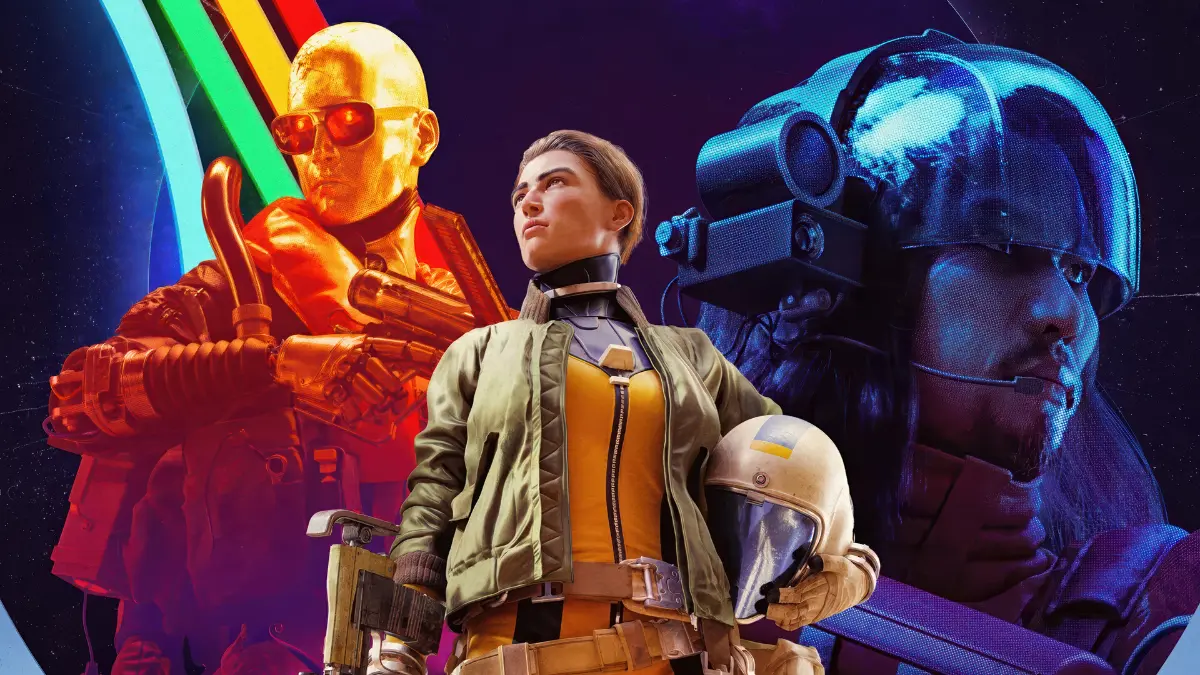
Picture this: It’s February 2026. While we’re still seeing depressing headlines about massive restructuring at major publishers like Ubisoft, Embark is out here casually dropping the news that they have two—yes, two—new games in the pipeline. This confidence comes hot on the heels of the undeniable success of ARC Raiders, their extraction shooter that somehow managed to stick the landing in a genre where so many others have face-planted.
Patrick Söderlund, the CEO of Embark and a guy who knows a thing or two about shooter heritage from his DICE days, recently sat down with IGN to spill the beans. The takeaway? They are profitable, they are hiring, and they are doubling down. In an era where corporate “sustainability” usually translates to “firing 20% of the staff,” hearing Söderlund talk about using profits to secure competitive salaries and bonuses feels like a transmission from a better timeline. It’s the kind of stability that breeds creativity, and honestly? We love to see it.
Why the $40 price tag is the industry’s new secret weapon
Let’s talk money for a second, because the economics at play here are genuinely fascinating. There was a rumor floating around the internet for ages that the budget for ARC Raiders was hovering around the $75 million mark. Now, in the inflated world of AAA gaming, where budgets have ballooned into the hundreds of millions (looking at you, Spider-Man 2), $75 million is surprisingly modest for a game boasting this level of visual fidelity.
Söderlund didn’t give us the exact receipts, but he admitted that the $75 million figure was “not far off.” This discipline in spending is probably the main reason they aren’t hitting the panic button right now. But the real genius move wasn’t just the development budget; it was the price tag on the box. Launching at $40 was a deliberate, calculated choice, one that the team openly admits was inspired by the massive breakout success of Helldivers 2 back in 2024.
“We looked at the market reception to premium-but-fair pricing models. If you respect the player’s wallet, they respect your time. It’s a transaction of trust, not just currency.”
— Patrick Söderlund, via IGN
This strategy of “AA pricing for AAA quality” is slowly but surely shifting the industry meta. A 2024 report by Newzoo highlighted a crucial trend: while overall gaming revenue growth was slowing down, mid-priced titles saw a massive surge in engagement. It suggests players are exhausted by the $70 standard for games that launch in a broken state. Embark bet on that fatigue, and it paid off beautifully. They didn’t need to sell ten million copies in week one to break even; they just needed a healthy, dedicated community. And they got it.
Teasing the future: Two mysterious projects on the horizon
So, the big news: two new projects. Söderlund confirmed that thanks to the steady revenue stream flowing in from both The Finals and ARC Raiders, the studio has officially greenlit two additional titles. He was tight-lipped on the details—obviously, it’s early days—but he did mention he hopes they will be finished “someday.” A bit vague, sure, but given their track record, we can do some educated guessing here.
Remember, Embark is built on the DNA of Battlefield veterans. These are people who understand physics, destruction, and teamplay better than almost anyone in the business. The Finals proved they could do high-octane competitive destruction, and ARC Raiders proved they could handle tension and atmosphere in a PvE extraction setting. It wouldn’t be shocking if one of these new titles leaned into a narrative-heavy experience, or perhaps a vehicle-focused combat game, revisiting the combined-arms warfare they excelled at in their past lives.
However, don’t expect to be playing these games tomorrow. The studio seems genuinely committed to avoiding the crunch culture that plagues the industry. Söderlund emphasized that the financial safety net they’ve built allows them to take their time. In a world of rushed deadlines and “fix it in post” mentalities, patience is the ultimate luxury.
What’s next for ARC Raiders? (Hint: It’s big)
While we dream about the new stuff, the current flagship isn’t being neglected. Since its release, ARC Raiders has maintained a surprisingly consistent cadence of updates. The “North Line” update last November was a pivotal moment for the game. It introduced the Stella Montis map via a community unlock event. The developers estimated it would take a while for players to crack it; instead, the community devoured the challenge way faster than anticipated.
This is a good problem to have, right? It shows retention. And looking ahead at the 2026 roadmap, things are getting big—literally. Embark has teased the arrival of giant-sized enemies later this year. We’re talking Shadow of the Colossus vibes but with laser weaponry and squad tactics.
There is also chatter about a significant PvE overhaul. While the game is already PvE-focused (with those tense PvPvE elements), the team seems keen on deepening the lore and the cooperative mechanics. It’s a smart pivot. According to Statista, the cooperative shooter market has seen a steady 15% year-over-year increase in player retention compared to pure PvP titles, largely because friends who play together, stay together.
How financial stability actually changes the game you play
Why should you care about a studio’s financials? It sounds boring, but it directly impacts the game you’re playing every night. When a studio is living paycheck to paycheck, or terrified of their publisher overlords, they make safe, boring decisions. They monetize aggressively. They cut content just to sell it back to you as DLC. They introduce pay-to-win mechanics out of sheer desperation.
Embark’s position—safe, profitable, and expanding—means they can afford to take risks. They can afford to give out free content updates to keep goodwill high. Söderlund mentioned that the sustainable profits allow them to pay competitive salaries and ensure their team feels appreciated. Happy developers make better games. It’s not rocket science, but it’s surprisingly rare.
Is ARC Raiders coming to Xbox Game Pass?
There hasn’t been an official announcement regarding Game Pass for 2026 yet. Embark seems pretty comfortable with their buy-to-play model for now, especially given how well the $40 price point is performing.
What engine does Embark use?
They utilize Unreal Engine 5, but it’s heavily modified with their own proprietary tech for destruction and photogrammetry, which is exactly what gives their games that distinct, hyper-realistic look.
Is this the blueprint we’ve been waiting for?
We are watching a case study unfold in real-time. Embark Studios is proving that you don’t need a 500-person team and a half-billion-dollar budget to dominate the conversation. You need a distinct art style, a solid gameplay loop, and a business model that doesn’t treat your players like ATMs.
As we move deeper into 2026, I’ll be keeping a close eye on those “giant enemies” they promised. But more importantly, I’m watching Embark to see if they can maintain this culture as they scale up for two new projects. Scaling is usually where the cracks start to show. But for now? They seem to have found the anti-gravity formula to rise above the industry’s mess.
This article is sourced from various news outlets. Analysis and presentation represent our editorial perspective.
About the Author