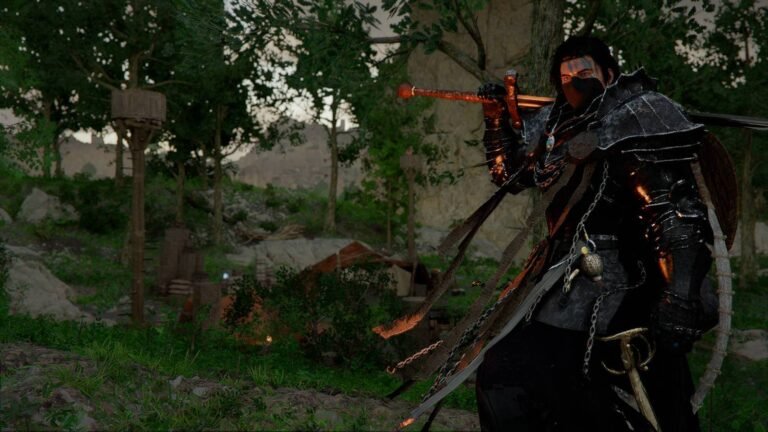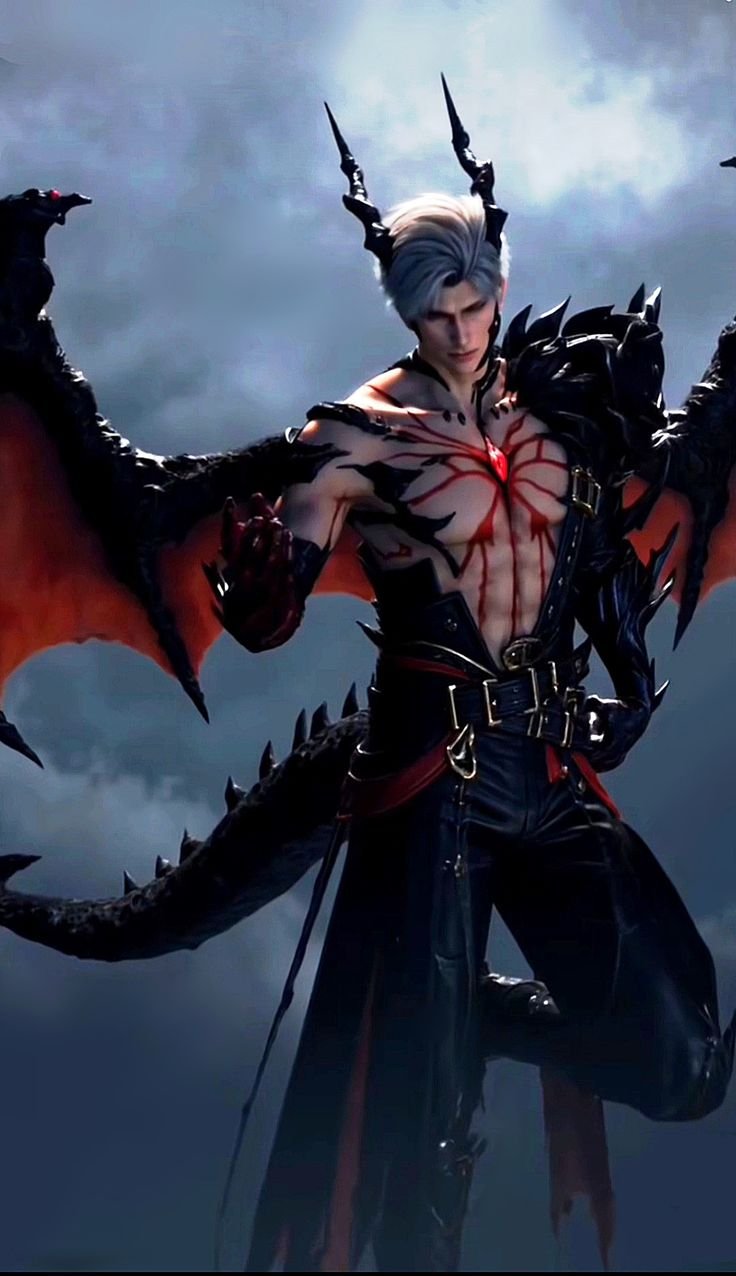
It’s honestly a little surreal to realize we’ve been navigating the cosmic mysteries of the Deepspace universe for over two years now. If you cast your mind back to that shivering January in 2024—when Papergames and InFold Pte. Ltd first unleashed Love and Deepspace upon the world—the entire landscape of mobile otome gaming felt like it shifted overnight. We all started our journeys with the familiar, comforting trio of Xavier, Zayne, and Rafayel, but then came Sylus. And let’s be real: he didn’t just join the roster; he set the entire community on fire. Even now, as we find ourselves in February 2026, the cultural ripples of his “Beyond Cloudfall” Myth continue to set the gold standard for what we, as players, expect from high-stakes digital romance. According to the folks over at Gamebrott.com, Sylus’s narrative arc isn’t just some flashy side story meant to sell limited-time banners; it’s a foundational, deeply resonant piece of lore that finally bridges the gap between the monstrous and the misunderstood.
I still vividly remember the absolute frenzy when the first leaks of his Myth started circulating. We were all completely obsessed with the mystery of the “Naga” and the ancient, crumbling world of Philos. But it wasn’t just about a handsome guy with piercing garnet eyes—though, okay, that definitely didn’t hurt. It was about the way the game subverted the tired “monster” trope. In the broader world of Love and Deepspace, Sylus represents a darker, far more visceral side of affection that the initial cast didn’t quite lean into. He wasn’t the sweet childhood friend or the stoic, dependable doctor; he was, quite literally, the end of the world. And honestly? There is something incredibly magnetic about a man who is prophesied to destroy everything in his path but chooses, against all logic, to pull you into his orbit instead. It’s that tension between destruction and devotion that keeps us coming back for more.
The runaway success of this character wasn’t just some lucky fluke of decent writing, either. If we look at the numbers, a 2024 Sensor Tower report revealed that Love and Deepspace blew past $100 million in global consumer spending within just its first few months on the market. That massive growth was largely fueled by the high engagement levels surrounding these “Myth” events. When you actually sit down and look at the production value—the 3D rendering that legitimately rivals some PS5 titles and the layers of intricate voice acting—it becomes clear that InFold wasn’t just “making a game.” They were building an obsession. Sylus was essentially the pinnacle of that high-budget strategy, proving that if you give players a story with real meat on its bones, they will show up in droves.
More Than a Monster: The Blood-Soaked Tragedy of Ancient Philos
The “Beyond Cloudfall” narrative takes us back thousands of years into the past, long before humans became the dominant force on Planet Philos. In those days, Dragons—or Nagas, as they’re known in the lore—were the undisputed apex predators of the world. But these weren’t just your standard “big lizards” from a fantasy novel; they were cosmic horrors capable of feeding on human souls, literally drawing out the darkest, most hidden parts of a person’s heart. This is where we meet our MC, a Sorceress who is essentially being served up as a human snack to appease the heavens. It’s a classic, almost archetypal setup, but the execution is where the game really gets its hooks into you.
When the MC falls into that deep, dark ravine, she doesn’t find some mindless, ravenous beast waiting to devour her. Instead, she finds “The Fiend”—a creature chained, broken, and impaled by a massive, glowing sword. The imagery here is admittedly a bit heavy-handed, but it’s undeniably effective: it’s pure power restrained by unimaginable pain. When she makes the choice to pull that sword out, she isn’t just “saving” him in the traditional sense; she’s entering into a literal blood pact. It’s the “forced proximity” trope taken to its absolute mythological extreme. The second Sylus transforms from a horned beast into a man surrounded by that signature blood-red mist, the power dynamic shifts entirely. It stops being a story about predator and prey and becomes something much more intimate, much more dangerous, and infinitely more complicated.
And can we talk about those garnet eyes for a second? In the game’s meta-design, Sylus’s look was a total masterclass in visual storytelling. He looks like he walked straight out of a high-budget action RPG, yet his interactions are focused almost entirely on the emotional tether he shares with the player. It’s that constant contrast—the sharp claws and the “Phantom Greatsword” versus those quiet, vulnerable moments shared in the cave—that makes “Beyond Cloudfall” such a standout piece of content. It asks the question: who is the real monster? The creature in the cave, or the world that put him there?
“The Dragon doesn’t just want your soul; he wants you to choose to give it to him. That is the ultimate form of surrender in the Deepspace universe.”
— Editorial Analysis, February 2026
When Heroes Fall: Subverting the Legion of Justitia
One of the things I personally love most about this specific Myth is how it handles the “Legion of Justitia.” In most fantasy settings, the “Holy Judges” are clearly the good guys, right? But in Sylus’s world, they are every bit as manipulative and cruel as the monsters they claim to hunt. When the MC finally sees the “Battle of Tarus” statue for what it really is, she has a chilling realization: history is always written by the victors. And the victors in Ivory City? They aren’t exactly saints. This realization is what ultimately fuels the MC’s desire for revenge, aligning her with Sylus in a way that feels completely earned rather than forced by the plot.
What’s even more fascinating is how transparent Sylus is with her. He doesn’t hide his nature. He literally hands her “Fiendbane,” the only weapon on the planet capable of killing him, and tells her, “Go ahead, stab me three times in the heart if you want to be free.” It is a total, absolute power move. He knows she won’t do it—not because she’s weak or scared, but because their souls have already begun to intertwine in a way that can’t be undone. This is the “soul-bonding” mechanic that Love and Deepspace executes so flawlessly, making the player feel like they are the only person in the entire universe who truly “sees” the real Sylus behind the mask of the Fiend.
But why does any of this matter for the broader gaming industry? Well, a 2025 Statista report on the mobile gaming market highlighted that “narrative-driven female-oriented games” saw a massive 22% year-over-year growth in player retention compared to traditional puzzle games. It turns out players aren’t just looking for a quick time-killer anymore; they want complex, morally gray narratives they can really chew on. Sylus provides exactly that. He isn’t some “fix-it” project for the player to heal; he’s a partner in crime, a mirror to the player’s own darker impulses.
A Name Lost to Time: The Heartbreaking Evolution of Stayrus
There’s also this beautiful, subtle bit of linguistic lore hidden within the story that I think a lot of casual players might overlook. In the ancient Philosian tongue, his name wasn’t Sylus—it was “Stayrus.” Over the long centuries, as the world changed and the original myths faded into obscurity, the name was eventually shortened. This tiny detail adds such a heavy layer of “immortal weariness” to his character. He’s a man who has quite literally outlived his own name, waiting in the darkness for someone to finally call him something other than a “monster” or a “fiend.”
The time the two of them spend together in Tarus City is where we finally get to see the “human” side of the Dragon. The MC teaching him about the small things—appreciation, humanity, the beauty in the mundane—isn’t just filler content; it’s the very core of his character arc. It makes his eventual appearance in the main 2024 timeline feel so much more poignant. When you finally meet him in the “present day,” you aren’t just meeting a new love interest or a mysterious stranger; you’re meeting a survivor of a forgotten era who has been waiting for you, and only you, for a thousand years. It’s romantic, sure, but it’s also deeply tragic.
I’ve definitely seen some players online complaining that Sylus is “too edgy,” but I think that completely misses the point of his character. In a genre that is often filled to the brim with “perfect” boyfriends who never do anything wrong, Sylus is a necessary reminder that love can be messy, destructive, and even a little bit terrifying. He doesn’t fit into the neat, tidy boxes of Xavier’s unwavering loyalty or Zayne’s icy professionalism. He’s a total wildcard, and that’s exactly why, even two years after his debut, he’s still the one we’re all talking about in the forums.
Is Sylus actually a villain in the main story?
It’s complicated! While he certainly starts out as a primary antagonist in the main plot, the “Beyond Cloudfall” Myth clarifies that his motives are deeply tied to his tragic past as the last Dragon of Philos. He operates on a completely different moral compass than the other guys, but his devotion to the MC is absolute. He’s more of an anti-hero who is willing to burn the world down if it means keeping you safe.
Can I play Love and Deepspace on PC?
Technically, it’s still primarily a mobile title for iOS and Android. However, a lot of dedicated players use official emulators or the Mac version (for those with M-series chips) to really enjoy those high-fidelity 3D graphics on a much larger screen. There have been persistent rumors about a native PC port being in development, but InFold has kept those plans very close to the chest for now.
What makes “Beyond Cloudfall” different from other Myths?
Unlike some of the more “fairytale” or “dreamlike” Myths we’ve seen for the other characters, Beyond Cloudfall leans much more heavily into dark fantasy and themes of revenge. It’s gritty, it’s emotional, and it provides arguably the most concrete backstory we have on the actual world-building of Philos itself. If you want to understand the “why” behind the game’s setting, this is the Myth to play.
The End of the World is Just the Beginning: Sylus’s Lasting Legacy
As we look forward to the next major updates for Love and Deepspace scheduled for late 2026, it’s clear that Sylus has set an incredibly high bar for any future characters. The way Papergames managed to integrate his lore into the very fabric of the world’s history makes him more than just another seasonal heartthrob. He has become a pillar of the entire franchise. Whether you’re a fan of the “roguelike” combat challenges or you’re just here for the “Memories” and those spicy “Kindled” moments, the impact of the Beyond Cloudfall Myth is basically inescapable at this point.
The game has evolved significantly since that first year. We’ve seen balance changes to certain cards, shifts in the combat meta, and entirely new gameplay modes that keep the daily grind feeling fresh. But at the end of the day, the beating heart of the game remains its storytelling. Sylus proved beyond a shadow of a doubt that players are hungry for depth. They want characters who have lived, suffered, and evolved over eons. They want a love that feels like it could survive the literal end of the world—because in Sylus’s case, it already has.
So, if you’re a brand-new player just jumping in for the first time, or a veteran coming back for a bit of a nostalgia trip, do yourself a favor and dive deep into the Sylus lore. It’s not just a story about a dragon and a sorceress; it’s a masterclass in how to build a character that stays with you long after you’ve closed the app and put your phone away. And who knows? You might just find that a little bit of “garnet-eyed” danger is exactly what your gaming library was missing all along.
This article is sourced from various news outlets and community reports. The analysis and presentation represent our editorial perspective on the game’s evolving narrative.
About the Author