If you’ve spent any time lately trying to piece together a new PC or even just hunt down a GPU that doesn’t cost as much as a used sedan, you already know the vibes are, frankly, absolutely rancid. We’re currently white-knuckling our way through what some industry watchers have dubbed “RAMnarök”—a full-scale meltdown of the global memory supply chain that has effectively turned a standard 16GB kit into a high-end luxury item. According to the latest reports from the Rock Paper Shotgun feed, this isn’t just some temporary hiccup in the matrix or a brief shipping delay; it’s the direct, messy consequence of the AI gold rush. While the silicon giants are busy erecting massive data centers to feed the insatiable hunger of the next generation of Large Language Models, the rest of us are left digging through the couch cushions for spare change just to afford a basic SSD.
The AI Gold Rush is Costing You Frames
It’s a genuinely weird time to be a gamer, isn’t it? We were promised a golden age of performance and photorealism, but instead, we’re mostly just seeing the “nerfing” of our own bank accounts. The hyper-wealthy tech firms—companies with balance sheets that dwarf the GDP of some small nations—are currently snapping up every single memory chip they can get their hands on. This surge in demand has essentially detonated the pricing structure for everything from top-tier DDR5 modules down to the humble mechanical hard drive. And honestly? It’s just exhausting. We’ve reached a point where a mid-range build feels like it costs exactly what a top-tier, enthusiast-grade rig did only a few short years ago. A Statista report from 2025 found that the average price of consumer-grade DRAM skyrocketed by nearly 42% in a single calendar year, and looking at the empty shelves today in early 2026, things haven’t exactly cooled off yet.
But here’s where the story takes an interesting turn. While the heavy hitters like Razer and Valve are sweating over their shrinking margins and quietly delaying their next hardware refreshes, the “little guys”—the niche manufacturers, the quirky startups, and the retro specialists—are actually doing remarkably well. You’d think they’d be the first casualties, right? Usually, when the pond dries up, the small fish are the first to go. But in this specific crisis, being small is actually proving to be a bit of a superpower. These companies are navigating the supply chain wreckage with a level of agility and creativity that the corporate giants just can’t seem to muster.
The Nostalgia Shield: Why Underpowered is the New Meta
One of the most fascinating survival tactics I’ve seen lately is what I like to call the “Nostalgia Shield.” Take the Commodore 64 Ultimate, for instance. It launched late last year to pretty much universal rave reviews, and it’s a beautiful, incredibly faithful tribute to the 1982 original. Normally, you’d expect a “new” computer launch to be crippled by these shortages, but the Ultimate has a secret weapon hidden in its spec sheet: it’s “underpowered” by design. It runs on 128MB of DDR2 RAM. Think about that for a second. In a world where every AI lab and crypto-miner is brawling over the latest DDR5 modules for their RTX 50-series cards, absolutely nobody is looking for DDR2. It’s essentially invisible to the big players.
Marc Bilodeau, the CTO at the resurrected Commodore, recently pointed out that their choice of older tech meant they weren’t even running in the same race as the big tech firms. They weren’t being trampled in the rush for high-end silicon because they were quite literally shopping in a completely different aisle. It’s a brilliant, if perhaps accidental, bit of strategic positioning. By leaning into the retro aesthetic, they’ve insulated themselves from the insane volatility of the modern market. It’s like bringing a sword to a gunfight, only to find out that all the guns are out of ammo and everyone else is just standing around looking confused.
“Our choice of DDR2 instead of DDR5 really means we haven’t been impacted that much… we have to be very strategic and remain cost effective for our products, from consumers’ perspectives.”
Marc Bilodeau, CTO of Commodore
Then you have something like Panic’s Playdate. That quirky little yellow handheld with the hand-crank is an absolute delight to use, and it’s also a masterclass in hardware minimalism. It runs on a mere 16MB of integrated RAM. To put that in perspective, your Chrome browser probably used more memory than that just to render the “P” in the word “Playdate” on this screen. Because their hardware needs are so microscopic, sourcing parts isn’t the existential nightmare it is for someone trying to manufacture a high-end gaming laptop. They’ve had their fair share of struggles with CPUs in the past, sure, but RAM? It’s barely a blip on their radar. It turns out that when you aren’t trying to push 4K textures at 120fps, the global supply chain is a whole lot friendlier.
The Modular Rebellion and the Power of Being Small
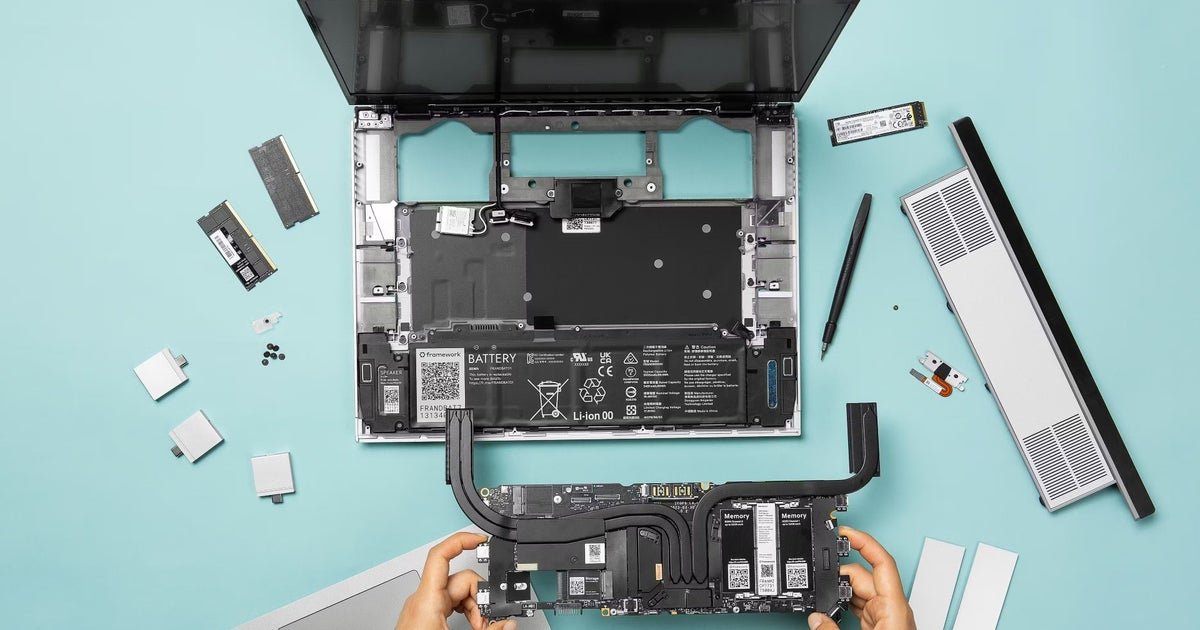
Now, if you actually *do* need the heavy-duty stuff—the kind of high-speed RAM that allows you to play the latest AAA titles without your PC turning into a space heater—you’d think you’re in deep trouble. But even in the high-performance sector, smaller players like Framework are finding ways to flip the script. Framework has been making serious waves with their modular laptops, and their recent Framework Laptop 16 is a genuine beast of a machine. It can handle an Nvidia RTX 5070, which is no small feat in this current climate. But instead of being crushed by the weight of their own supply chain, they’re actually benefiting from what I’d call a “reverse economy of scale.”
Think about the logistics for a second: if you’re a behemoth like HP or Apple, you need millions of chips every single month. You have to sign massive, multi-year contracts that lock you into specific prices and rigid volumes. If the market shifts suddenly, you’re stuck trying to steer a literal oil tanker in a narrow canal. Framework, on the other hand, is more like a nimble jet ski. They only need thousands of parts, not millions. This means they can dive into “spot markets”—the digital equivalent of a local farmer’s market for tech—and buy up small batches of memory that the big players wouldn’t even bother looking at. A chunk of memory that’s a “rounding error” for a company like Lenovo is a full production run for Framework.
And let’s not forget the DIY factor, which is a huge part of their appeal. Framework sells editions of their laptops without RAM or storage pre-installed. In a world where prices are skyrocketing, this is a godsend for the savvy consumer. It gives you the freedom to go out and find your own deals, maybe scavenge some modules from an older machine you have lying around, or wait for a flash sale on eBay. It’s a level of flexibility that we just don’t see from the “sealed box” manufacturers. A 2024 Gartner report highlighted that modularity in consumer electronics could reduce e-waste by 30% by the end of the decade, but right now, it’s also proving to be a vital survival mechanism for the budget-conscious gamer who just wants a fair shake.
Why We’re Tired of Corporate Ghosting
One thing that’s really started to grind my gears throughout this whole ordeal is how the big manufacturers handle bad news. When prices inevitably go up or stock suddenly disappears, companies like Valve or Razer tend to get… well, let’s just say “vague.” We get these polished blog posts about “unforeseen global delays” or price adjustments that are buried deep in investor calls where they think we won’t look. Valve’s recent update on the Steam Machine was a classic example: they admitted it’s going to cost more and it’s delayed, but they won’t say by how much or for how long. It’s like being ghosted by a hardware manufacturer you’ve been loyal to for years.
Contrast that corporate silence with the approach of the Pi Foundation or Framework. When the Raspberry Pi—the gold standard for DIY tinkerers and hobbyists—had to raise prices due to surging memory costs, they were incredibly upfront about it. They didn’t hide behind layers of corporate speak or PR fluff. They basically said, “Look, memory is getting expensive, so the board is going to cost X amount more.” Framework does the exact same thing, with CEO Nirav Patel regularly posting what I call “grim journals” about price hikes on their official blog. And you know what? People actually appreciate that. We’re not stupid; we know the world is on fire. Just tell us the truth so we can plan our builds and our budgets accordingly.
This kind of transparency builds a specific type of brand loyalty that money simply can’t buy. When a company treats you like a peer rather than just a wallet with legs, you’re much more likely to stick with them through the lean times. It feels like a genuine community effort to keep the lights on, rather than a faceless corporation squeezing you for every last cent because they think they can get away with it. I’d much rather buy from a company that explains why the price went up than one that quietly jacks it up 20% overnight and hopes I’m too distracted to notice.
Can We Survive the AI Shadow?
So, where does that leave the rest of us? Honestly, the outlook for the rest of 2026 isn’t exactly all sunshine and rainbows. The AI boom shows no signs of slowing down, and as long as companies like OpenAI and Google are hungry for more compute power, the memory shortage is going to be a persistent thorn in our side. We’re witnessing a fundamental shift in how hardware is prioritized. The “meta” for PC building has changed; it’s no longer just about getting the fastest components available, it’s about being strategic. It’s about deciding if you *really* need that extra 32GB of DDR5 right now, or if you can survive on the previous generation for a while longer while the dust settles.
Will RAM prices ever go back to “normal”?
That depends on your definition of “normal.” While we might see some stabilization as new manufacturing plants finally come online later this year, the demand from the AI sector is a permanent new reality in the market. We likely won’t see the dirt-cheap, “buy-it-on-a-whim” prices of the early 2020s again anytime soon. The floor has effectively been raised.
Should I wait to build a new PC?
If you have the luxury of waiting, you probably should. But if your current rig is literally dying on you, look toward modular options or smaller manufacturers who offer more flexibility. Buying “barebones” kits where you provide your own RAM and storage can save you a significant amount of manufacturer markup.
Are consoles like the PS5 or Xbox Series X affected?
Yes, but in a slightly different way. Sony and Microsoft have massive, long-term supply contracts that shield them from some of the immediate “spot market” volatility. However, it still impacts their ability to produce “Pro” or “Slim” refreshes at those traditional lower price points. The days of the mid-cycle price cut are, for the most part, over.
At the end of the day, the lesson we can learn from the “little guys” is that creativity is our best weapon. Whether it’s finding value in older tech, embracing modularity, or just demanding honesty from the companies we support, there are ways to survive the RAMnarök. It’s not going to be easy, and it’s certainly not going to be cheap, but as long as there are people dedicated to making weird, niche, and repairable hardware, there’s still a place for us in the PC gaming world. Just maybe hold off on that 128GB upgrade for another six months, okay? Your wallet—and your sanity—will thank you.
This article is sourced from various news outlets. Analysis and presentation represent our editorial perspective.
About the Author