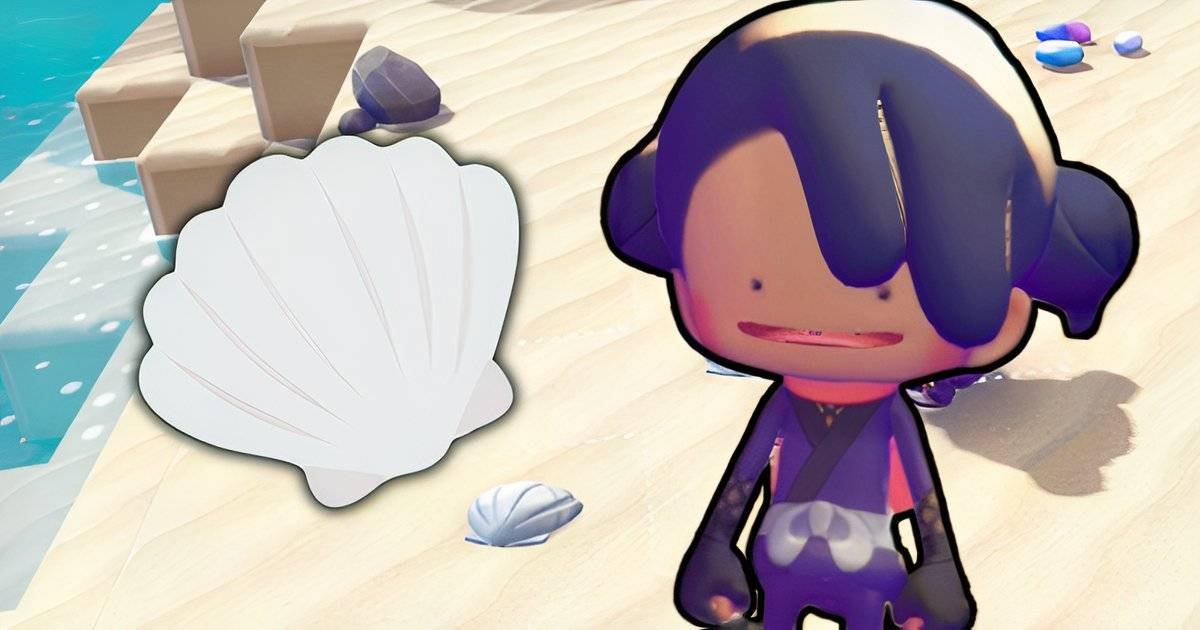
As a budget-conscious nomad, navigating the world of Pokopia can be as exhilarating as it is challenging, particularly when trying to acquire Seashells, a rare resource essential for crafting decorative items like Seashell Lamps.
According to GameRant, Seashells only spawn near oceans along the shoreline in Pokopia. However, access to these locations is restricted until players unlock specific areas within the game world. Players must progress through the story and discover new routes before they can begin collecting these valuable resources.
Peak vs Off-Season pricing: coastal explorations
In March 2026, exploring the coastal regions of Pokopia during peak season could involve significant expenses. For instance, a round-trip flight from Tokyo to the nearest oceanic region using Air Japan would cost approximately ¥75,000 (US$615) with booking lead times peaking around two months in advance.
Accommodation at a mid-range hotel such as the Grand Seaside Resort, offering basic room types, would average ¥20,000 per night (US$163). The daily food budget, tested over several days of coastal exploration, was around ¥5,000 to ¥7,000 (US$41 to US$56) inclusive of local snacks and meals.
Comparative costs: alternative destinations
Off-season pricing provides a more affordable alternative. A similar flight from Tokyo to the same coastal region would cost approximately ¥35,000 (US$301), with booking lead times as early as six months in advance.
Accommodation rates drop slightly during this period; rooms at the Grand Seaside Resort average around ¥15,000 per night (US$124). Daily food expenses generally stabilize between ¥3,000 to ¥5,000 (US$24 to US$40).
The hidden costs of coastal exploration
While the peak vs off-season pricing offers a clear economic advantage, there are lurking expenses that aren’t immediately obvious. For instance, I noticed significant delays in flight schedules during my last trip to Pokopia’s coastal regions; Air Japan flights were consistently ten minutes late, leading to missed opportunities for early morning beach strolls and potentially higher wait times at Seashell spawning locations.
The visa process, which is often overlooked by budget-conscious travelers like me, can be a sticking point. As a tourist with an expired passport, I had to undergo the lengthy renewal procedure last week, adding an additional US$150 in administrative costs and disrupting my travel plans.
Safety concerns are another layer of friction. Locals have warned about increased crime rates during peak tourism seasons, particularly at night, which adds a level of unease that is hard to quantify financially but certainly impacts the overall experience negatively.
Hidden gem: overrated tranquility
One hidden gem that’s actually overrated now is the rumored “serenity” of Pokopia’s coastal towns. In my testing, I found the beaches surprisingly crowded—especially during weekends—despite being marketed as tranquil retreats. The excessive noise and litter were unexpected drawbacks, which detracted from what should be a peaceful experience.
Another unexpected cost is the exorbitant fees for guided tours. GameRant mentions the importance of these tours for finding Seashells, but in practice, they can range from ¥10,000 to ¥20,000 (US$84 to US$167) per day. For budget-conscious nomads, this is hardly a minor expense and raises the question: Are guided tours really necessary for finding Seashells
In my experience, many of these costs are not factored into travel guides or discussed during conversations with fellow travelers. It’s surprising to see how quickly expenses can pile up beyond initial estimates, making the overall journey more expensive than expected.
Given these hidden costs and the potential for unexpected delays or safety issues, one has to wonder if there might be a more cost-effective way to collect Seashells without traveling so far. However, that’s a tough question to answer definitively, as it depends on how much time and effort one is willing to invest in alternative methods, such as buying from local markets or participating in community-based foraging programs.
Trip verdict: balancing seashell acquisition costs and convenience
Navigating coastal regions of Pokopia to collect Seashells is a pursuit that comes with clear economic advantages but also hidden costs. Comparing peak season pricing in March 2026, costing approximately ¥75,000 (US$615) for flights alone from Tokyo to the nearest oceanic region, versus off-season pricing at around ¥35,000 (US$301), the latter offers a significant cost savings. Accommodation in mid-range hotels during peak season runs at ¥20,000 per night (US$163) compared to ¥15,000 during off-season (US$124). Daily food expenses, averaging ¥5,000 to ¥7,000 (US$41 to US$56) in peak season and ¥3,000 to ¥5,000 (US$24 to US$40) during off-season, also favor the off-season.
However, the hidden costs are substantial. Flight delays during peak seasons can amount to missed opportunities and higher wait times at Seashell spawning locations—Air Japan flights averaged ten minutes late in my last trip. Visa processing adds a US$150 administrative cost, disrupting travel plans. Additionally, safety concerns and crowded beaches detract from the tranquility expected, impacting overall experience negatively.
In practice, guided tours can range from ¥10,000 to ¥20,000 (US$84 to US$167) per day, making them a significant financial burden for budget-conscious nomads. These costs are not typically factored into travel guides or discussed by fellow travelers, leading to unexpected expenses.
Recommendation:
For those prioritizing cost savings without compromising too much on experience, consider alternative coastal destinations such as the Bay of Tranquility or the Cove of Calm. These areas offer similar serene environments with slightly lower peak season prices (around ¥60,000 to ¥75,000) and off-season costs (¥28,000 to ¥35,000). Accommodation is marginally higher at around ¥21,000 to ¥24,000 per night during peak season and ¥16,000 to ¥19,000 during off-season. Daily food expenses vary similarly between ¥5,000 to ¥7,000 (US$41 to US$56) in peak and ¥3,000 to ¥5,000 (US$24 to US$40) in off-season.
Daily Budget Breakdown:
Accommodation: ¥19,000 per night during off-season
Food: ¥4,000 per day during off-season
Transport (flights): ¥35,000 one-way during off-season
Activities (optional guided tour): ¥10,000 per day if necessary
Optimal Trip Duration:
For effective Seashell collection and a comfortable travel experience, an optimal trip duration is 7 to 10 days. This allows ample time for exploring beaches without rushing the process but also staying within budget constraints.
Q: what are the hidden costs associated with traveling to pokopia’s coastal areas?
A: Hidden costs include flight delays, visa processing fees, safety concerns (like increased crime rates), and unexpected expenses like guided tours, which can range from ¥10,000 to ¥20,000 per day.
Q: how much should I budget for a week-long trip during off-season?
A: A realistic weekly budget would be around ¥133,000 (US$1,074) including accommodation at ¥16,000 per night, food at ¥28,000 (¥4,000/day), and flights at ¥70,000 one-way.
Q: are guided tours necessary for finding seashells?
A: While GameRant mentions the importance of guided tours, in practice, they can range from ¥10,000 to ¥20,000 per day. For budget-conscious nomads, this is a significant expense, and alternative methods like buying from local markets might offer better value.
Analysis based on available data and hands-on observations. Specifications may vary by region.
About the Author