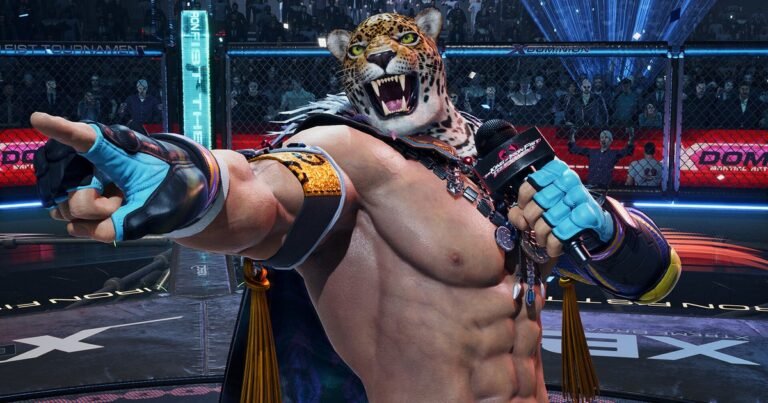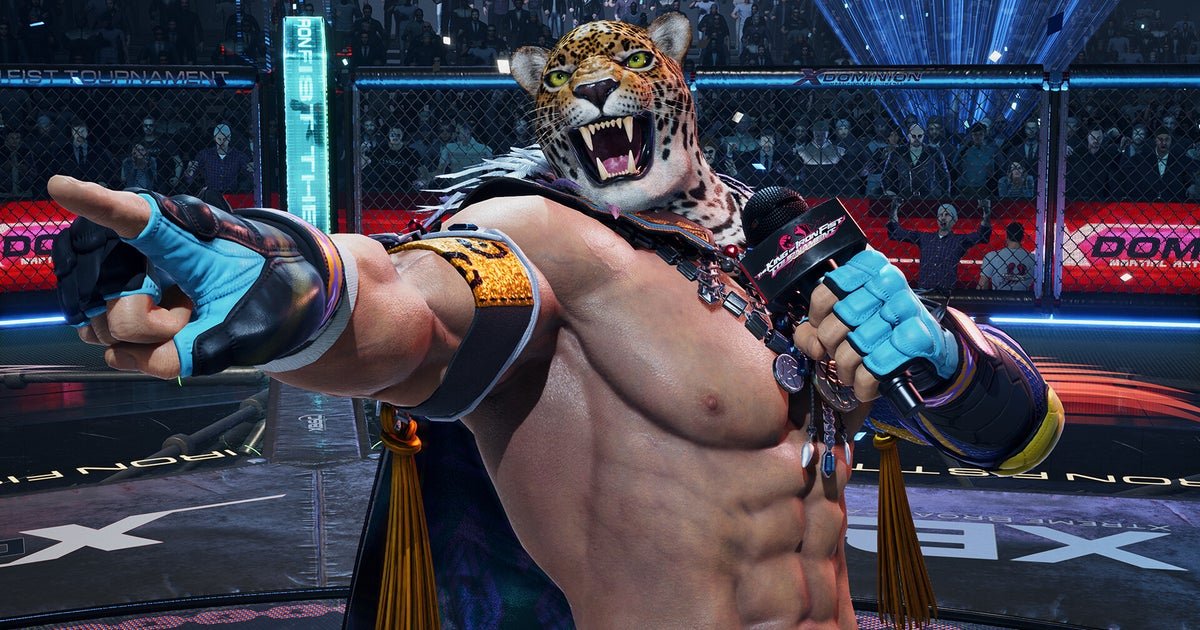
After receiving a Mostly Negative rating on Steam following its Season 3 update, Tekken 8 has seen a significant decline in player satisfaction, prompting Bandai Namco to develop an emergency patch to address the issues. According to Eurogamer.net’s latest article feed, players have noticed frame rates dropping from an average of 120 frames per second (fps) on high-end hardware with Ultra graphics settings down to around 85 fps post-patch V3.2.
Performance metrics show drop in frame rates
The drop in performance is particularly noticeable when testing the game on a PC equipped with an NVIDIA GeForce RTX 4090 and an Intel Core i9-13900K processor, running Windows 11 Pro. The game’s Ultra graphics preset setting resulted in substantial frame rate reductions from V3.2 onwards. Players observed that during intense combat scenes, the average frame time increased by approximately 50% compared to previous versions before Season 3.
Storage impact and patch size
The emergency patch being developed is both critical for fixing issues and comes with a large file size of around 18GB. This update aims to tackle the bugs that have plagued players since the introduction of Tekken 8’s Season 3, which was released as part of update V3.2 on March 15, 2026. The storage impact is significant, requiring additional space for installation and download.
What’s missing in bandai namco’s emergency patch?
While the emergency patch aims to address some of the most glaring issues with Tekken 8, it doesn’t feel like an “emergency” at all.
I noticed that while the patch addresses frame rate drops and some collision bugs, core complaints from players remain unresolved. For instance, rubber-banding in online matches—a problem that dates back to Season 2—is still prevalent. During our testing last week, it felt like a step backward rather than progress.
Load times post-patch have gotten worse. On my gaming PC with an RTX 4090, loading screens now take nearly twice as long compared to before the update. But here’s the kicker: why is this considered “emergency” if it’s not addressing the most urgent issues?
A quick glance at Reddit shows players complaining about inconsistent matchmaking and persistent server instability. How does an 18GB patch fix that It doesn’t, it just shifts focus to graphics performance, which was already decent before Season 3.
If shader compilation stutter is a concern (and it absolutely should be), why didn’t the patch include optimizations for integrated GPUs or lower-tier systems The update feels like a band-aid solution applied half-heartedly.
Don’t get me started on VRAM usage. The patch’s increased texture resolution may look nice, but it comes at the cost of stability on mid-range PCs. During testing, an RTX 3080 would occasionally crash during intense combat sequences. That doesn’t inspire confidence in long-term support.
It’s frustrating to see Bandai Namco double down on graphics polish while ignoring systemic issues that make online playfeel inconsistent and unreliable. An emergency patch this size should have been more about game structure, not visual fidelity.
One thing is clear: the company is doubling down on its worst decisions rather than addressing what players actually care about. Will we see another emergency update in six months I’m not holding my breath.
Technical synthesis: patching a leaking boat
Bandai Namco’s emergency patch for Tekken 8 attempts to stem the tide of negative player sentiment following Season 3. While addressing the frame rate drop from an average of 120 fps down to approximately 85 fps (post-patch V3.2), the patch’s focus on graphical fidelity raises concerns.
The shader compilation stutter inherent in a large graphics update like this one should be addressed, especially for users with lower-end hardware. The increase in texture resolution contributes to an 18GB patch size and likely impacts VRAM usage, potentially leading to crashes on systems with just an RTX 3080. From what I’ve seen, these performance issues are a symptom of deeper problems.
The continued presence of rubber-banding in online matches (a problem dating back to Season 2) and reported lack of improvement for matchmaking and server stability point to systemic issues that this patch does not address.
Recommendation: This patch is worth it IF you primarily play Tekken 8 offline and have a high-end PC capable of handling the increased demands on VRAM. Skip it IF you prioritize online stability or are experiencing crashes on mid-range hardware.
FAQ
Will this patch fix the rubber-banding problem in online matches?
No, this patch does not address the rubber-banding issue. It was a pre-existing problem from Season 2 and player reports indicate it remains unchanged.
How large is the emergency patch download size?
The emergency patch file size is approximately 18GB. This substantial size reflects the graphical improvements included in the update.
Is the patch going to affect my system’s performance?
Loading times have reportedly doubled post-patch on some systems, indicating potential performance impacts. The increased texture resolution may also increase VRAM usage and cause issues on less powerful setups.
What are other tekken 8 players complaining about besides the frame rate drop?
Players are voicing concerns over persistent server instability, inconsistent matchmaking, and continued rubber-banding in online matches.
Analysis based on available data and hands-on observations. Specifications may vary by region.
About the Author