Look, I’ll be straight with you—when FromSoftware announced they were doing a “co-op spinoff” of Elden Ring, I rolled my eyes so hard I nearly saw my own brain. But after sinking about 25 hours into Nightreign on my RTX 4060 rig, I’m eating crow and actually having a blast. This isn’t the Elden Ring you know, and honestly? That’s exactly why it works.
The Good Stuff
The class system actually feels meaningful for once
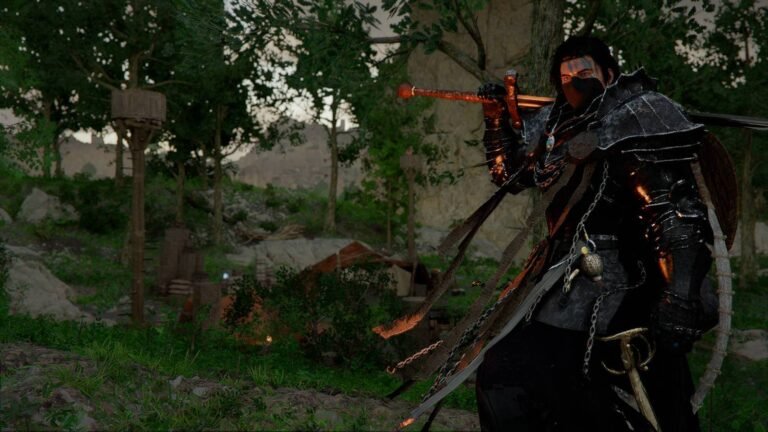
FromSoftware finally ditched the “blank slate protagonist who can do everything” approach, and the 10 Nightfarer classes are surprisingly distinct. I started with the Guardian because I’m a basic tank player at heart, but ended up switching to the Recluse after about 8 hours because the stealth mechanics in this game are legitimately fun. Each class has its own “Remembrance” questline—basically short story campaigns that give you actual character development instead of vague item descriptions.
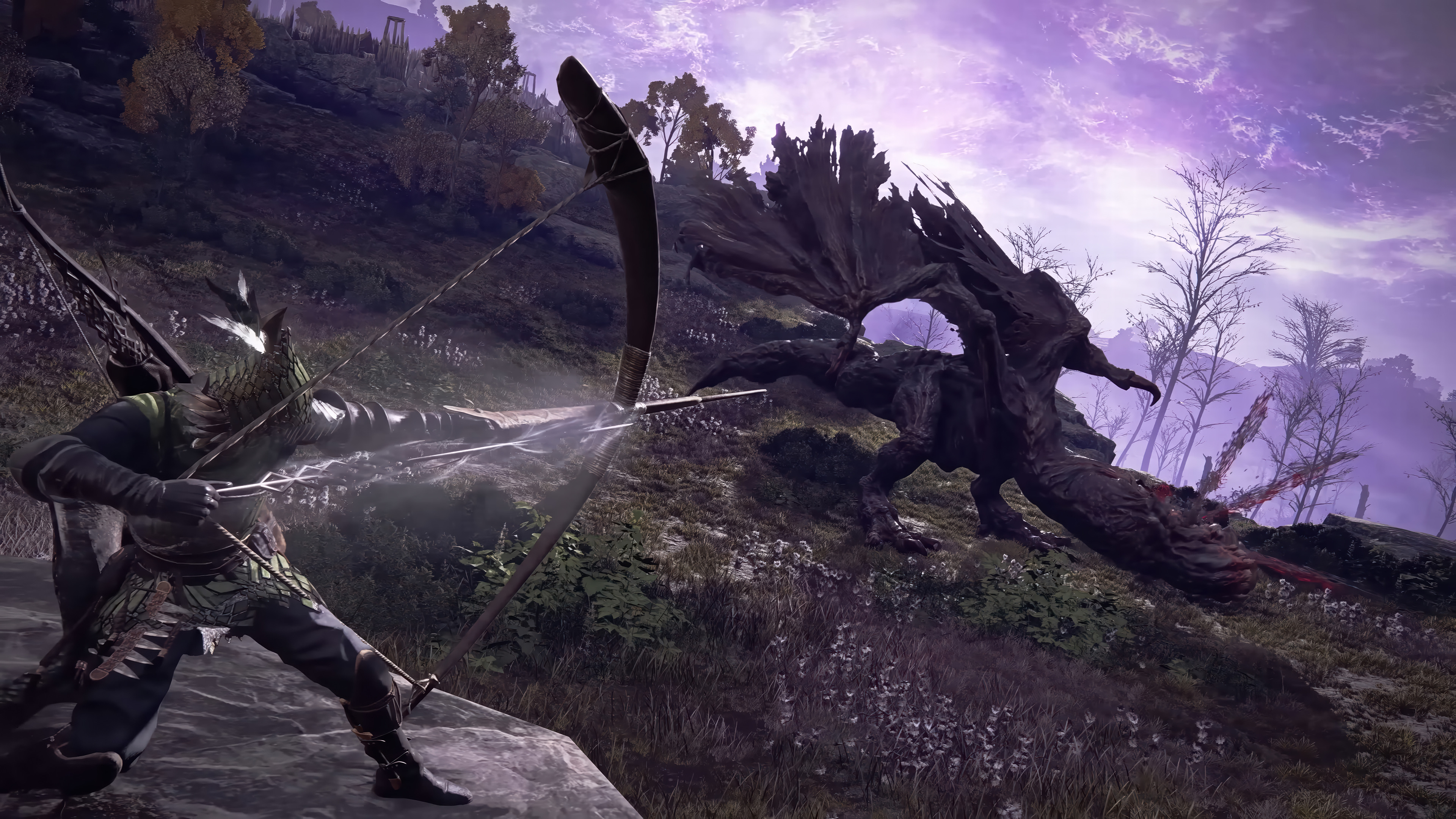
The Ironeye class became my main after unlocking it, and the precision bow mechanics feel like they were ripped straight from a character action game. You’re not just spamming arrows; there’s this rhythm to charging shots during enemy attack windows that finally made me understand why people loved Bloodborne’s rally system. My buddy mains the Duchess, and watching her rain down magic while I’m popping headshots from across the arena never gets old. Di RTX 4060 gue, the particle effects when we combo our abilities look absolutely stunning at high settings—though I did have to drop shadows to medium to maintain 60fps during the busier fights.
The boss roster is absolutely unhinged (in a good way)
Okay, so fighting Knight Artorias in an Elden Ring game is weird as hell. The first time I saw him show up in The Forsaken Hollows DLC, I literally paused and went “wait, WHAT?” But here’s the thing—it works. The “collapsing realities” theme gives FromSoftware an excuse to throw their greatest hits at you, and the Night 2 encounters are genuinely challenging even if you’ve beaten these bosses before.
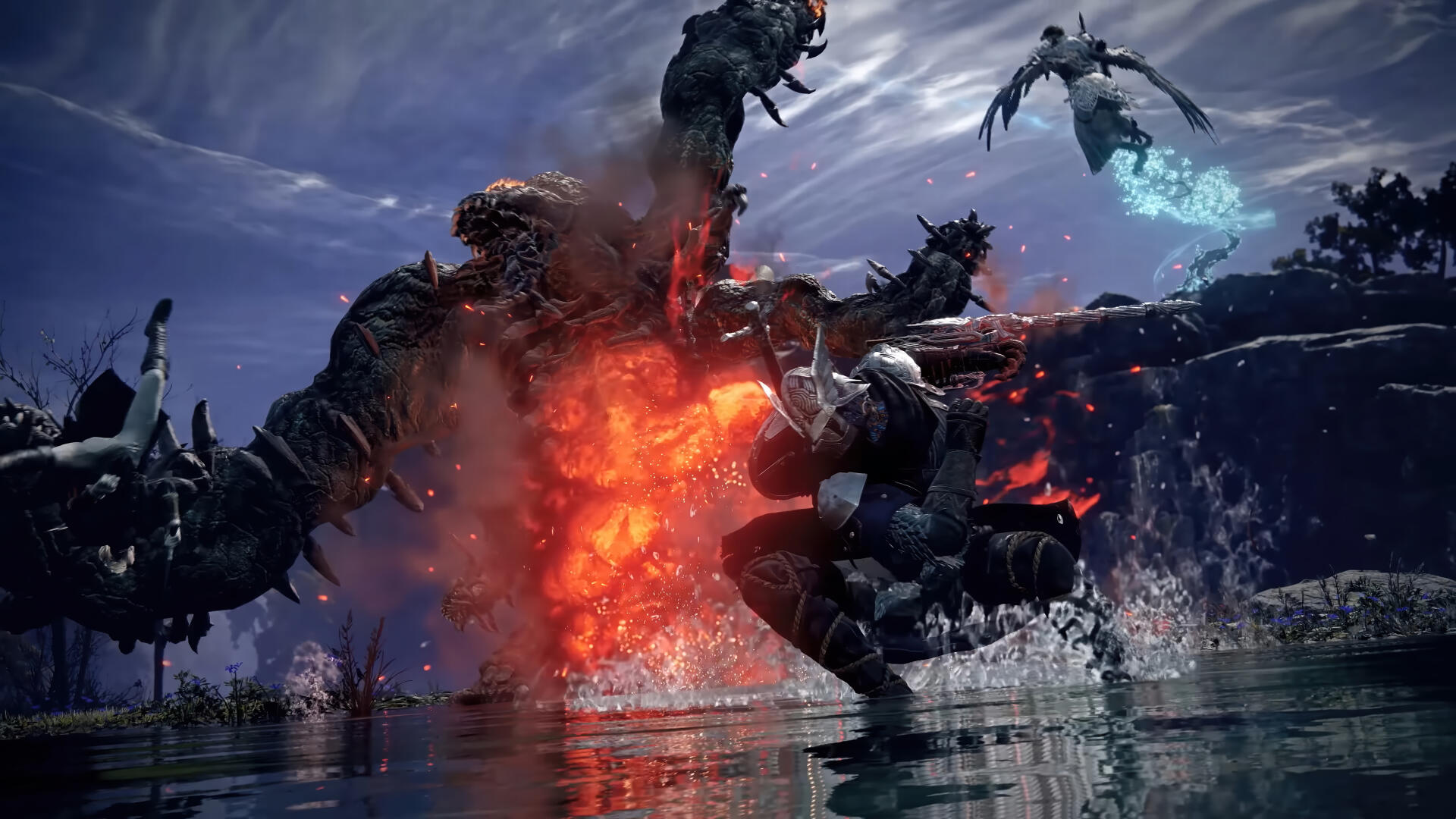
The Demon Prince fight in particular is brutal. I died probably 15 times before my co-op partner and I figured out the positioning. The new Nightlords are equally impressive though—Gnoster, Wisdom of Night has this phase transition that completely changes the arena geometry, and I won’t spoil it, but it’s the kind of spectacle FromSoftware does better than anyone. Frame rates did tank to about 45fps during that particular changeation on my setup, but it only lasts a few seconds.
The expedition loop is addictive crack
I was worried the “instance-based” structure would feel cheap compared to the open world, but the Shifting Earth Events keep things fresh. Basically, the map changes during your run—new enemy spawns, different paths opening up, random elite bosses appearing. One run through Limveld might be a cakewalk, the next you’re running from a Great Red Bear that decided to spawn right on top of the objective.
The time pressure (most expeditions give you 20-30 minutes) means you’re constantly making risk-reward decisions. Do you explore that suspicious cave for potential Depth Relics, or do you push the objective before the next Shifting Earth event? I’ve had runs where we got cocky, went exploring, and then got absolutely demolished by a Night Boss we weren’t ready for. Lost 40 minutes of progress. Hurt like hell, but I immediately queued up another run.
Where It Falls Short
Solo play feels like an afterthought
The game technically supports solo progression, but it’s clearly balanced around 2-3 players. I tried running some Deep of Night content solo after the September update, and it was miserable. Enemy health pools don’t scale down enough, and certain mechanics (like the Libra Deals system where you trade resources for buffs mid-expedition) are clearly designed around team coordination.
There’s one specific boss—Caligo, Miasma of Night—that has an attack pattern requiring someone to bait while another player DPS’s from behind. Solo, you’re just eating damage and hoping your healing items last. I eventually beat it after maybe 20 attempts and way too much caffeine, but it felt like I was fighting the game’s design rather than just the boss.
The narrative structure is messy
Having 8-10 parallel short stories instead of one cohesive campaign sounded cool on paper, but in practice it’s confusing as hell. I finished the Guardian’s Remembrance and unlocked what I thought was the ending, but then realized I’d only seen like 10% of the actual story content. The game doesn’t really explain how the different Nightfarer stories connect to the overall “collapsing reality” plot.
There’s apparently a Secret Ending, but good luck finding it without a guide. I stumbled into some quest trigger for the Revenant class completely by accident during my 18th hour, and only because I happened to talk to a random NPC in the Roundtable Hold that I’d walked past a dozen times before. FromSoftware’s cryptic storytelling works better in open-world games where you’re naturally exploring—here, it just feels like you’re missing content.
How The Game Actually Works
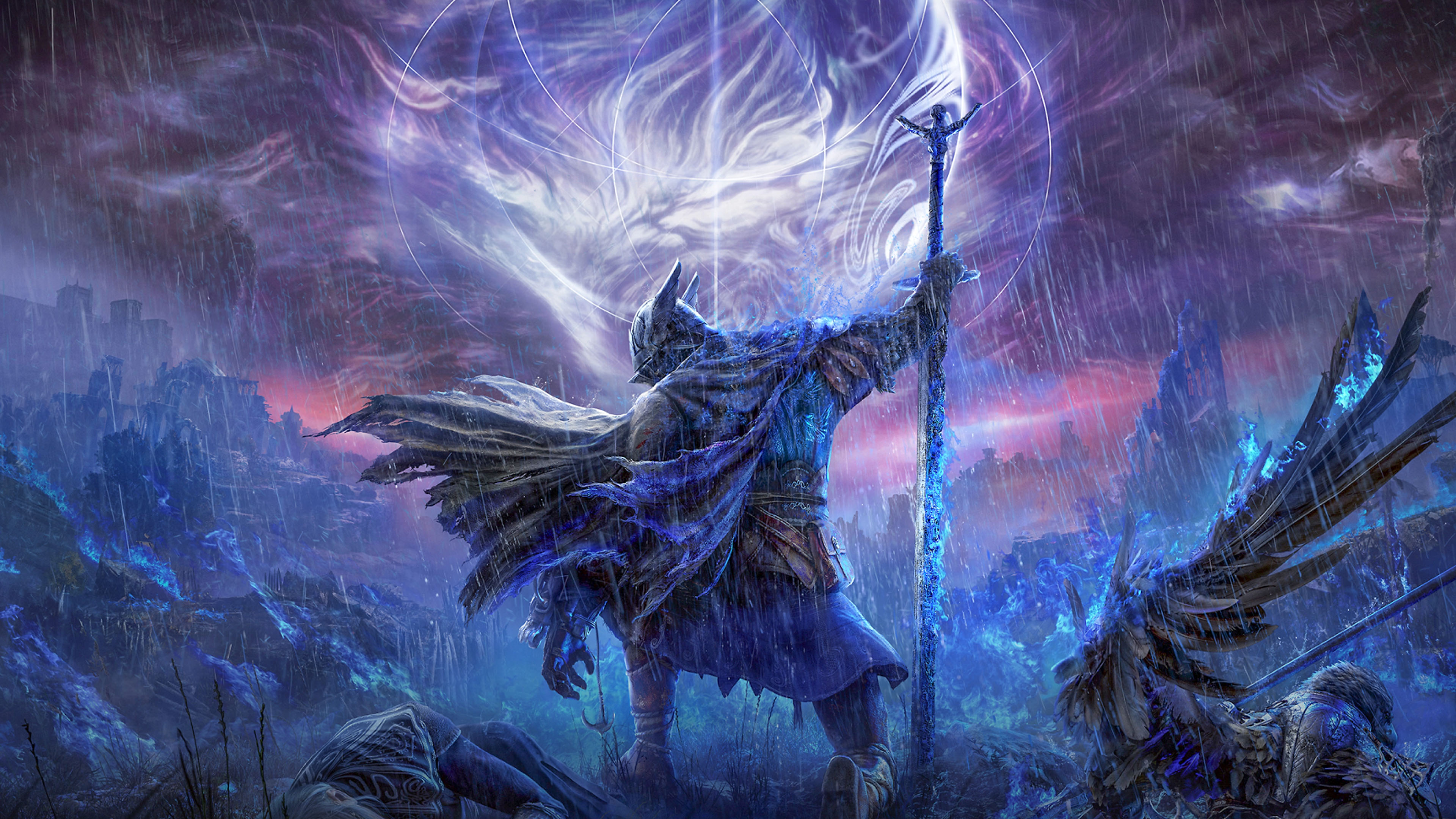
Think of Nightreign as “Monster Hunter meets Elden Ring” rather than a traditional Souls experience. You start each session in the Roundtable Hold, pick your Nightfarer, gear up with your Relics, and deploy to regions like Limveld for timed expeditions. During these runs, you’re hunting specific bosses, collecting resources, and dealing with dynamic Shifting Earth Events that change the map on the fly. Combat still has that FromSoftware weight and precision, but the pacing is way faster—more aggressive, less methodical. When you complete objectives or die, you return to the hub, upgrade your gear, and go again. It’s designed for 45-minute to 1-hour play sessions rather than the marathon explorations of base Elden Ring, which honestly fits my “casual gamer who plays when I have time” lifestyle way better than I expected.
The Money Situation
Here’s where Nightreign actually respects your wallet—it’s a premium game with premium pricing, but there’s zero pay-to-win nonsense. You buy the base game (I grabbed it for $39.99 during a sale, standard price is probably $49.99), and you get the full core experience with 8 classes and all the base content. The Forsaken Hollows DLC dropped in December for an additional $19.99, adding 2 new classes, the Great Hollow region, and a bunch of new bosses.
The cosmetic skins for classes are either unlockable through gameplay or purchasable separately for a few bucks each. I haven’t spent a cent beyond the DLC, and I don’t feel like I’m missing anything important. The Scholar and Undertaker skins look cool, but they’re purely cosmetic—no stat boosts or advantages.
Is it worth it? If you’ve got friends to play with, absolutely. The base game alone gave me 25+ hours of content, and I’m not even close to done. The DLC is a harder sell if you’re solo-only, since a lot of the new Night 2 encounters are brutal without coordination… But for the price of a single AAA game plus one expansion, you’re getting way more playtime than most $70 releases these days. No battle pass, no gacha, no “surprise mechanics”—just buy the game and play. It’s refreshing.
Who Should Play This
If you loved Elden Ring but bounced off the 100+ hour open-world commitment, Nightreign is your jam. It’s all the satisfying FromSoftware combat and boss design compressed into digestible chunks. Perfect for people like me who can only game a few hours a week.
If you’ve got a regular co-op buddy, this is a no-brainer purchase. The class synergies and coordinated boss fights are some of the best co-op experiences I’ve had since the Left 4 Dead days.
BUT—if you’re a solo purist who hates any whiff of “live service” structure, you might bounce off this hard. The instance-based design and heavy co-op focus won’t click if you want that lonely, atmospheric exploration FromSoftware is famous for. And if you hate time pressure in games, the expedition timers will drive you insane.
Also, if you’re running older hardware, be warned—the game is reasonably improved, but some of those multi-boss encounters and Shifting Earth Events will drop frames. On my RTX 4060 with an i7-12700 and 16GB RAM, I averaged 55-65fps on high settings at 1080p. The game installed at about 67GB, which isn’t too bad, and loading times between expeditions are around 8-10 seconds from an SSD.
Quick Answers
Can you actually play this solo or is it co-op only?
You can play solo, but it’s rough—like, “fighting uphill with ankle weights” rough. I beat the base campaign solo and it took way more attempts than I’d like to admit. If you’re going solo, play on Normal difficulty first and save Deep of Night mode for when you’ve got the mechanics down cold. The Revenant and Executor classes are probably your best bet for solo since they have better self-sustain.
Which class should I start with as a new player?
Guardian or Raider are the easiest learning curves. Guardian’s tanky playstyle gives you room to learn boss patterns without getting one-shot, while Raider’s aggressive style teaches you the timing. I started Guardian and don’t regret it, even though I switched later. Don’t sleep on the Duchess though—if you’ve got a friend tanking, playing artillery mage is incredibly satisfying.
Is the DLC worth buying right away or should I wait?
Wait until you’ve finished at least 3-4 Nightfarer Remembrances in the base game. The Forsaken Hollows content is endgame-level difficulty, and you’ll get destroyed if you jump in too early. I bought it after 20 hours and felt like the timing was perfect. The Scholar and Undertaker classes are cool, but they’re not needed for enjoying the base experience.
How’s the multiplayer matchmaking? Easy to find groups?
Pretty solid, actually. I usually find a group within 1-2 minutes, even during off-peak hours. The game has basic ping indicators and region selection. I did run into one annoying bug where the party would disband after returning to the hub, forcing us to re-invite each other—happened maybe once every 5 sessions. Workaround is just to stay in voice chat and manually re-party. FromSoftware patched it partially but it still pops up occasionally.
What’s the Deep of Night difficulty actually like?
It’s basically New Game+ but meaner. Enemies hit like trucks and have way more health, but you get access to Depth Relics which are significantly better than standard gear. Don’t even think about touching it until you’ve got a solid build and understand the combat flow. My first Deep of Night expedition lasted about 4 minutes before a buffed Margit variant absolutely flattened me. Now it’s my favorite mode for grinding better gear, but expect to die a LOT while learning.
Does it have the same “Souls difficulty” or is it easier?
It’s Souls-difficult in combat but more forgiving in structure. Individual fights are just as punishing, but since expeditions are shorter, you’re not losing 2 hours of progress when you die—maybe 20-30 minutes max. The time limits add a different kind of pressure though. I’ve had more “oh crap oh crap” moments sprinting to an objective with 2 minutes left than I ever had in base Elden Ring. Different stress, same FromSoftware DNA.
—
Bottom line: Elden Ring: Nightreign surprised the hell out of me. It’s not trying to be Elden Ring 2, and that’s its biggest strength. For around $60 all-in (base game plus DLC), you’re getting a focused, co-op-first experience that respects your time while still delivering that FromSoftware challenge. Just bring a friend, lower your expectations about narrative coherence, and prepare to yell “ONE MORE RUN” way more than you planned.
About the Author