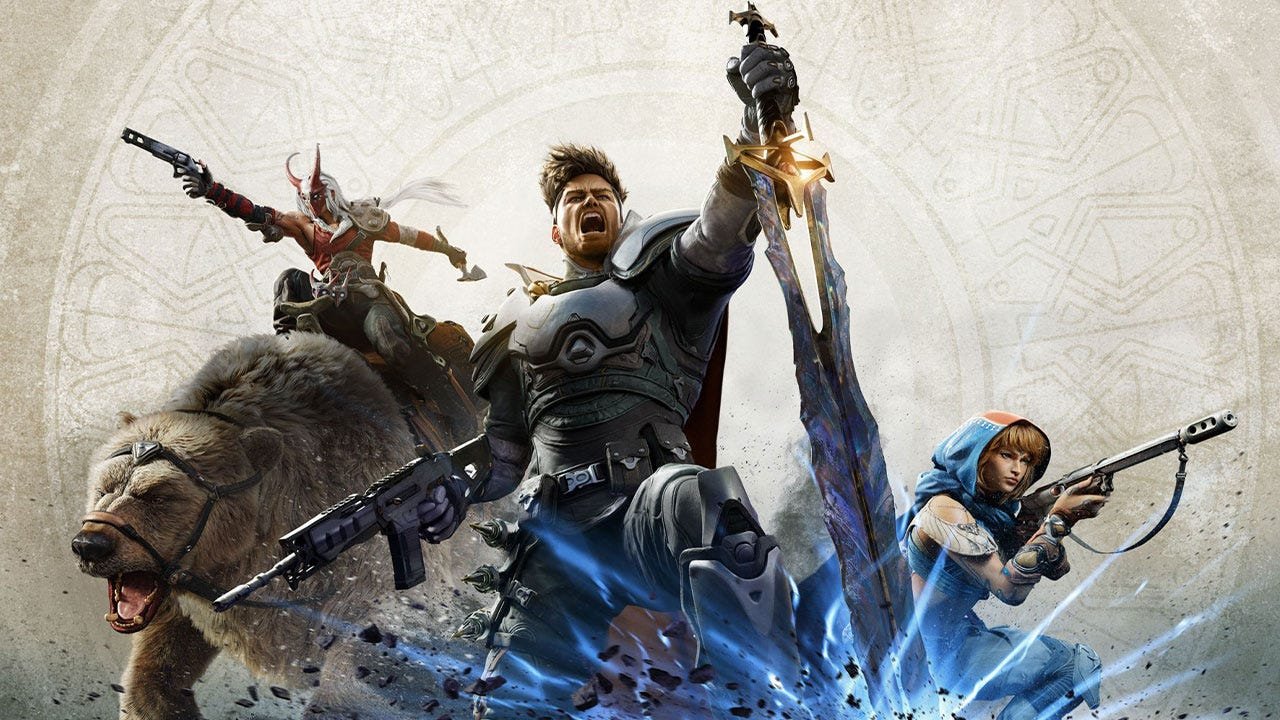
Let’s be honest for a second: in the modern gaming landscape, the moment an official website for a live-service title goes dark, we all start smelling the smoke. It’s a reflex at this point. We’ve been conditioned—burned, really—to expect the worst, especially when a game has had a start as rocky and turbulent as Highguard. So, when players tried to hop onto playhighguard.com earlier this week only to be met with a cold, flickering “site unavailable” message, the internet did exactly what it’s built to do—it assumed the funeral was already being planned. According to reports from IGN Video Games, Wildlight Entertainment has finally stepped into the fray to clear the air, confirming that a new patch is indeed on the horizon, even if the website itself is still looking like a digital ghost town for the foreseeable future.
When the Website Goes Dark, the Panic Sets In—And Usually, We’re Right to Worry
It’s a bizarre situation to find yourself in as a developer, isn’t it? Usually, your digital storefront and community hub are the things you keep looking pristine, even if the game itself is held together by duct tape and prayers. But according to Discord admin WL_Coronach, fixing the website is currently sitting at the bottom of the “low priority” pile. Instead, the team is pivoting every single resource they have left toward “updates and content.” It’s a refreshingly honest admission, sure, but it’s one that highlights the sheer sense of desperation currently vibrating behind the scenes at Wildlight. They know the optics are terrible. In fact, they’ve straight-up admitted that the “reputational damage” is already done. At this stage, it’s no longer about looking good; it’s strictly about survival.
But we have to ask the hard question: can a single patch really plug the holes in a ship that seems to be leaking players from every inch of its hull? Highguard only launched a few weeks ago—January 26, 2026, to be exact—across PC, PS5, and Xbox Series X|S. Theoretically, it should still be in its honeymoon phase, that sweet spot where players are still discovering secrets and the community is buzzing with excitement. Instead, it’s fighting for its literal life in an ecosystem that has become increasingly, almost pathologically, hostile to anything that doesn’t already have “Call of Duty” or “Fortnite” in the title. When you’re competing for the limited free time of players against giants like Apex Legends, you don’t get a second chance to make a first impression. And Highguard’s first impression? It was more of a stumble than a sprint.
The reality is that modern gamers are savvy—maybe even a bit cynical. We see a broken website and we don’t just think “server maintenance.” We think “exit strategy.” Wildlight is trying to signal that they aren’t giving up, but in a world where games disappear from storefronts overnight, words often feel a lot thinner than code. They are betting everything on this next update, hoping that a injection of fresh content can act as a defibrillator for a heart that’s barely beating. It’s a massive gamble, especially when you consider that the very platform meant to communicate these changes to the wider world is currently offline.
The Math of a Meltdown: Why a 99% Drop-Off Is Harder to Survive Than It Looks
To really wrap your head around why everyone is panicking, you have to move past the vibes and look at the cold, hard data. And the data is, frankly, brutal. According to SteamDB, Highguard hit a staggering peak of over 97,000 concurrent players on its launch day. By any metric, that is a massive win. It’s the kind of number that usually signals the birth of a new hit. But the drop-off that followed wasn’t just a decline—it was a total cliff dive. Today, the game is struggling to crack even 1,000 players on that same platform. We are looking at a 99% retention loss in less than thirty days. Let that sink in for a moment. To put that in perspective, a 2025 report from Statista noted that the average “healthy” live-service title expects to keep at least 15-20% of its launch audience after the first month just to remain financially viable. Highguard isn’t even in the same zip code as “viable” right now.
“Low priority [at the moment] ( reputational damage already done ). Now we just need to focus on delivering updates and content to improve.”
— WL_Coronach, Wildlight Entertainment Discord Admin
That quote hits like a ton of bricks. It is incredibly rare to see a developer be that blunt, that raw, about their own standing in the industry. Usually, we are fed the standard “we are listening to your feedback” PR fluff—sentences designed to say everything and nothing at the same time. This feels different. This feels like a medic on a smoke-filled battlefield triaging wounds while the artillery is still falling. They know the website looks bad. They know the community is frustrated. But they also know that a shiny, high-functioning website doesn’t matter one bit if there’s no game left for people to play. The focus on “updates and content” is the only play they have left on the board. However, with recent layoffs reportedly gutting a significant portion of the studio, you really have to wonder: who is actually left to build that content? It’s hard to build a cathedral when you only have enough people left to man a lemonade stand.
And then, of course, there’s the “Concord” of it all. The ghost of Sony’s ill-fated hero shooter looms large over every single new multiplayer release these days. We’ve reached a point where players are genuinely scared to invest their time—or heaven forbid, their money—into a new game because they are terrified it’ll be delisted and gone in a month. It’s a tragic, self-fulfilling prophecy: players leave because they think the game is dying, and their departure is exactly what kills the game. Highguard is currently trapped in that exact death spiral, and it’s going to take something miraculous to pull it out of the spin. Every day that passes with a sub-1,000 player count makes the “dead game” narrative harder to fight.
The Hype Tax: How Being the “One Last Thing” at The Game Awards Might Have Backfired
Looking back with the benefit of hindsight, maybe the writing was on the wall from the very beginning. Remember The Game Awards 2025? Geoff Keighley brought out Highguard as the coveted “one last thing” announcement. It was supposed to be a mic-drop moment, the kind of reveal that signals a new industry titan has arrived to claim the throne. But instead of universal excitement, the reaction was… well, it was confused. People were looking at their screens asking, “Why was this the closer?” and “What actually is the game?” The silence from Wildlight in the weeks following that reveal only allowed that confusion to ferment into genuine concern. By the time we actually got our hands on the game, the mystery had turned into skepticism.
By the time the game actually hit PC and consoles, the “meta” of the gaming world had already shifted. Players weren’t just looking for another shooter; they were looking for something revolutionary. What they got instead was a solid, if somewhat uninspired, experience that was immediately buried under a mountain of negative user reviews. Now, some of those reviews were fair critiques of the game’s grindy progression system or its questionable weapon balance. But many were just the result of a community that felt the game had been overhyped and under-delivered. It’s what I like to call the “hype tax”—the extra scrutiny and inevitable backlash that comes with taking a prime-time TGA slot. If you’re going to be the “one last thing,” you better be prepared to change the world. Highguard just wasn’t ready for that level of heat.
The rumored involvement of Tencent adds another layer of complexity that we can’t ignore. According to reports from Game File, the Chinese megacorp quietly funded a significant portion of the development. If that’s true, the pressure to perform isn’t just coming from the fans—it’s coming from one of the most demanding and data-driven investors in the world. Tencent doesn’t usually have the patience to stick around for “low priority” projects that aren’t generating a massive return on investment. If Highguard doesn’t turn things around with this next patch, the funding might just vanish as quickly as the player base did. And in this industry, when the money stops, the servers usually follow shortly after.
It’s also worth considering the internal culture at Wildlight. Launching a game is exhausting, but launching a game that immediately starts bleeding out is a special kind of hell. You have to wonder about the morale of the developers who are reading the “99% drop-off” headlines while trying to code new features. It takes a lot of mental fortitude to keep pushing when the public has already written your obituary. The “updates and content” promise isn’t just for the players; it’s a rallying cry for the staff who are still there, trying to prove that their work wasn’t for nothing.
What’s Actually in the Patch? (And Will It Be Enough?)
So, what can we actually expect when this mystery patch finally drops? Wildlight has been frustratingly vague so far, but they’ve teased a “patch preview” once the release date is officially locked in. Given the current state of the game, we can probably expect a massive overhaul of the rewards system—something to make the daily grind feel less like a second job and more like a game. We’ll also likely see some significant balance changes to address the “meta” complaints that have been dominating the Steam forums for weeks. They need to give the 1,000 remaining loyalists a reason to stay and, more importantly, a reason to go back to their friends and say, “Hey, it’s actually getting better. Come back.”
But here’s the problem: content takes time. And time is the one thing Wildlight is rapidly running out of. Even with their first year of content supposedly “deep in development” at launch, the layoffs have undoubtedly thrown a massive wrench in those plans. It’s essentially a skeleton crew trying to build a cathedral. I want to be optimistic—I really do—because the core mechanics of Highguard actually have some genuine spark to them. The gunplay is crisp, the movement feels better than most of its contemporaries, and there are moments where you can see the game it was meant to be. But a game needs more than “feel” to survive in 2026. It needs a community, it needs a roadmap, and it needs a reason to exist alongside the titans.
There’s also the question of whether they’ll address the technical issues that plagued the launch. A lot of those initial negative reviews mentioned crashes, lag, and UI bugs that made the experience feel unfinished. If this patch doesn’t come with a significant boost in stability, all the new content in the world won’t save it. You can’t enjoy a new map if the game crashes every time you try to load into it. Wildlight has a very narrow window here to prove they can handle the technical side of a live-service game, not just the creative side.
Fighting for Air in an Overcrowded Market: Is There Room for One More “Forever Game”?
We have to look at the broader picture here, because Highguard isn’t failing in a vacuum. It’s failing in an era where “Live Service Fatigue” has transitioned from a buzzword to a brutal market reality. A 2024 Newzoo report found that nearly 80% of all gaming hours on PC and consoles are spent on just 66 titles—most of which are over five years old. Think about that. When you launch a new shooter today, you aren’t just launching a game; you are asking players to quit their “main” game. You are asking them to walk away from their friends, their expensive skins, and years of progress in Call of Duty, Valorant, or Destiny to start over with you from zero.
That is a massive, almost impossible ask. And if your website is down, your studio is laying people off, and your player count is hovering at 1% of its peak, why on earth would anyone make that jump? Wildlight says they are focusing on “updates and content” to improve their reputation, but they are fighting an uphill battle against an entire industry trend. The “reputational damage” they mentioned isn’t just about a broken website—it’s about the broken trust players have in the entire live-service model. We’ve been told “it gets better” so many times that we’ve become numb to the promise. We don’t want to hear about the roadmap; we want to see the results.
And let’s not forget the competition that’s still on the way. The shooter market is more crowded than a subway at rush hour. Every month, a new “Apex killer” or “CoD alternative” arrives, only to be swallowed by the void. Highguard had the advantage of a big reveal and a decent launch window, but it failed to capitalize on it. Now, it has to find a way to stand out not just against the established kings, but against the next wave of hungry newcomers who are waiting to take its spot on the digital shelf. It’s a game of musical chairs where the music never stops, and Highguard is currently looking for a seat that might not exist.
Is Highguard shutting down?
As of right now, the answer is no. Wildlight Entertainment has officially denied the shutdown rumors that have been swirling online. They’ve stated that a new patch is actively in development and they remain committed to their content roadmap for the year. However, in this industry, things can change quickly, so fans are keeping a close watch.
Why is the Highguard website offline?
According to the developer, the website is being “transferred and simplified.” Because the team is currently prioritizing game updates and dealing with internal staff changes, fixing the site has been labeled a “low priority” issue. It’s a move intended to save resources, even if it looks bad to the public.
Will the new patch fix the game?
While the specific details haven’t been released yet, the developer’s intent is to focus on “updates and content” to improve the overall player experience. Whether this will be enough to lure back the massive audience that showed up at launch is the million-dollar question. It’s going to take more than just a few bug fixes to turn this ship around.
Is There a Path Back From the Brink, or Are We Just Watching the Inevitable?
If there is any silver lining to be found in this mess, it’s that the players who have stuck around seem genuinely invested in the game’s future. There’s a small, incredibly dedicated community on Discord that is cheering for a comeback story. We’ve seen redemption arcs before—look at the incredible turnarounds of No Man’s Sky or Cyberpunk 2077. It is technically possible to crawl out of the grave and find success. But there’s a catch: those were largely single-player focused experiences (at least initially). A multiplayer shooter requires a critical mass of players just to function. You can’t have a match if there’s no one else in the queue, and you can’t have a community if the servers feel like a desert.
Wildlight Entertainment is at a massive crossroads. This upcoming patch isn’t just another update in a long line of scheduled tweaks; it’s a statement of intent. It’s them standing up and saying, “We are still here, and we aren’t done yet.” I truly hope they can pull it off. I hope the Tencent funding stays secure and the remaining staff can find a way to make Highguard the game it was clearly meant to be when it closed out The Game Awards just a few months ago. There is a good game buried in there, somewhere under the technical issues and the bad PR. But for now, I’d suggest keeping your expectations in check. The website might be “low priority,” but for a game in this much trouble, every single thing should be treated like a five-alarm emergency.
We’ll be keeping a very close eye out for that patch preview. If it’s substantial—if it really changes the core loop and rewards the players—maybe there’s a glimmer of hope. If it’s just a few minor bug fixes and a couple of new character skins, then the “site unavailable” message we saw earlier this week might just be a preview of the game’s final fate. Let’s hope for the former, because the industry is always better when a developer manages to snatch victory from the jaws of defeat. But the clock is ticking, and the silence from the official website is getting louder by the day.
This article is sourced from various news outlets. Analysis and presentation represent our editorial perspective.
About the Author