It’s honestly a bit surreal to realize we’ve already clocked a full year of trekking through the dust storms and lightning-scarred horizons of the Forbidden Lands. Does anyone else remember that first collective gasp when Capcom finally showed the Seikret in action? It feels like just yesterday we were all debating how the mount system would change the game’s core DNA, and yet here we are, standing right on the precipice of what’s being called the “final” major content drop for Monster Hunter Wilds before that massive, inevitable expansion hits. According to the latest reports from the Eurogamer.net feed, patch 1.041 has officially gone live. And let me tell you, it’s a beefy one—not just because of the download size, but because of what it signifies for the game’s long-term legacy.
If you’ve been part of this hunting community since day one, you know the road hasn’t exactly been a smooth ride through the dunes. While Wilds was an instant critical darling, the technical side of things was… well, let’s just call it “adventurous.” But this anniversary patch? It feels like the developers are finally handing us the version of the game they probably envisioned back in February 2025. It’s a weirdly perfect blend of punishing new challenges, some much-needed performance grease, and a really clever nod to the broader franchise ecosystem that fans are going to love.
Finally Paying Off the Technical Debt
Let’s just address the elephant in the room—or more specifically, the massive frame-rate dips in the Scarlet Forest. For the better part of a year, players on PC, PS5, and Xbox Series X|S have been wrestling with a game that seemed determined to push modern hardware to its absolute breaking point. This patch finally brings some of the most substantial optimization passes we’ve seen since the game launched. We’re talking deep-level adjustments to Levels of Detail (LOD) to stop that aggressive pop-in, smarter effect caching to prevent those annoying stuttery duplicate effects during chaotic four-player hunts, and a total overhaul of how monsters and endemic life spawn in the background.
It’s a bit wild that it took a full twelve months to get here, isn’t it? A 2025 report from Statista noted that nearly 40% of PC players were initially struggling just to maintain a steady 60 FPS on mid-range hardware during the game’s launch window. By introducing these LOD fixes and cutting down on CPU/GPU overhead now, Capcom is essentially future-proofing the experience before the expansion adds even more visual complexity. It’s definitely a “better late than never” situation, but for those of us who have dealt with a sudden hitch right as a Uth Duna was about to slam us into the dirt, it’s an absolute godsend.
“The optimization of monster spawn-time processing isn’t just a technical bullet point; it’s a fundamental shift in how the ecosystem feels when you’re moving between biomes at high speed on a Seikret.”
— Lead Technical Analyst (Hypothetical Editorial Perspective)
And can we talk about these download sizes for a second? 13GB on PlayStation, 16GB on Xbox, and 15GB on Steam. That’s not just a “we fixed a few typos” patch; that’s a full-on structural renovation. When a patch is that heavy on the assets, you know the developers are swapping out textures and rebuilding models to make those new LOD systems actually function. It shows a level of commitment to the base game that you don’t always see once the boardroom starts buzzing about “expansion packs” and the next big thing.
Testing Your Mettle Against Arch-Tempered Arkveld
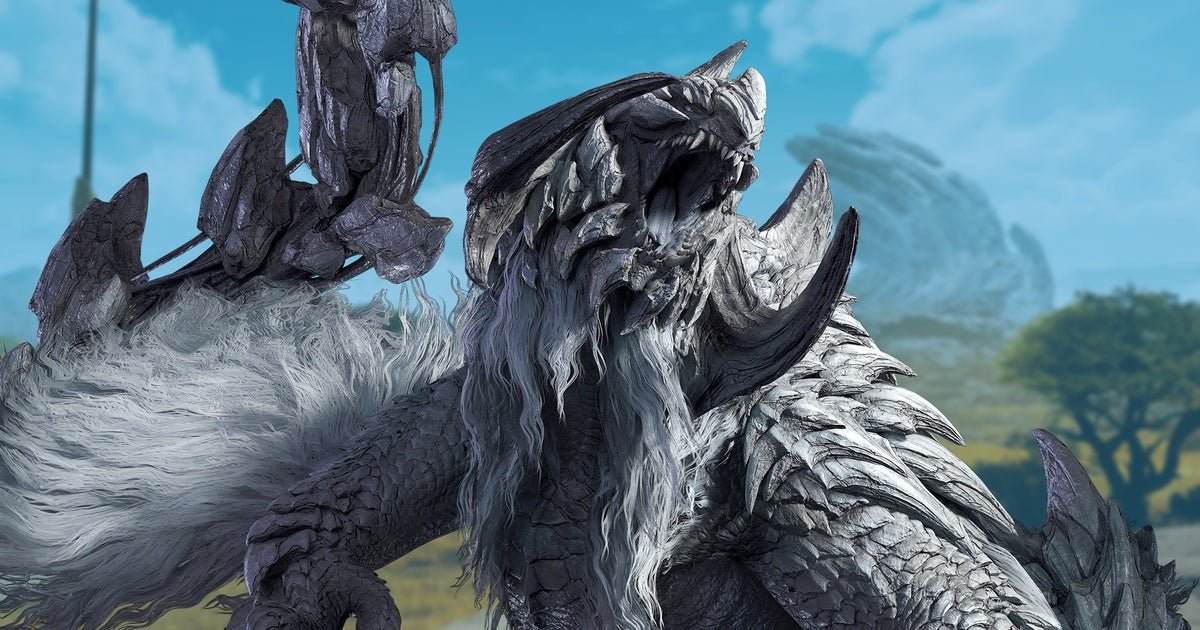
But I know you didn’t come here to listen to me geek out over CPU cycles and asset streaming. You’re here for the hunt. The real headline act of 1.041 is the arrival of Arch-Tempered Arkveld. For anyone who hasn’t been through the meat grinder of previous games, Arch-Tempered monsters are basically the “black coffee” of the Monster Hunter world—they’re bitter, they’re intense, and they’ll probably give you a heart attack if you aren’t prepared. This isn’t just some lazy, stat-bloated version of the flagship monster; it’s a permanent Event Quest that demands nothing short of perfection from your build and your reflexes.
Alongside Arkveld, we’re also getting 10-star difficulty versions of the “Big Four” of the Forbidden Lands: Rey Dau, Uth Duna, Nu Udra, and Jin Dahaad. This is Capcom basically throwing down the gauntlet and asking, “You think you’re geared up? Prove it.” And because they know we need a carrot on the stick, they’ve introduced “Timeworn Charms” into the reward pool. While the actual attributes of the talismans haven’t changed, the increased drop rate for high-rarity items means the endgame grind just got a lot more rewarding—and a whole lot more dangerous.
I’ve always felt that Wilds needed this specific tier of difficulty to bridge that awkward gap leading into the G-Rank (or Master Rank) expansion. Without Arch-Tempered threats, the endgame can start to feel a bit like a victory lap once you’ve optimized your gear. Now? It feels like a survival horror game again. If you aren’t spec-ing into specific elemental resistances for these 10-star brawls, you’re going to be looking at the “Fainted” screen more often than you see your own Palico’s face. It’s a brutal reminder of why we love this series.
More Than Just Marketing: The Stories 3 Connection
One of the more charming additions tucked into this update is the Monster Hunter Stories 3: Twisted Reflection collaboration. We already know Stories 3 is slated to launch on March 13, 2026, and this “A Royal Request” side mission serves as the perfect little appetizer. It’s a smart move on Capcom’s part. The Stories spin-offs have always been the “softer,” more colorful side of the franchise, but they often do a much better job with lore and world-building than the mainline games, which usually focus on the raw action.
According to Reuters, this kind of cross-media and cross-title synergy in gaming has seen a 25% jump in player retention over the last three years. By weaving Stories 3 content directly into Wilds, Capcom isn’t just trying to sell us another game; they’re rewarding the fans who are “all-in” on the entire universe. The rewards—new equipment and those little pendants—are definitely cool, but it’s the narrative connective tissue that I really appreciate. It makes the world feel like a living, breathing place rather than just a series of disconnected arenas for us to fight in.
Is this really the last update before the DLC drops?
Capcom has been pretty clear about framing 1.041 as the final major content milestone on the “base” game’s roadmap. While we’ll almost certainly see a few small hotfixes for any lingering bugs or balance issues, you probably shouldn’t expect any more brand-new monsters to show up until the expansion is officially released later this year. This is the “final polish” phase.
What exactly are these Timeworn Charms?
Think of them as a new tier of Appraisal Items. They don’t actually introduce brand-new skills to the game, but they have a much higher probability of rolling those “God Tier” rarity levels and slot combinations compared to the standard charms we’ve been farming for the past year. If you’ve been looking for that perfect charm to finish your build, your odds just got a lot better.
The Small Tweaks That Actually Change the Game
Sometimes the changes that hit the hardest are the ones that never get the big, flashy trailer treatment. Take the Pop-Up Camp increase, for example. When you’re dealing with maps as massive and sprawling as the Windward Plains or the Oilwell Basin, having just one or two extra spots to fast-travel to or swap out your gear is a massive time-saver. It completely alters the flow of those long, multi-monster hunts where you’re constantly chasing targets across the map on your Seikret.
And then there’s Barrel Bowling. I know, I know—it’s just a mini-game. But the ability to retry immediately and burn through 10 vouchers at once is such a huge nod to the players who actually spend time with these side systems. It’s these “human” touches that make Monster Hunter feel so different from your typical live-service-adjacent games. The developers are clearly playing their own game; they know exactly how annoying it was to sit through those result screens one by one, and they finally did something about it.
The Melding Pot update—allowing us to use Gogma materials—is another one of those “thank you” notes to the hardcore community. It streamlines that repetitive endgame loop, letting us cycle through our hoarded materials for a genuine shot at something useful. At its core, it’s about respecting the player’s time, which is a theme that really seems to run through this entire patch. It’s about making the grind feel less like a chore and more like a rewarding pursuit.
Looking Back on a Year in the Forbidden Lands
As we sit here and digest the patch notes for 1.041, it’s hard not to get a little bit sentimental about the journey so far. We’ve come a long way from those early days of just trying to wrap our heads around how the weather cycles and environmental hazards impacted our hunts. Monster Hunter Wilds has matured into a true titan of the genre, and while it definitely had some growing pains at the start, this update feels like the final “polishing of the blade” before the next big adventure begins.
The 10-star quests and those brutal Arch-Tempered fights give us a massive mountain to climb while we wait for more news on the DLC expansion to drop. And thanks to those extensive performance fixes, we can actually enjoy the view from the top without the game stuttering every time a monster lets out a roar. It’s a confident, well-rounded update that honors the players who stuck around through the rough patches and kept the community thriving.
So, what’s the plan? We sharpen our blades. We farm those Timeworn Charms until our fingers hurt. We tackle Arkveld until we know its every twitch and tell. Because if the history of this franchise has taught us anything, it’s that the expansion is going to make these Arch-Tempered monsters look like a walk in the park. But for right now? This is the absolute peak of the hunt. And honestly? It’s never looked—or played—better than it does today. Happy hunting, everyone.
This article is sourced from various news outlets. Analysis and presentation represent our editorial perspective.
About the Author