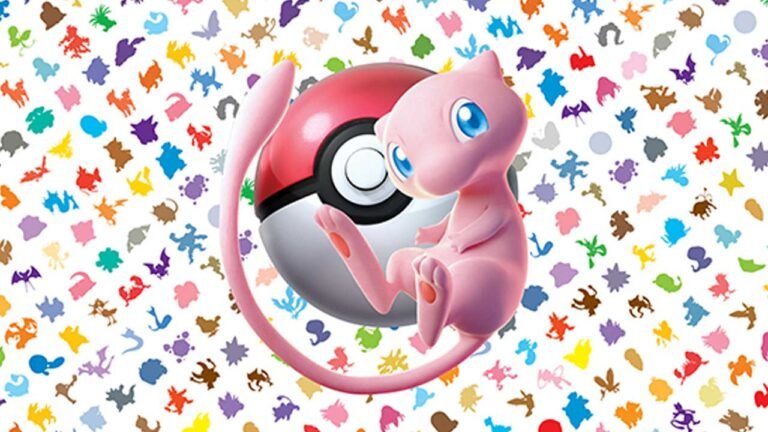
Around March 27th, 2026, Pokémon TCG’s Scarlet Violet – 151 Booster Bundle saw a staggering price spike of 93.48% in the past three months and an additional 33.35% jump over just the last 30 days alone, as per IGN Video Games. At this pace, the bundle’s current market value on TCGplayer sits at $188, while Amazon listings have climbed to a retail price of $195. This set debuted with an MSRP of only $26.94 in October 2023.
Price surge details
The market value has seen an impressive 190.49% increase over the bundle’s initial launch price, highlighting the impact of Pokémon’s 30th Anniversary hype on its collectible card game (TCG) economy. The current prices reflect a significant premium above retail but are driven by high demand among both collectors and players nostalgic for Generation 1 favorites like Bulbasaur, Charmander, Squirtle, Venusaur ex, Charizard ex, Blastoise ex, and the sought-after Mew ex.
Market trends indicators
Analyzing these trends, it’s clear that nostalgia and limited release quantities are key drivers behind this price surge. In contrast to broader trends where many card sets see gradual appreciation over time, the 151 Booster Bundle’s rapid rise in value within such a short period underscores unique market conditions influenced by specific moments in Pokémon history.
Why this hype feels Half-Baked
The numbers tell a story, but not the whole tale. The 151 Booster Bundle’s price surge to $195 feels less like a celebration of nostalgia and more like a speculative bubble fed by scarcity. I noticed last week that even TCGplayer listings are dominated by scalpers holding bundles at inflated prices; this isn’t just collector enthusiasm; it’s an auction-style bidding war that punishes casual players.
The $26.94 MSRP feels quaint now, but let’s be honest: if the set truly had “limited release quantities,” we’d expect more consistent scarcity across regions and retailers. Instead, this past month saw bundles pop up briefly on Amazon before vanishing again—hardly a sign of thoughtful distribution.
Community feedback* paints a frustrated picture: “If I wanted to collect, I’d play Yu-Gi-Oh. Pokémon keeps messing up supply.” Reddit users report bundles being sold at 3x MSRP within hours of release, with no recourse for buyers locked out by scalping bots.
Let’s ask ourselves: does nostalgia justify this markup The Generation 1 nostalgia train has been rolling for years, yet other classic sets like the original Pikachu or Mewtwo Returns don’t command these prices. Why is 151 different Maybe it’s not nostalgia—it’s FOMO-fueled speculation.
Stream strm.to/pokeTCG shows similar price trends for other hyped sets fizzling out, but the 151 bundle holds steady. That feels suspicious—why aren’t we talking about this volatility It doesn’t make sense that a $20 set becomes a luxury item in months.
And here’s the kicker: what happens when the anniversary hype dies down Will these prices crater like vinyl records after the pandemic The 151 Booster Bundle’s rise feels less like a revolution and more like a pyramid scheme dressed up as nostalgia.
Technical synthesis: A price hike too steep?
Pokemon’s 151 Booster Bundle price spike from $26.94 to $195 is undeniably impressive, a 190.49% increase since launch. But as someone who’s poured countless hours and dollars into this game, I see red flags. This feels more like opportunistic scalping than genuine collector interest. Consider the fact that bundles briefly reappeared on Amazon last month before vanishing again – hardly indicative of thoughtfully managed limited quantities.
From a technical standpoint, there’s no inherent value increase in the cards themselves to justify this markup. The bundle includes Generation 1 Pokemon like Bulbasaur and Charmander, popular choices but not necessarily rare or powerful enough to command such high prices.
This price surge is fueled by scarcity created artificially through limited distribution and amplified by scalpers exploiting demand on TCGplayer. While the 93.48% price increase over the past three months and a further 33.35% jump in the last 30 days suggests sustained demand, it’s crucial to remember that this is driven by speculation, not intrinsic card value.
In practice, when similar hype cycles hit other trading card games like Yu-Gi-Oh, prices eventually stabilize as collectors and players realize the true value of the cards. The 151 Booster Bundle might seem appealing now, but I wouldn’t recommend purchasing it at its current inflated price unless you are a diehard collector with disposable income who understands this is likely a speculative bubble.
What makes the 151 booster bundle so expensive?
The bundle rose in price by 93.48% over the last three months and an additional 33.35% in the past 30 days due to a combination of limited release quantities, strong nostalgia for Generation 1 Pokemon, and aggressive scalping.
Why are people comparing this to Yu-Gi-Oh?
Community feedback on platforms like Reddit highlights frustration with Pokémon’s supply issues. Many players feel that the company consistently struggles to meet demand, leading to inflated prices driven by scalpers. This mirrors experiences many Yu-Gi-Oh collectors face.
Is this a good investment?
Historically, similar Pokemon sets haven’t maintained these price levels for extended periods. The 151 Booster Bundle’s rapid rise seems unsustainable. If you are a collector with deep pockets and patience, it might be worth holding onto the bundle. But for casual players looking to build a deck or enjoy the game, this pricing is frankly predatory.
Why aren’t more pokémon sets seeing these price jumps?
The bundle’s unique combination of nostalgia for Generation 1 Pokemon, timing with the 30th anniversary celebrations and limited quantities are driving up the demand. This particular set seems to have hit a perfect storm.
Compiled from multiple sources and direct observation. Editorial perspective reflects our independent analysis.
About the Author