There is a strange electricity in the digital air today. It’s Wednesday, February 25, 2026, and the weekend ahead is shaping up to be one of the most baffling scheduling anomalies in recent PlayStation history. According to Rock Paper Shotgun Latest Articles Feed, Sony is opening the floodgates tomorrow for not one, but two of its most critical upcoming multiplayer titles.
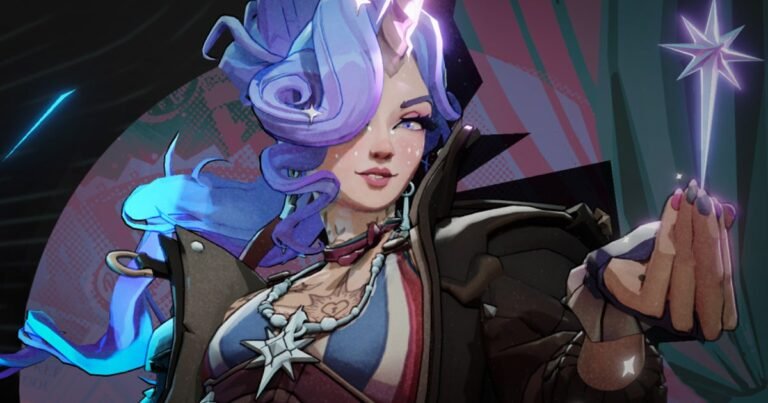
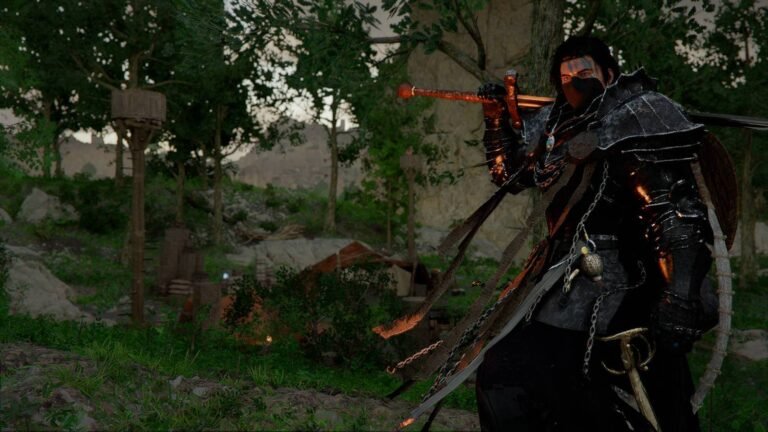
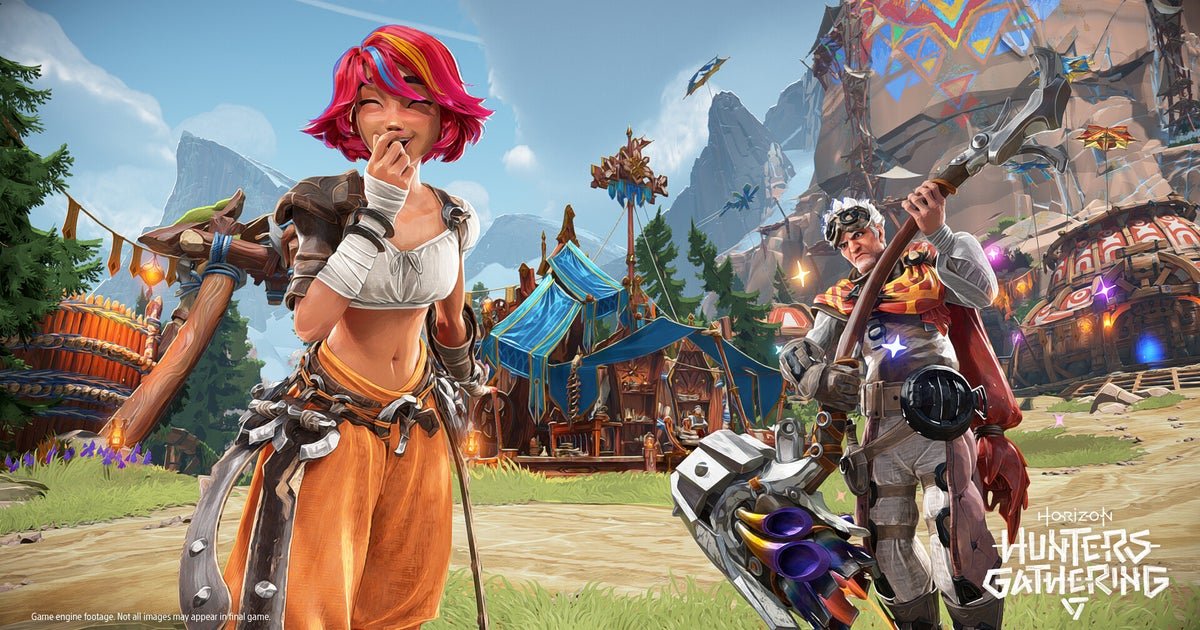
On one side of the ring, we have Bungie. They are finally lifting the velvet rope on Marathon for a massive server slam running from February 26th through March 2nd. On the other side, Guerrilla Games is suddenly stepping into the exact same spotlight. They just confirmed that their newly announced spin-off, Horizon Hunters Gathering, will run its own highly restricted playtest from February 27th to March 1st.
Two massive live-service gambles. One parent company. The exact same weekend. It begs a very obvious question. Why is Sony deliberately forcing its own studios into a cage match for our weekend bandwidth?
The Great PlayStation Traffic Jam
Let’s look at the sheer logistics of what Guerrilla is asking players to do. The Horizon Hunters Gathering playtest isn’t just a free-for-all open download. You have to actively sign up through PlayStation’s beta program. Even if you clear that hurdle, you aren’t guaranteed a spot.
But here is where it gets genuinely restrictive.
If you do get picked, you don’t get the whole weekend to play. Guerrilla is enforcing incredibly tight time slots. European players get a three-hour window from 7 PM to 10 PM CET. North American players get their shot from 4 PM to 7 PM PST. That is three hours a day. Three hours to download updates, bypass inevitable server queues, and actually try to shoot off some robot dinosaur armor plates.
This test is running on both PS5 and PC via Steam, which is standard practice for Sony’s multiplayer offerings these days. But overlapping this incredibly narrow, high-friction playtest with Bungie’s wider Marathon server slam feels like organizational chaos.
We are watching a publisher effectively stress-test its entire corporate strategy in a single 72-hour window. It’s either absolute genius or sheer organizational chaos.
— Antigravity Editorial Desk
Live service games live and die by their momentum. You want streamers playing your game. You want Twitter flooded with clips. You want Discord servers buzzing. By running these concurrently, Sony guarantees that the conversation will be fractured.
A Glimpse Inside the Horizon Spin-off
So, what exactly are the chosen few getting to play in Guerrilla’s slice of the pie? Despite the brief daily windows, there is actually a decent chunk of meat on the bone.
Players will get their hands on three distinct characters. You’ll be dropped into a single explorable biome, which serves as the backdrop for a couple of different game modes. The first is “Machine Excursion,” which sounds like your standard wave-based survival mode. You and your friends against increasingly aggressive herds of Watchers, Scrappers, and Thunderjaws.
But the second mode is where things get genuinely interesting. It’s called “Cauldron Descent.”
Sources describe this as a Hades-esque experience. Sony has been flirting with roguelike genre mechanics for a while now — look at the phenomenal success of the Valhalla DLC for God of War Ragnarok or the tower mode in The Last of Us Part II Remastered. Applying a run-based, randomized progression structure to Horizon’s incredibly tight, tactical bow combat makes absolute sense. It might just be the secret sauce this spin-off needs to survive.
You also get access to a social hub to test out campsite customization. Because what is a modern multiplayer game without a place to show off the cosmetics you’ll eventually buy?
Just don’t expect a flood of YouTube videos dissecting the meta on Monday morning. The whole thing is locked tightly behind a Non-Disclosure Agreement. Players are supposed to keep their mouths shut. Naturally, someone will leak footage for five seconds of Reddit fame, but the official channels will stay dark.
The Brutal Reality of the Live-Service Market
To understand why this weekend feels so frantic, you have to zoom out and look at the corner Sony painted itself into.
A few years ago, PlayStation leadership decided they needed a piece of the infinite revenue pie generated by games like Fortnite and Apex Legends. They bought Bungie specifically for their live-service expertise. They greenlit dozens of multiplayer projects. Then, reality hit them like a brick wall.
The market was already saturated. According to Newzoo’s global gaming market analysis published in early 2024, older established titles command over 60% of total playtime on PC and consoles. Players are entrenched. They don’t want to leave their current obsessions to grind a new battle pass.
Sony realized this the hard way. Back in late 2023, Bloomberg reported that Sony was drastically scaling back their live-service ambitions, cutting their projected pipeline of twelve massive multiplayer games down to just six.
Concord came and went. Helldivers 2 caught lightning in a bottle, proving that mid-budget PvE could work if the vibe was right. The Last of Us Factions was taken out back and quietly canceled. Which brings us to today.
Marathon and Horizon Hunters Gathering are the survivors. They are the remnants of that original, highly ambitious push. Sony cannot afford for either of them to fail.
The Cannibalization Counterargument
I mentioned earlier that running these tests simultaneously seems baffling. But let’s play devil’s advocate for a minute. Maybe it isn’t an accident.
Perhaps Sony is looking at the target demographics and deciding there is minimal overlap. Marathon is a high-stakes, hyper-competitive PvP extraction shooter. It targets the sweaty, caffeine-fueled crowd that spends thousands of hours in Escape from Tarkov or Valorant. It’s brutal. It’s punishing.
Horizon Hunters Gathering is co-op PvE. It’s about teaming up with friends, shooting glowing weak points on robot animals, and decorating a campsite. It targets the Monster Hunter crowd. The players who want a challenge, but don’t want to be teabagged by a teenager who hasn’t blinked in four minutes.
Is Sony using this to test their backend infrastructure?
Almost certainly. If the PlayStation Network and their unified cross-play servers can handle hundreds of thousands of PC and PS5 players simultaneously slamming the login screens for two different high-profile betas, they can handle anything launch day throws at them.
By running them together, Sony might be intentionally stressing their network architecture. If things break this weekend, they break in a controlled, “it’s just a beta” environment. No permanent harm done.
Looking Ahead
If you don’t get into the Horizon playtest this weekend, don’t panic. The official sign-up page explicitly states there will be more opportunities to try the game later in 2026. This is just the first, highly restricted toe-dip into the public pool.
But the pressure is undoubtedly on. Guerrilla Games is taking one of PlayStation’s most beloved single-player worlds and trying to stretch it into a forever game. Bungie is trying to prove they still have the magic that birthed Halo and Destiny.
Tomorrow, the servers go live. Millions of players will try to log in. Some will fight other players for alien artifacts. Others will fight mechanical T-Rexes for crafting parts. We’ll see if Sony’s servers — and their long-term strategy — can hold the weight.
Reporting draws from multiple verified sources. The editorial angle and commentary are our own.
About the Author