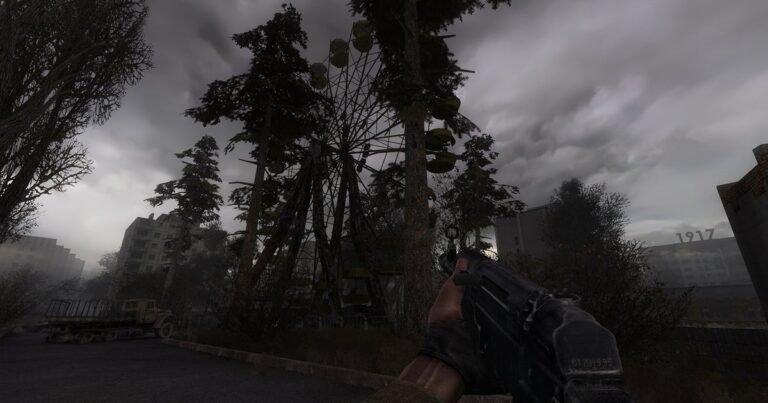
My desktop is currently a graveyard of good intentions. Yours probably is, too. Every single February, without fail, the shortcuts multiply — the hard drive groans under the weight of them — and the backlog sits there, silently judging everything you claim to be.
Per Rock Paper Shotgun’s latest coverage, we are officially knee-deep in another Steam Next Fest. A season dedicated, almost entirely, to stocking up on unfinished business. Enthusiastically, we litter our screens with dead-end executable files, downloading thirty promising indie demos with the absolute, unwavering certainty that we will play exactly three of them. Unless, of course, you happen to be RPS supporter Mr_B. Based on internal murmurs, that one person alone accounts for a staggering share of Valve’s download traffic these days.
This is what we do now. We feed the Maw. We gorge on vertical slices of games that might not see a full release until the next presidential administration.
The Strange Ritual Of Collecting Games You’ll Never Play
There is a genuinely peculiar psychology behind our collective obsession with demo festivals. Back in the physical media era, getting your hands on a playable slice of an upcoming game meant buying a hefty magazine with a CD-ROM taped to the cover. An event. A ritual. Today, that friction has evaporated entirely — Valve simply opens the floodgates and dares you to drink from the firehose.
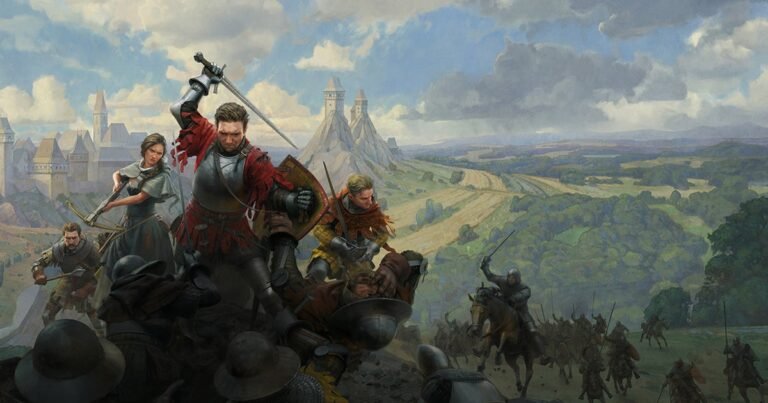
The sheer scale of the platform resists easy comprehension. According to historical tracking data on Steam’s growth, the storefront sees well over 14,000 new games released annually. As of early 2026, that velocity has only accelerated. We are drowning in interactive media. When Next Fest rolls around, it triggers a very specific brand of choice paralysis — you stare at a curated grid packed with pirate simulators, pinball roguelikes, and deep narrative RPGs clearly chasing that old Witcher magic.
You download them all. You play none of them.
We actually skipped the whole massive “Wishlisted” feature this year. The reason is simple, and slightly depressing: a chronic shortage of wishfulness, brought on by our collective advancing age and the exhausting reality of keeping pace with an industry that never sleeps. Emotionally, I simply lack the bandwidth to hype up a fascinating prototype that might hit early access in three years. Instead, the editorial strategy has morphed into something violently present-tense — write up the hottest demos exactly as they arrive. A dramatic departure from our regular news coverage of… well, writing up the hottest demos as they arrive.
Meanwhile, Capcom Showed Up And Ended The Conversation
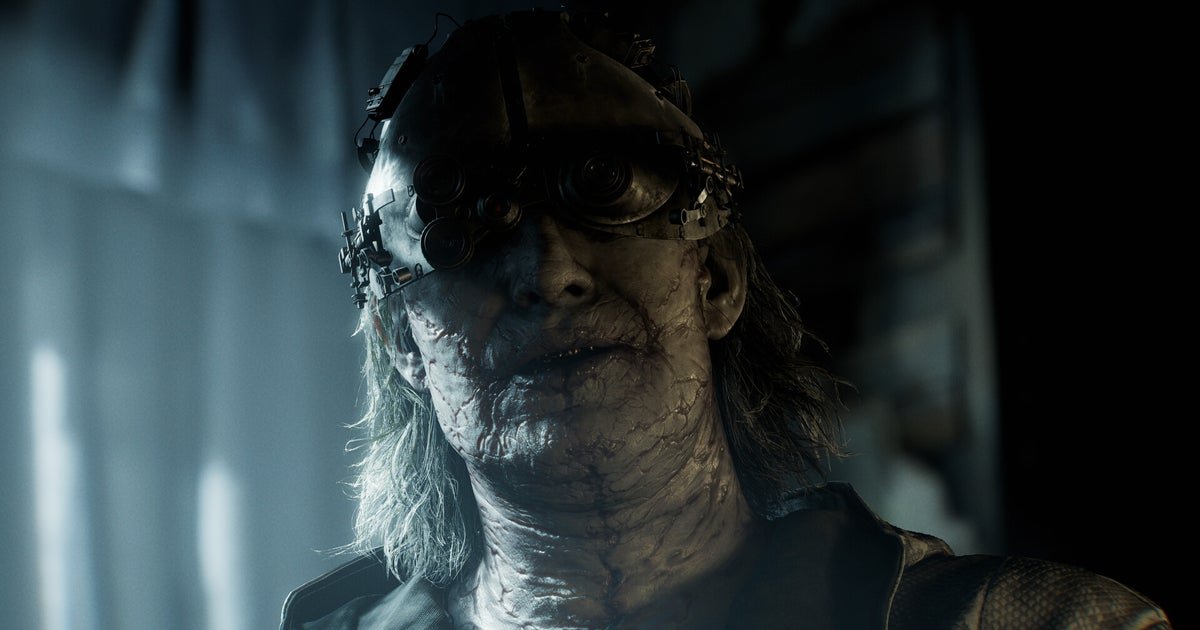
Against all of this, the indie prototypes are fighting a losing battle. Capcom dropped Resident Evil Requiem this week, and it is currently dominating the PC, PS5, and Xbox Series X conversation with the confidence of something that knows it has already won. You cannot escape it.
Personally, I have finally reached the sequence featuring the ghastly girlboss from last year’s Summer Game Fest demo — that highly orchestrated, tension-wrung preview that SGF 2025 used to tease her terrifying presence. In practice, encountering her in the retail build hits on an entirely different register. Capcom understands pacing and dread better than almost anyone else operating at the AAA level right now. They know precisely how to engineer a viral moment without gutting the survival horror mechanics that put them on the map in the first place.
Then there is the quiet agony of the pre-release embargo.
Callum and Jeremy are significantly further along in the campaign than I am — vibrating, visibly, with strong opinions about late-game mechanics and narrative twists they are legally forbidden from airing in public. James managed to snag a review code as well. The internal Slack channel has become a minefield of redacted spoiler tags. Everyone is playing it. Everyone has thoughts they cannot say out loud.
Game discovery isn’t just broken; it’s a completely different sport now. You aren’t competing for money anymore. You are competing for the rarest commodity on earth: a tired adult’s Tuesday evening.
And then there is Mark.
Pour one out for Mark — sitting quietly on the periphery of this massive, zombie-fueled cultural moment, desperately trying to finish a compelling piece about an indie game involving rats. It perfectly encapsulates the duality of the modern games media diet. On one screen, a multi-million dollar horror epic engineered to shatter Twitch records. On the other, a solo developer’s passion project about rodents. Both are real. Both matter. The industry contains multitudes, and most of them are currently ignoring Mark’s rats.
The Studios Brave — Or Foolish — Enough To Launch Into The Storm
Credit where it is due: certain indie developers possess a specific kind of audacity. While the overwhelming majority of the industry uses Next Fest to showcase early prototypes, a handful of studios arrive with the scandalous idea of unleashing complete, finished games directly into the chaos of playtests.
Enormous gamble. Cutting through the ambient noise of a standard release week is already a feat bordering on the miraculous. Doing it during a week when millions of players are specifically hunting for free demos sounds, on paper, like professional self-sabotage. Yet, somehow, it occasionally works.
Why? Because the audience is shifting. A 2024 report from the Entertainment Software Association noted that a growing majority of adult players actively seek out shorter, sharply focused experiences to fit inside their shrinking schedules. When subscription fatigue and massive open-world burnout are both running hot, a punchy, finished indie game starts looking remarkably appealing — even if it launches in the middle of demo week, surrounded by free prototypes.
Is it counterintuitive? Absolutely. Does it occasionally land anyway? Ask the developers who pulled it off.
The contrast, honestly, is what makes the PC ecosystem so compelling right now. You can jump from the bleeding-edge graphical fidelity of the RE Engine straight into a lo-fi deckbuilder without missing a beat — the hardware absorbs the whiplash without complaint. Whether you are hunched over a high-end rig or stretched out on the couch with a handheld, the delivery mechanism for these experiences has never been more frictionless. That ease of access is a double-edged thing: wonderful for players, genuinely terrifying for developers trying to stand out.
Somewhere Under The Noise, Something Worth Finding
So. What are you actually doing this week?
Feeding the Maw? Meticulously reorganizing your Steam library, maintaining the polite fiction that you will eventually get around to that quirky farming simulator from 2023? Or are you sprinting for your life through Capcom’s latest biological nightmare, too deep in the tension to check your notifications?
No wrong answers here. The strange gift of this particular week in February — and it is a gift, even when it feels overwhelming — is the sheer breadth of interactive work available at your fingertips at any given moment. Yes, the backlog is an imposing thing. Yes, the AAA marketing apparatus is deafeningly loud, and the embargoed review codes and SGF trailer cycles can make the whole enterprise feel like a machine running on hype fumes. But buried underneath all of it, genuinely surprising things are still being made by people who care deeply about making them. There are still Witchers waiting to be discovered. There are still pirates and pinballs and, apparently, rats.
Closing the desktop now. Twenty shortcuts need deleting. And then — I need to go find out what Mark has been writing about those rats.
Reporting draws from multiple verified sources. The editorial angle and commentary are our own.
About the Author