It feels like we’re standing at a bit of a crossroads in the gaming world right now, doesn’t it? And honestly, it’s not the exciting kind where you’re deciding between two legendary pieces of DLC or picking your starter Pokémon. It’s more like the kind where you’re staring at your bank account, looking at the rising cost of living, and wondering if you actually need that next-gen upgrade after all. According to the latest ripples across the Eurogamer.net feed, the vibe is shifting. For a while now, we’ve been fed this dream that generative AI is going to revolutionize everything—from NPCs that actually remember your name to procedural worlds that never end. But as we sit here in February 2026, the reality is starting to feel a lot more sobering. It turns out AI hasn’t just come for the artists and the coders; it’s come for the silicon itself, and it’s making our hobby a whole lot more expensive.
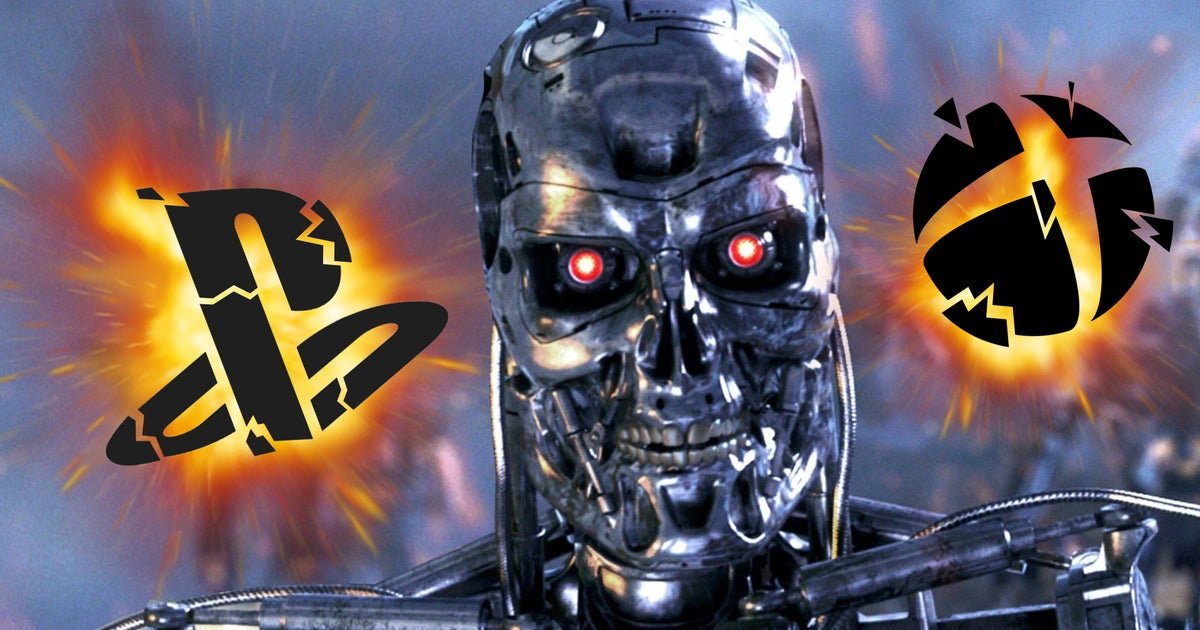
The tech giants are currently locked in an AI arms race that makes the Cold War look like a minor playground spat. Seriously, the scale of it is staggering. Every single scrap of high-bandwidth memory (HBM) and every spare GPU cycle is being aggressively funneled into these massive, energy-hungry data centers. Why? To power the next iteration of what many are calling “slop” generators—LLMs that can write mediocre poetry or generate weirdly-fingered images. And who’s stuck picking up the tab for all this infrastructure? Well, we are. Whether it’s the Steam Deck being perpetually in short supply or the looming, dark shadow of a delayed PlayStation 6, the message is loud and clear: the chips are down, and they’re all being used to train chatbots instead of rendering our favorite open-world RPGs. It’s a frustrating pivot for anyone who just wants to play a game without subsidizing a Silicon Valley fever dream.
The Silicon Drought: Why AI is Suddenly the Ultimate Boss Fight for Gamers
But here’s the kicker—maybe a delay isn’t the absolute disaster the marketing departments want us to believe it is. I mean, think about it. If the price of “progress” is a console that costs more than a decent used car, I’m perfectly happy to sit this one out for a few more years. We’ve reached a point where the phrase “next-gen” feels more like a threat to our life savings than a promise of genuine innovation. Do we really need more power if it comes at such a staggering financial cost? I’d argue we don’t. Not yet, anyway.
Let’s talk numbers for a second, because they’re getting genuinely scary. When the PS5 Pro launched back in late 2024 at that eye-watering $700 price point, it felt like a massive trial balloon. Sony was clearly testing the waters to see exactly how much we’d be willing to bleed for a few extra frames per second and some slightly sharper shadows in the distance. And now? With AI-driven component shortages driving up the cost of RAM and processing power to unprecedented levels, those whispers of an $800 or even a $900 PS6 don’t sound like hyperbole anymore. They sound like a very real warning of what’s to come. It’s enough to make even the most hardcore enthusiast pause and reconsider their priorities.
“If the next generation of consoles brings a price tag that means I can’t afford to eat for a couple of months if I buy one, well that kind of ruins the thrill.”
Ian Higton, Eurogamer
Ian hits the nail on the head there. According to a 2024 Statista report, the global average price of gaming hardware has been steadily climbing at a rate that far outpaces general inflation. It’s a double whammy, really. When you combine that hardware hike with the rising cost of $70 (and increasingly $80) games, the hobby is rapidly transforming into a luxury pursuit. For the average teenager saving up their allowance or the parent trying to balance a mortgage and a grocery bill, the “must-have” launch day purchase is becoming an “I’ll wait for the slim model” aspiration. And honestly? That might be the healthiest thing to happen to the gaming industry in years. A little forced patience might actually do us all some good.
The Guilt of the Unplayed: Why Your Current Console Still Has Plenty of Life Left
Does anyone else feel like we’ve barely even scratched the surface of what the current machines can actually do? I know I do. We spent the first three years of the PS5 and Xbox Series X era playing cross-gen titles that were essentially shackled to the aging architecture of the PS4 and Xbox One. It’s only very recently that we’ve seen games like Grand Theft Auto VI really start to push the boundaries of what this hardware can achieve. If we jump to the PS6 now, we’re just resetting the clock on another five years of “cross-gen” compromises and holding back developers. Why not let this generation actually breathe for once?
There’s also the small matter of what I like to call the “Backlog of Doom.” A 2023 report from SteamDB noted that over 14,000 games were released on Steam in that year alone. Let that sink in for a second. Even if you only care about the top 1% of those releases, that’s hundreds—if not thousands—of hours of entertainment sitting right there in your library, unplayed and unloved. Why are we so obsessed with the next shiny box when most of us haven’t even finished the masterpieces we already own? The current generation has plenty of life left in it, provided developers stop chasing the AI dragon and start focusing on actual optimization and creative storytelling.
And let’s be real for a minute: are the leaps in graphical fidelity even that noticeable anymore? We’ve moved from the “wow, look at those pixels” era to the “I think the light reflects slightly more realistically off that puddle if I squint and pause the game” era. We are deep into the law of diminishing returns, folks. If the PS6 just offers “more of the same but way more expensive,” I’d much rather the industry take a collective breath and figure out what actual, meaningful innovation looks like. Is it better AI for enemies? More immersive physics? Give me something more than just more teraflops that I can’t even see.
The Hype Cycle vs. The Reality Check: Do We Really Need a New Generation?
There is, of course, a counter-argument to all this. As Eurogamer’s Bertie Purchese has pointed out, console generations are a bit like the seasons. They provide a rhythm to the industry. They create these “periscope moments” where the mainstream media suddenly pays attention to gaming again, bringing it back into the cultural conversation. Without that hype cycle, the industry can start to feel like it’s stagnating. We need the “new” to bring in the newcomers, to spark the curiosity of people who don’t follow every minor patch note or balance nerf on Reddit. It keeps the blood pumping, so to speak.
But seasons can be destructive too, if they get out of whack. If winter lasts too long, things die; if summer is too hot, everything burns. Right now, the “AI Summer” is threatening to scorch the entire hardware market. If we force a new generation into existence before the technology is actually affordable for the average person, we risk creating a fractured market where only the elite can afford to play the latest titles. That’s not a healthy “season”—that’s an ecosystem collapse. We need a beginning that feels like a fresh start for everyone, not a massive financial burden that leaves half the community behind.
Is the PS6 actually delayed?
While Sony hasn’t officially confirmed a specific date yet, industry analysts and various reports suggest that the “AI tax” on components and the extended lifecycle of the PS5 Pro have pushed internal targets back. We’re likely looking at a 2027 or 2028 release window rather than the traditional five-year cycle we’ve grown used to. Honestly, that might be for the best.
Why is AI making consoles more expensive?
It’s all about supply and demand. Modern AI models require massive amounts of high-speed RAM and specialized processing cores. This has created a global shortage of the exact same components used in gaming consoles and handhelds like the Steam Deck. This competition is driving up manufacturing costs for giants like Sony, Microsoft, and Nintendo, and those costs are inevitably passed down to us.
Back to the Future: Why Your Old Consoles Might Be the Only Sane Choice Left
If the future is looking overpriced, under-optimized, and generally a bit bleak, maybe the answer actually lies in the past. There’s a growing movement—a “Retro Renaissance” of sorts—among younger gamers who have been completely priced out of the 4K/120fps arms race. And it’s not just about nostalgia for people who grew up with a SNES or a Genesis; it’s about discovery for a generation that realizes a PS2 and a bag of used games from a local thrift store offers more fun per dollar than a buggy, microtransaction-laden “live service” title on a $500 machine. There’s a certain purity to it that’s hard to ignore.
Imagine a world where teenagers are trading Xbox 360 discs like they’re rare vinyl records. There’s something tactile and honest about that experience. You put the disc in, the game starts, and you just… play it. No day-one patches that take three hours to download, no “always-online” requirements to play a single-player campaign, and certainly no AI-generated slop filling up the screen. You’ve got masterpieces like BioShock, Halo, and Spec Ops: The Line just waiting to be rediscovered by a whole new audience. If the high cost of the PS6 forces people back to the classics, that might be the best accidental outcome of this whole mess. It reminds us why we fell in love with gaming in the first place.
At the end of the day, gaming is about the experience and the joy of play, not the specs on a box or the number of TFLOPS under the hood. Whether you’re waiting patiently for the PS6 or digging an old Wii out of the attic to play some Mario Kart, the goal remains the same. But if the tech giants want us to keep following them into the future, they need to make sure we can actually afford the ticket for the ride. Until then, I’ll be over here with my backlog, a classic controller, and a very happy bank account, perfectly content to wait. The future can wait; I’ve still got games to finish.
This article is sourced from various news outlets. Analysis and presentation represent our editorial perspective.
About the Author