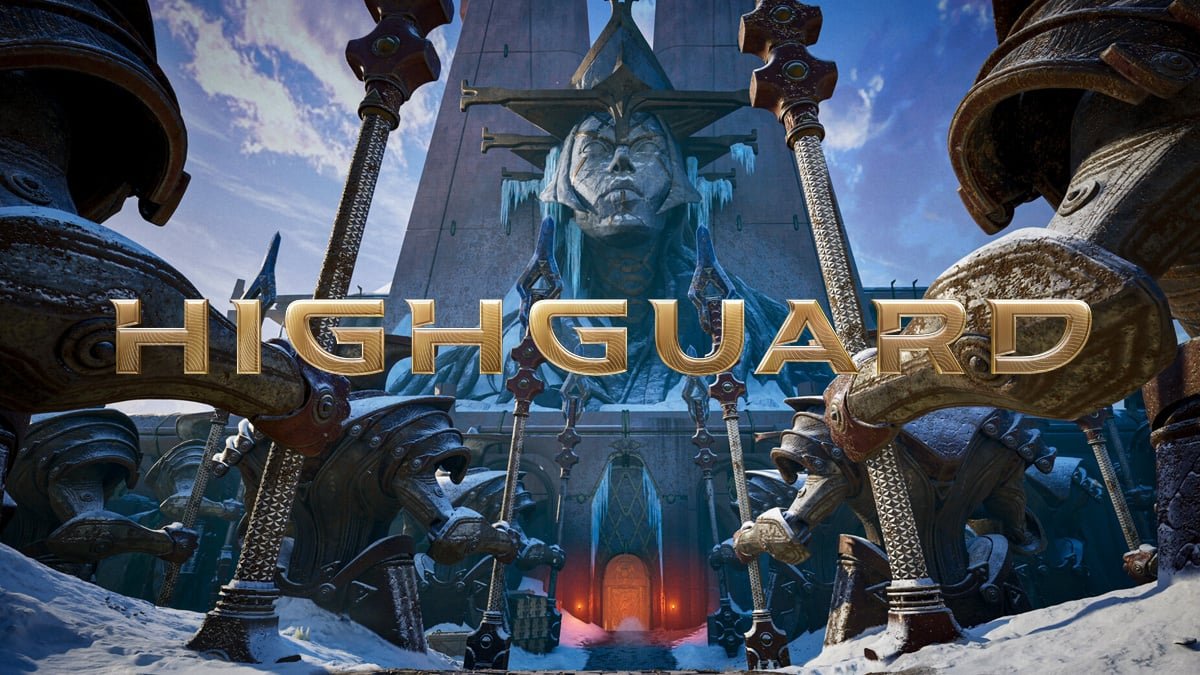
It has been a genuinely brutal few months for the team over at Wildlight Entertainment. If you cast your mind back to the high-octane buzz of The Game Awards 2025, there was this palpable sense that their shooter, Highguard, was destined to be the “next big thing” across both PC and PS5. The pedigree was there, the trailers were sharp, and the industry was watching. But fast forward to today, and the reality has been—well, calling it a train wreck might actually be an understatement. According to the latest reporting from Gamebrott.com, the conversation surrounding the game has taken a sharp, uncomfortable turn. We aren’t just asking “can this game survive?” anymore; the narrative has shifted into a much more defensive, finger-pointing territory: “Whose fault is it that this game died on the vine?”
The spark for this latest firestorm came from Josh Sobel, a former Technical Artist and Rigger at the studio. Sobel was unfortunately one of the many casualties in the recent wave of layoffs at Wildlight, and he recently took to X (the platform we still all call Twitter) to let off some serious steam. And let me tell you, he didn’t pull any punches. His core argument? That gamers—you, me, and the person next to us—are a primary reason why Highguard never managed to find its footing. It’s an incredibly bold stance to take, especially when you’re standing in the middle of the wreckage of a studio that just offloaded a massive portion of its creative talent. But it forces us to look at a difficult question: Is he actually onto something, or is this just the understandable, raw lashing out of a creator who watched two and a half years of his life get “review bombed” into the ground?
When the TGA Spotlight Fades into a Cold, Hard Launch
I distinctly remember sitting on my couch watching The Game Awards back in December 2025. When the trailer for Highguard hit the screen, it looked undeniable. It had that specific Wildlight DNA—we’re talking former Respawn developers who know how to make movement feel like butter, paired with a visual aesthetic that felt like a breath of fresh air in a genre that often feels like a sea of gray and olive drab. In his posts, Sobel talked about how that specific moment was what the entire team had been living for. They’d spent over two years meticulously crafting this world, and they were finally ready to hand it over to the players. They expected a warm welcome, maybe even a standing ovation; instead, they got a bucket of ice water and a very loud cold shoulder.
The thing we have to admit—even if it’s painful for the developers—is that the shooter market in 2026 is absolutely suffocating. It’s not just crowded; it’s packed to the rafters. If you look at the 2024 data from Newzoo, the shooter genre accounts for about 20% of all playtime on PC and consoles. That makes it the most competitive, high-stakes arena in the entire industry. When Highguard finally dropped, it wasn’t just going head-to-head with titans like Apex Legends or the annual Call of Duty machine. It was competing for something much more valuable: *time*. In 2026, time is the one currency that gamers are incredibly stingy with. We’ve seen this exact tragedy play out before—look at the total collapse of Concord or the uphill battle 2XKO faced in its early days. If you don’t hook the audience within the first fifteen minutes, you aren’t just struggling; you’re basically dead on arrival.
Sobel’s frustration is rooted in a very specific set of numbers. Highguard was hit with over 14,000 negative reviews within its first few days on the market. The kicker? A huge chunk of those reviews came from people who hadn’t even spent an hour in the game. To a developer like Sobel, that doesn’t feel like a critique of the mechanics or the balance; it feels like a coordinated hit job. He watched as people turned his team’s hard work into a “candaan”—a joke or a meme for the internet to chew on. And honestly? I can see why that would cut deep. Imagine pouring your heart and soul into rigging a character model, perfecting every joint and movement, only to have a teenager on TikTok use a five-second clip of it as a punchline for why “AAA gaming is officially dead.” It’s demoralizing, to say the least.
Is the Internet Rooting for Failure, or Just Being Honest?
There is a very thin, very blurry line between a genuine “review bomb” and a collective, organic “no thank you” from the market. Sobel’s argument is that the internet has developed a weird, almost obsessive hobby of rooting for games to fail. He pointed out how online discourse quickly lumped Highguard in with titles like Concord, using them as Exhibit A in a trial against “developer arrogance.” From his perspective, the gaming community didn’t even give Wildlight a fair shake. They looked at the box art, read a few tweets, and decided the game was a failure before the download bar had even reached 10%.
“It’s not entirely the gamers’ fault, but they certainly played a role. Every product that reaches consumers and faces a deliberate effort to be smeared… well, those efforts worked.”
Josh Sobel, Former Wildlight Entertainment Developer
But we have to look at the other side of that coin, too. There’s an editorial reality here that we can’t ignore. A 2025 study from Statista found that nearly 40% of gamers cite user reviews as the single most influential factor when they’re deciding whether or not to drop money on a new game. If you’re a casual player browsing Steam or the PlayStation Store and you see 14,000 people shouting “don’t buy this,” you’re going to keep scrolling. You aren’t going to do a deep dive into whether those reviews are “fair”—you’re just going to protect your wallet. Is that “coordinated hate,” or is it just a market reacting to a product it simply didn’t want? The real sting for Sobel is the feeling that the *effort* wasn’t respected. But the hard truth of a capitalistic hobby is that effort doesn’t buy you loyalty. Quality, “the vibe,” and timing are the only things that matter in the end.
Lately, we’ve seen a massive shift where players are ditching the big-budget spectacles for indie multiplayer titles that feel like they have a “soul.” You see these sudden, explosive bursts of popularity for games that don’t have $100 million marketing budgets but feel genuine. Sobel’s parting shot on social media was a bit of a warning: he noted that people claim they want indie-style passion, but when a studio like Wildlight actually tries to deliver something, the community doesn’t even give them the benefit of the doubt. It’s a “you’ll miss us when we’re gone” sentiment that, while understandable, feels a bit like a guilt trip directed at a group of people who just wanted to play something fun.
Breaking the Cycle of Developer vs. Player Hostility
Look, I’ve been covering this industry for a long time. I’ve watched the “devs vs. gamers” war escalate for over a decade now, and let me tell you: it is never, ever productive. When a developer starts blaming the audience for a project’s failure, it’s usually the final stage of grief. We saw it happen with the fallout from The Acolyte in the TV world, and we’re seeing it more frequently in gaming. But we have to stop and ask: *why* did the audience react this way? Was it purely “toxicity,” or was it a visceral reaction to the live-service fatigue that has been building up in our bones since 2023?
When Highguard walked into the room, the party was already over-capacity. If you walk into a crowded room and start shouting for attention, you can’t really be shocked if people tell you to shut up. The “coordinated hate” Sobel describes is often just a digital feedback loop. One person points out a legitimate flaw, a YouTuber with a million subscribers amplifies it for clicks, and suddenly that one flaw becomes the “universal truth” of the game. It’s wildly unfair, sure. But it’s also the digital ecosystem that developers have to navigate in 2026. You can’t change the nature of the internet; you can only change how you engage with it and what you offer it.
Why did Josh Sobel blame the players for Highguard’s failure?
Sobel voiced the opinion that a “deliberate effort” to smear the game through review bombing and toxic social media trends effectively poisoned the well. He believes this prevented Highguard from ever getting a fair evaluation from the broader public, which directly led to the low player counts and the subsequent layoffs at Wildlight Entertainment.
What platforms was Highguard released on?
The game was launched primarily on PC and PS5. While there were some initial mentions of Xbox support during the early development phases, the vast majority of the community backlash and technical discussion centered on PC platforms like Steam, where the review bombing was most visible.
Are the layoffs at Wildlight Entertainment permanent?
As of mid-February 2026, the studio has confirmed significant staff reductions. While Wildlight hasn’t officially shuttered its doors entirely, the sheer scale of the layoffs has left the future of Highguard—and any planned DLC or updates—hanging by a thread. It’s a “wait and see” situation, but the outlook isn’t great.
The Industry Needs a Mirror, Not a Shield
At the end of the day, the team at Wildlight Entertainment deserved better than to see their years of hard work turned into a disposable meme. Nobody wants to see talented people lose their jobs. But blaming the players is a bit like a chef blaming the customers because they didn’t enjoy a dish that was too salty. You can spend twelve hours a day in the kitchen perfecting the recipe, and you can talk about how much you sacrificed to make it, but if the person at the table doesn’t want to eat it, the restaurant is going to close. Right now, the “restaurant” of AAA shooters is serving way too many dishes that taste exactly the same.
Maybe the real lesson here isn’t that gamers have become “meaner.” Maybe the lesson is that the bridge between developers and their audience has completely collapsed. We need a return to transparency during the development process, more honest and open playtesting, and—if I’m being honest—maybe a few less $70 live-service shooters that feel like they were designed by a corporate committee instead of a creative visionary. Josh Sobel is clearly hurting, and his pain is completely valid. He lost his livelihood. But it’s important to remember that the players didn’t fire him; the market did. And the market is a cruel, unfeeling beast that doesn’t give a damn about your two-and-a-half-year development cycle.
As we move further into 2026, I really hope we start seeing fewer of these “post-mortem” blame games. If we want this industry to not just survive, but thrive, we have to stop treating the audience like the enemy and start treating them like partners in this journey. Until that happens, we’re just going to keep seeing talented, passionate people like Sobel left out in the cold, staring at the ruins of their work and wondering where it all went so incredibly wrong.
This article is sourced from various news outlets. Analysis and presentation represent our editorial perspective.
About the Author