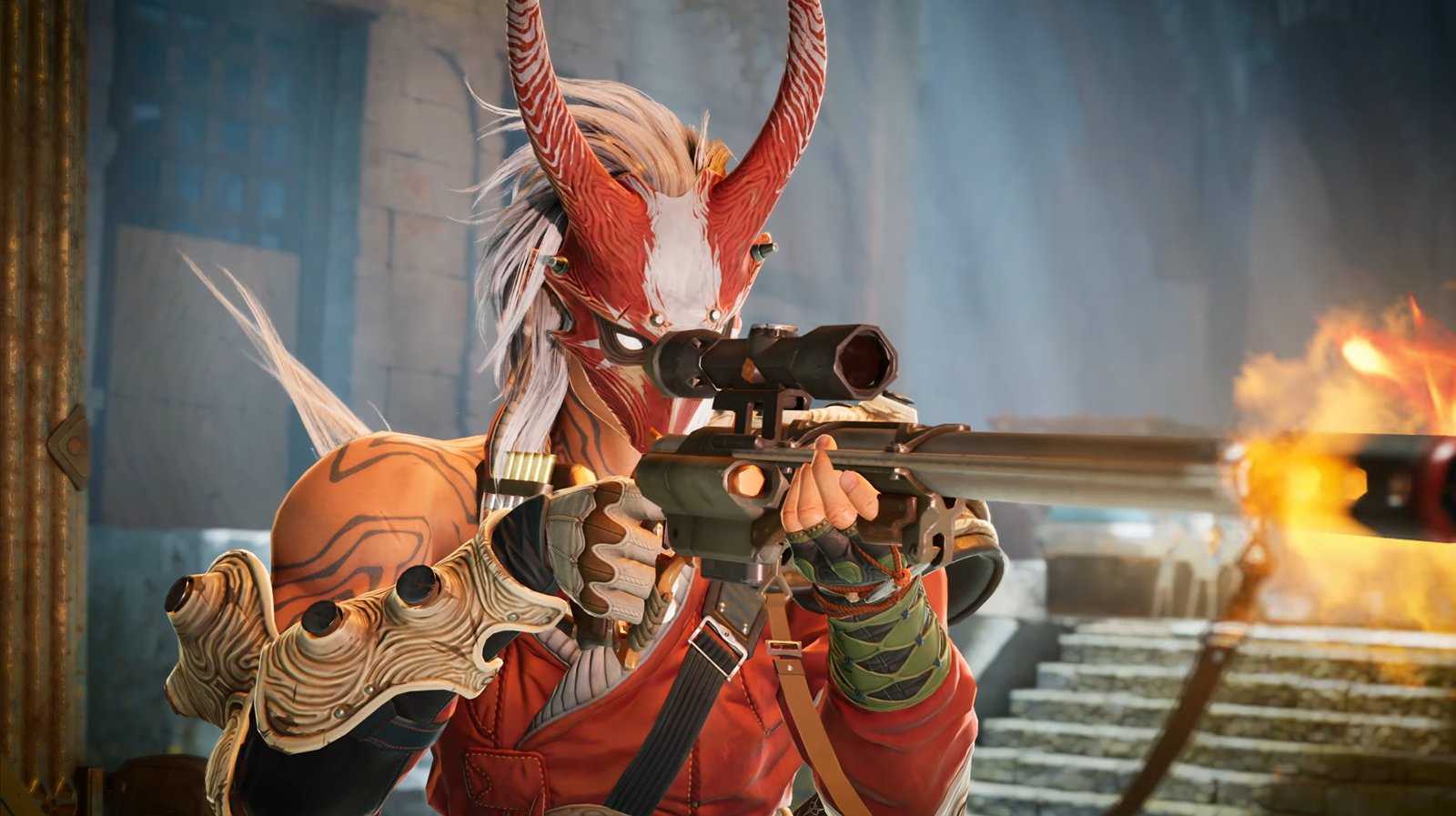
There is a very specific, very modern kind of heartbreak that only really exists in the world of game development. It’s the kind of exhaustion where you spend years—literally thousands of hours of your life—obsessing over the micro-details that players usually take for granted. You’re tweaking hitboxes by the millimeter, rigging character models until they move just right, and trying to balance the “meta” of a digital world that hasn’t even seen the light of day yet. And then, the moment comes. You release it to the world, and within sixty minutes, the internet has already collectively decided it’s garbage. That is exactly the nightmare scenario that played out with Highguard, the latest shooter from Wildlight Entertainment that hit PC, PS5, and Xbox Series X|S late last year. According to reporting from Gamebrott.com, the aftermath has been nothing short of messy, resulting in significant layoffs and a very raw, very public venting session from one of the people who actually built the thing.
Josh Sobel, who served as a Technical Artist and Rigger on the Highguard project, recently took to X (the platform we’re all still calling Twitter) to lay out his perspective. It wasn’t your standard, corporate “thanks for the memories and best of luck to the team” post. It was a vulnerable, somewhat accusatory autopsy of how the gaming community treated the game. Sobel noted that the 2025 Game Awards announcement was supposed to be the high point of his career, a “crowning achievement” moment. Instead, it ended up being the catalyst for a downward spiral. While he didn’t explicitly shout, “This is all your fault,” he certainly leaned into the idea that “bad faith” efforts to tank the game’s reputation were wildly successful. And if we’re being honest? He’s not entirely wrong about the toxicity—but he might be missing the forest for the trees.
The thing is, we’ve seen this movie before. Whether we’re talking about the collapse of Concord or the uphill battle for 2XKO, there is this massive, growing friction between developers who feel they’ve poured their souls into a product and a player base that feels increasingly alienated by the “AAA” formula. When a game fails to find an audience, the easiest target is the person holding the controller. But is that actually fair? Or is blaming the “toxic gamer” just a defense mechanism for a project that simply missed the mark in a market that is already drowning in options?
“Gamer sentiment has the power to dictate the fate of a video game… the effort to actively vilify Highguard really worked.”
Josh Sobel, Former Wildlight Entertainment Developer
When 14,000 people decide you’re finished before the tutorial ends
One of the most staggering statistics Sobel shared was the sheer scale of the “review bombing.” He claimed that Highguard was hit with over 14,000 negative reviews from players who had spent less than an hour actually playing the game. Now, if you look at that from a developer’s shoes, it feels like a coordinated hit job. How can anyone possibly judge two and a half years of collective labor in just 45 minutes? It feels fundamentally unfair. It feels like the “meta” of the modern internet is just to hate things for the sake of engagement and clicks.
But we have to look at the data, even if it’s uncomfortable. A 2025 Statista report on digital consumer behavior found that nearly 60% of negative Steam reviews for major “Live Service” titles are now posted within the first two hours of gameplay. Is that “bombing,” or is it just the modern “vibe check”? Think about the landscape: the average gamer today has a backlog of 50 titles they haven’t touched and a subscription to Game Pass or PS Plus that offers hundreds more. In that environment, you don’t get two hours to “get good” or find the fun. You get about twenty minutes to prove you’re worth the player’s time. If the movement feels a little sluggish or the monetization looks even slightly predatory, that “Uninstall” button is only a single click away. It’s brutal, but it’s the reality.
Sobel’s frustration clearly comes from the fact that people were making “joke” content and memes about the game before they even gave it a fair shake. But that’s the world we live in in 2026. We are living in a meme economy. If your game looks like a “Concord-clone” or just another generic hero shooter, the internet is going to treat it exactly like that. It’s heartbreaking for someone like Sobel, who literally built the rigs for those characters, because it feels personal. But blaming the audience for not being “charitable” enough is a bit like a chef blaming the customers for not liking a complicated dish they never actually ordered in the first place.
The “Indie” pivot and the massive identity crisis facing AAA studios
There was a really fascinating point Sobel made about how players are increasingly abandoning the big AAA studios in favor of indie multiplayer experiences. And he’s absolutely right on the money there. We have seen a massive, seismic shift toward smaller, more agile teams who aren’t terrified to take creative risks. According to a 2024 Newzoo report, 80% of total player time is spent on just 66 titles. Most of those are either established giants or breakout indie hits like Lethal Company or Palworld. The “middle ground” where Wildlight Entertainment tried to plant its flag has essentially become a graveyard for studios lately.
Wildlight Entertainment was supposed to be the exception to the rule. It was founded by industry veterans who wanted to escape the soul-crushing corporate grind and do something better. But somehow, Highguard ended up feeling like the exact thing they were trying to flee. It had all the polish and sheen of a AAA game, sure, but it lacked that intangible “soul” that gamers are currently desperate for. When Sobel says that Wildlight deserved better, he’s talking about the human effort involved. And he’s right—no one deserves to lose their livelihood because a project didn’t find its footing. But the market doesn’t trade in “effort” or “hours worked”; it trades in “value” and “fun.”
And we have to talk about those layoffs. It’s been a truly horrific couple of years for the industry, and seeing talented artists and riggers get cut because a game didn’t hit its “concurrent player” targets is devastating. But when developers start publicly blaming the players for those layoffs, it creates a toxic, self-defeating cycle. It makes the fans feel like they have some kind of “moral obligation” to play a game they don’t actually enjoy, which is the fastest way to turn a community into a mob. You can’t guilt-trip people into loving a product.
Is there any way to bridge the gap?
So, where does the industry go from here? The relationship between developers and gamers feels more fractured and defensive than it has ever been. On one side of the fence, you have developers who feel like they’re walking on eggshells, terrified that one mediocre trailer will tank their entire careers. On the other side, you have gamers who feel like they’re being served the same lukewarm “Live Service” soup every six months and are expected to pay a premium for the privilege.
I think the real lesson we should take away from the Highguard situation isn’t that gamers are just “mean.” It’s that the barrier to entry for a new shooter in 2026 is almost impossibly high. If you aren’t bringing something truly revolutionary to the table—something that fundamentally changes the “meta” or offers a unique roguelike twist that people haven’t seen a thousand times—you’re going to get compared to the titans of the genre. And if those comparisons aren’t favorable, the “review bombs” are really just a symptom of a much larger rejection of the industry’s status quo.
We definitely need more transparency in development, but we also need developers to realize that “2.5 years of hard work” doesn’t automatically entitle a game to success. It’s a harsh, cold reality, but it’s the one we’re living in. Wildlight Entertainment still has a chance to pivot, to maybe go smaller and get more experimental with their next move. But they aren’t going to get there by looking at their audience as the enemy. The fans weren’t the ones in the boardroom who decided Highguard should be a hero shooter; the leadership was.
Why did Highguard fail according to the developers?
Former developer Josh Sobel suggested that a coordinated effort by gamers to vilify the game, including “review bombing” with very low playtime, contributed significantly to its poor reception and subsequent layoffs at Wildlight Entertainment. He felt the game was never given a fair chance by the community.
Is it common for developers to blame players for a game’s failure?
While it isn’t a universal sentiment, there has been a noticeable rising trend of developers expressing their frustration on social media. They often point to “bad faith” reviews and the perceived toxicity of gaming communities, especially when high-budget projects like Concord or Highguard fail to find an immediate audience.
What platforms was Highguard released on?
Highguard was released as a multi-platform competitive shooter, available on PC, PlayStation 5, and Xbox Series X|S. It was designed to capture a slice of the highly competitive “Live Service” market, though it struggled to maintain a player base across these platforms.
Final Thoughts: The human cost of the “Hate Train”
At the end of the day, I truly feel for Josh Sobel. I really do. Losing your job immediately after your big launch is a nightmare scenario that no one should have to go through. And he’s right that there is a subset of people who genuinely take pleasure in watching games fail—the “hate-watch” culture is a real and ugly thing. But 14,000 people don’t just wake up and decide to hate a game for no reason. There is usually a spark that starts the fire, whether it’s a technical glitch, a lack of original content, or a “meta” that feels stale the second it arrives.
If we want the gaming industry to survive this current slump, we have to stop the blame game. Developers need to be able to listen to early, harsh feedback without getting defensive, and gamers need to remember that behind every “failed” game is a team of real human beings who probably didn’t sleep for six months straight trying to make it work. Highguard might be a cautionary tale for now, but hopefully, it’s a lesson that leads to better games—and much better communication—in the future.
But for now? My advice to Josh would be to stay off X for a while. The internet isn’t exactly known for its empathy or nuance, especially when there’s a “Mixed” rating on Steam involved. It’s better to focus on the next build than the last comment section.
This article is sourced from various news outlets. Analysis and presentation represent our editorial perspective.
About the Author