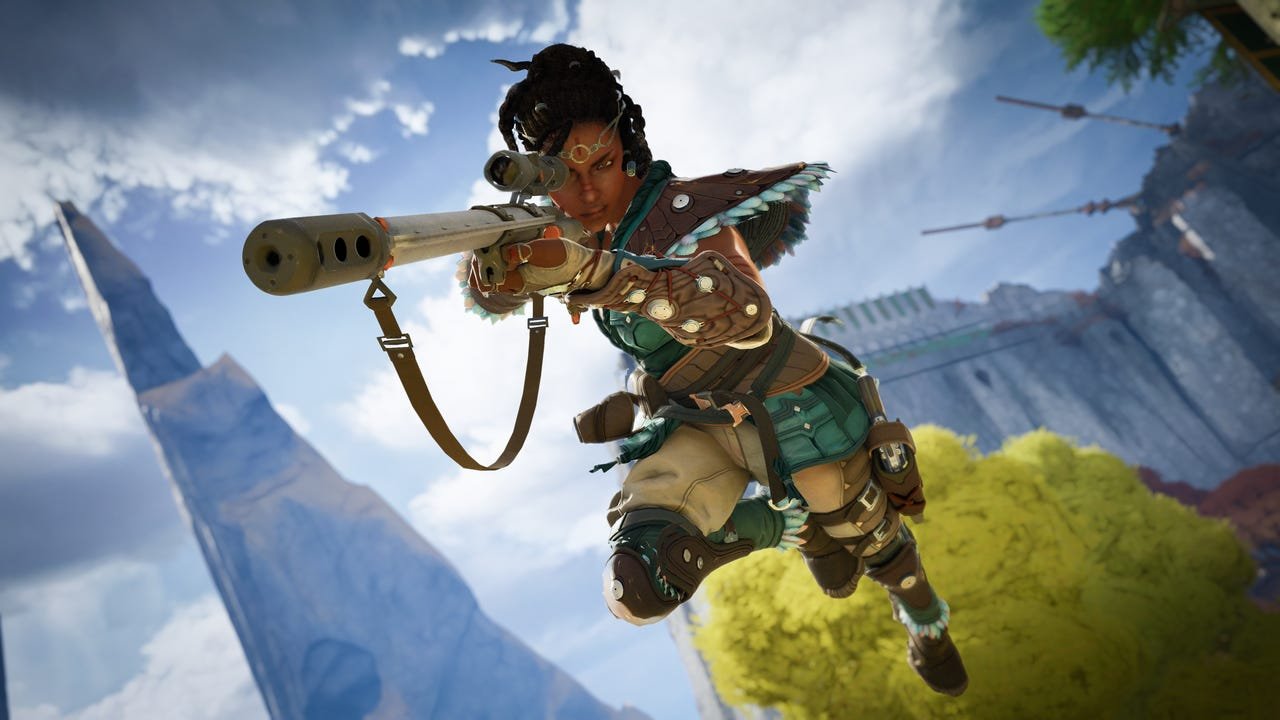
I still vividly remember sitting on my couch during The Game Awards back in December, just taking it all in. Then came the world premiere of Highguard. You know the exact vibe I’m talking about—Geoff Keighley center stage, the dramatic, moody lighting, and that high-gloss cinematic trailer that promised us a “fully-funded,” high-octane PvP raid shooter. On the surface, it looked incredibly slick. It had the kind of pedigree you don’t see every day, with former Apex Legends developers at Wildlight Entertainment steering the ship. It felt like it could actually be the next big thing for PC, PS5, and Xbox Series X|S. But then, I made the mistake of looking at my phone. The internet had already reached a verdict before the trailer even finished. The “dead on arrival” memes were trending within minutes. It was brutal to watch in real-time.
Fast forward to today, February 18, 2026, and the tragedy of Highguard has taken a much darker, decidedly more corporate turn. Thanks to reporting from IGN Video Games, we finally know who was actually writing the checks for Wildlight Entertainment. It wasn’t some mysterious venture capital group or a humble private investor looking to disrupt the status quo. It was Tencent. The Chinese gaming giant was the primary financial muscle behind the studio all along—an arrangement that both parties managed to keep completely under wraps for years. But as it turns out, even the deepest pockets in the global industry couldn’t stop the game from imploding just a few weeks after its launch.
The Myth of the “Rogue” Indie and the Silence That Followed
There is always something a little bit suspicious when a studio screams about being “fully funded” on their LinkedIn page but remains tight-lipped about who is actually providing the capital. Wildlight played that card for a long time. They clearly wanted to project the image of an independent powerhouse—a group of “rogue” developers escaping the massive EA/Respawn machine to build something pure and uncompromised. But the reality was that they were tethered to perhaps the biggest gaming mogul on the planet. It’s a bit of a reality check, isn’t it?
Why hide it, though? Well, it’s no secret that Tencent has a bit of a branding problem in the West. While they own or have massive stakes in everything from League of Legends to Fortnite, there’s often a lingering stigma attached to their involvement. Players often fear aggressive monetization or that “live-service-ification” that can suck the soul out of a project. Looking back, maybe Wildlight thought they could sidestep the “corporate sellout” label by keeping the Tencent logo off the splash screen. But in the end, that lack of transparency might have been the very least of their problems.
We also have to remember that the gaming landscape in 2025 was already incredibly volatile. According to a 2024 report by Newzoo, the PC and console market saw a massive shift where “forever games” like Fortnite and Roblox accounted for over 60% of total playtime. That makes it nearly impossible for new IPs like Highguard to break through the noise and find a permanent home. Tencent likely saw the writing on the wall earlier than anyone else, and they aren’t exactly known for their sentimental attachments to underperforming assets.
The 100,000 Player “Failure” and the Impossible Math of Modern Gaming
Here’s the part that really gets to me: Highguard didn’t actually “fail” in the way we traditionally think of a flop on day one. When it finally launched, it netted nearly 100,000 concurrent players on Steam. For a brand-new IP in an incredibly crowded genre, those are actually decent, even respectable numbers. If this were ten years ago, we’d be calling that a massive success and popping champagne. But in the modern era of the $200 million “AAAA” budget, 100,000 players is apparently just a rounding error for a company like Tencent. It’s a terrifying thought, right? That a massive audience can still be “not enough.”
The reviews were… well, they were fine. A bit “so-so,” as we were all saying at the time. The meta was admittedly a mess, with certain weapons needing a serious nerf within the first 48 hours, and the “raid shooter” loop felt a bit too much like a grindy roguelike for some players’ tastes. But it had a core. It had real potential. Yet, within weeks, the layoffs started anyway. Most of the staff were shown the door, and that “fully-funded” dream turned into a literal nightmare overnight.
“Highguard was turned into a joke from minute one because people projected their frustrations with the entire industry onto a three-minute trailer. We never stood a chance against the narrative, no matter how many people actually logged in to play.”
Anonymous Former Wildlight Developer
And that’s really the heart of the frustration here. We’ve reached a point where the “internet jury” reaches a final verdict before the evidence is even presented. One developer recently reflected on how the game was mocked based on false assumptions from the TGA trailer, and honestly, they weren’t wrong. The gaming community has become so cynical—often with very good reason, mind you—that we sometimes end up suffocating the very innovation we claim to want. It’s a self-fulfilling prophecy of failure.
The Double-Edged Sword of the Global Stage
We also have to talk about the “time and place” of that initial announcement. It’s been reported that the grand reveal at The Game Awards was more of a Geoff Keighley push than a choice made by the studio itself. This is the inherent danger of the “Hype Cycle.” When you announce a game on the biggest stage in the world, you aren’t just talking to gamers; you’re talking to shareholders and competitors. You are painting a massive target on your back.
By putting Highguard in that intense spotlight, Wildlight (and Tencent) invited a level of scrutiny that a new studio simply wasn’t ready to handle. Instead of a slow-burn community build-up, they were thrust directly into the furnace. It reminds me of the 2024 State of the Game report which found that nearly 40% of developers are worried about the “unsustainable” nature of current marketing expectations for live-service titles. Highguard has become the poster child for that specific anxiety.
If they had launched quietly on Steam Early Access, maybe the narrative would have been different. Maybe they could have tweaked the meta, fixed the loot drops, and built a loyal, grassroots following over time. Instead, they went for the “big bang” approach, and the resulting shockwave knocked the entire studio over. It’s a lesson in the dangers of over-marketing a product that needs room to breathe and grow.
A Quiet Disappearance into the Digital Void
So, where does that leave us today? As of this morning, the Highguard website has officially gone offline. It hasn’t come back. For a game that was supposed to be “kept going” by a core group of dedicated developers, this looks like the final nail in the coffin. It’s a ghost town now. One day it was the “next big thing,” and the next, it’s just a broken link on a browser.
It’s hard not to feel for the developers involved. These are real people who spent years of their lives on a project, only to see it become an internet punchline and then lose their livelihoods because a conglomerate in Shenzhen decided the ROI wasn’t hitting the right trajectory. It’s a cold, hard business, but it feels especially chilly today. The human cost of these corporate pivots is often lost in the spreadsheets.
The future of Wildlight is, at best, “unclear,” which we all know is corporate-speak for “probably over.” Tencent hasn’t made an official statement, and they likely won’t. They’ll just move on to the next investment, while the remains of Highguard sit in our Steam libraries like a digital tombstone. It’s a somber end to a story that started with so much staged fanfare.
Was Highguard available on consoles?
Yes, Highguard was released on PC, PlayStation 5, and Xbox Series X|S, though the PC version saw the highest initial engagement through Steam during its brief lifespan.
Who owned Wildlight Entertainment?
While originally presented to the public as an independent studio, recent reports have now confirmed that Tencent was the primary financial backer and majority stakeholder behind the developer from the start.
Is Highguard still playable?
As of February 18, 2026, the game’s official website is offline and server stability has reached a critical low. With no support staff left, a total shutdown is widely believed to be imminent.
Ultimately, the story of Highguard isn’t just about a game that didn’t land. It’s about the precarious nature of “fully-funded” independence in an era where the cost of entry is so high that only the giants can afford to play—and those giants have very little patience for anything less than an immediate home run. It’s a cautionary tale for every developer dreaming of leaving the big studios to start their own thing. Make sure you know whose money you’re taking, and make sure you’re ready for the internet to decide your fate before you even hit ‘publish.’ It’s a brave new world out there, and it isn’t always a kind one.
This article is sourced from various news outlets. Analysis and presentation represent our editorial perspective.
About the Author