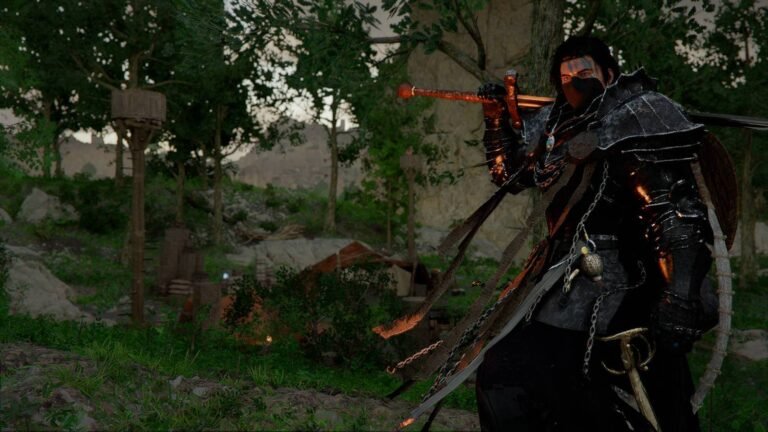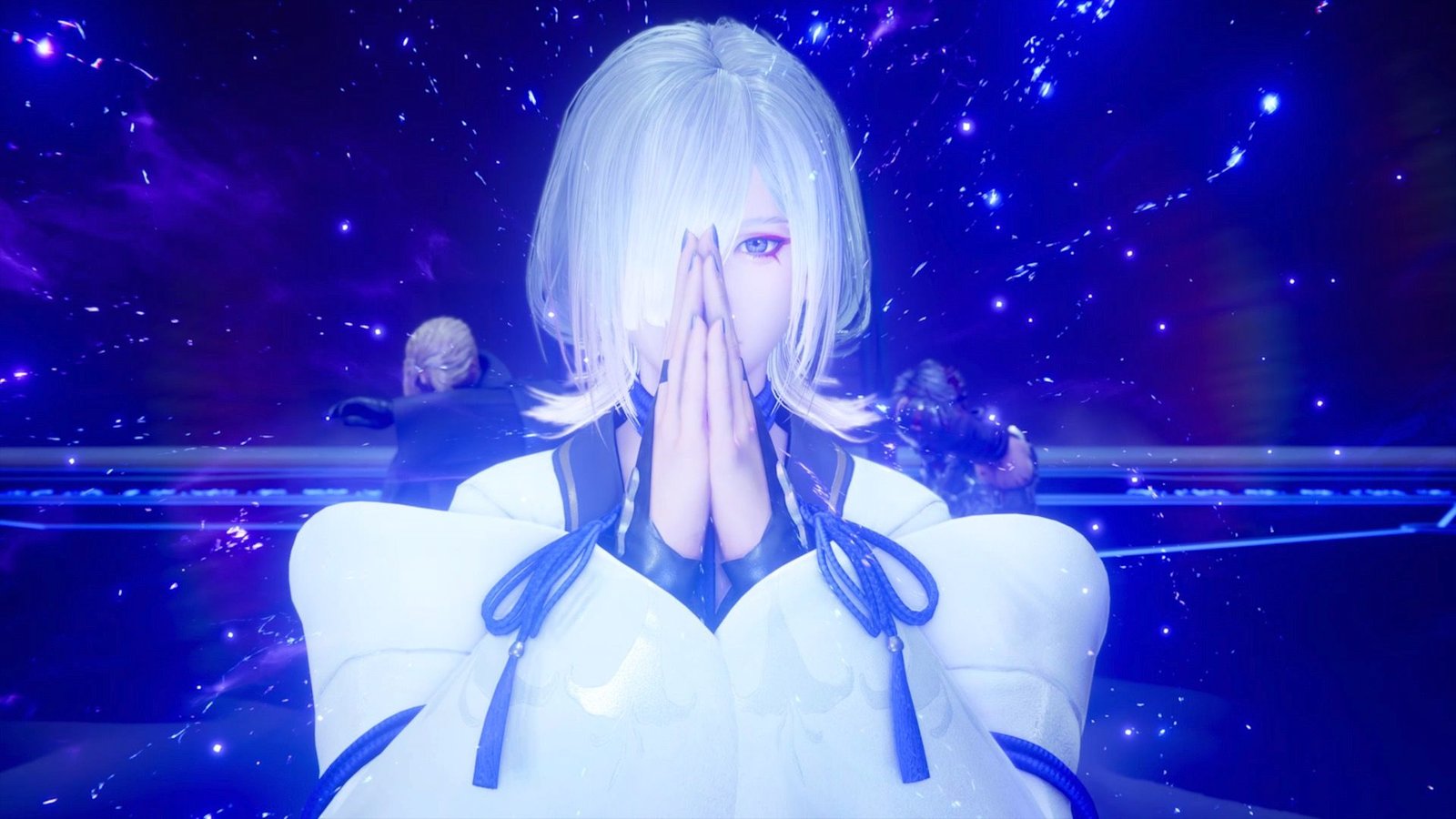
I’ll be honest with you—there was a point back in late 2024 where it really felt like the walls were closing in on Ubisoft. You remember the headlines, right? The stock was sliding, internal reviews were messy, and that infamous “Ubisoft Formula” had basically become a punchline in every gaming forum on the internet. It felt like a giant was finally stumbling. But as we sit here in February 2026, the vibe is completely different. The dust has finally settled on the first full year of Assassin’s Creed Shadows, and it’s now abundantly clear that the delay from late 2024 to early 2025 wasn’t just some desperate tactical retreat; it was a genuine soul-searching mission that actually, against all odds, paid off.
If you look at the recent coverage from GameRant, the discourse surrounding the studio has shifted from “can they even survive this?” to “how on earth did they pull this off?” It’s a fascinating turnaround in an industry that usually doesn’t give second chances to legacy publishers who have lost their way. We’ve seen the game dominate on the PS5 and Xbox Series X, and even the PC port—which has traditionally been a bit of a coin toss for Ubi—has been running like an absolute dream since that last major optimization patch dropped. But this isn’t just a story about frame rates or those gorgeous ray-traced reflections in a rain-soaked Kyoto puddle. It’s about a massive company finally realizing that “more” isn’t always “better.”
Ditching the digital rash: How a $20 million gamble saved the franchise
For years, we’ve all joked about the towers. You know the ones—you climb a building, sync the map, and then watch in horror as 400 icons explode across your screen like a digital rash. It was exhausting. By the time Star Wars Outlaws hit the shelves in 2024, the collective fatigue was very real. But then came the Shadows delay. Ubisoft’s leadership had to make the painful, incredibly expensive decision to push their flagship title out of the high-stakes holiday window just to ensure it actually met player expectations. It was a $20 million gamble that, in hindsight, probably saved the entire franchise from irrelevance.
A 2025 Statista report pointed out that the global video game market reached a staggering $282 billion last year, and that growth was driven largely by players who are increasingly demanding higher quality over sheer quantity. Ubisoft finally leaned into that reality. They didn’t just spend those extra months polishing the bugs; they actually trimmed the fat. They took a long, hard look at the “stealth vs. combat” meta and decided to finally make it matter again. Playing as Naoe feels like a completely different game than playing as Yasuke, and for the first time in a decade, the choices we make in an Assassin’s Creed game feel like they have mechanical weight, rather than just being cosmetic flair.
And let’s talk about that dual-protagonist system for a second. It could have easily been a gimmick, right? A “best of both worlds” compromise that ended up pleasing nobody. Instead, it forced the developers to design levels with two totally distinct mindsets. You can’t just “warrior” your way through a Naoe-specific infiltration without it turning into a total nightmare, and trying to stealth a Yasuke segment is about as effective as trying to hide a tank in a flower bed. This friction—this actual challenge—is exactly what the series needed to feel fresh and vital again.
“The shift toward quality-driven development cycles is no longer a luxury for AAA studios; it is a survival requirement in a market where player patience is at an all-time low.”
— Industry Analyst Report, Q4 2025
The wake-up call that fixed the balance sheet (and the soul)
It’s not just about the art, though. We have to look at the cold, hard cash at some point. Back in late 2024, Ubisoft’s stock was hovering at levels we hadn’t seen in a decade, and investors were, understandably, spooked. But as Reuters reported in late 2025, Ubisoft’s stock rebounded by nearly 35% following the massive success of Shadows and the revitalized interest it sparked in their back catalog. Even the “Ubisoft+” subscription service saw a significant bump in numbers, proving a simple point: if you build a game people actually want to play, they’ll find a way to pay for it.
But here’s the editorial take you might not want to hear: Ubisoft actually needed that near-death experience. They needed to see their stock plummet and their most loyal fans turn away to realize that the “live service” obsession was slowly killing their creative soul. Shadows didn’t launch with a predatory battle pass or a map littered with microtransactions for “time-savers.” They went back to basics: a premium experience for a premium price, complete with a Season Pass that actually feels like it adds genuine value rather than just finishing a broken game.
I think we’re seeing a much broader industry trend here. A 2024 Newzoo report indicated that 47% of PC and console players were gravitating toward “forever games” or long-standing franchises that they felt they could actually trust. Ubisoft had lost that trust. Shadows was their expensive attempt to buy it back, and so far, that investment is yielding some very high interest. It’s a lesson for other giants like EA and Activision: you can only coast on brand recognition for so long before the engine eventually stalls out.
Specialists, not gods: Why the Naoe and Yasuke split actually works
If you’ve spent any time on Reddit or Discord over the last year, you’ve definitely seen the debates. “Is Yasuke too OP?” “Did they nerf the hidden blade?” The reality, as I see it, is that Ubisoft finally embraced the “RPG” part of their action-RPG identity. In Valhalla, you were basically a god among men; you could do everything. In Shadows, you’re a specialist. This shift back toward specialized gameplay has done wonders for the game’s longevity. People are actually replaying missions now just to see how the other character would handle the situation, which is something I haven’t done since the early days of the series.
And let’s give credit where it’s due: that historical setting of Feudal Japan was a “break glass in case of emergency” move that Ubisoft had been sitting on for years. They knew that if they ever really needed a win, this was the card to play. But instead of just phoning it in with a Ghost of Tsushima clone, they really leaned into the cultural tension of the era. The writing is sharper than it’s been in years, the side quests feel less like errands and more like world-building, and the seasonal weather system—which actually changes how you approach stealth—is a genuine “next-gen” feature that I truly hope becomes a staple for the series going forward.
I remember talking to a friend about this last summer, and we were both so skeptical. We thought, “Oh great, another AC game, I’ll play it for ten hours and get bored.” But here I am, sixty hours in, and I’m still finding things that surprise me. That’s the magic they lost and finally rediscovered. It’s the difference between a game designed by a spreadsheet and a game made by people who actually like playing games.
The DLC roadmap and the “Post-Launch” grace period
One thing Ubisoft has handled correctly this time around is the post-launch support. We’ve seen two major expansions already, and neither of them felt like cut content or an afterthought. They’ve successfully avoided the trap of “fixing the game after launch” and instead focused on “expanding the world.” It’s a subtle difference, but players can tell the difference. When you buy a DLC for Shadows, you aren’t buying the ending of the story; you’re buying a new chapter. It’s a return to the Witcher 3 model of expansions, and it’s honestly refreshing to see in 2026.
But look, it’s not all sunshine and cherry blossoms. There are still some lingering questions about what happens to Ubisoft’s smaller titles. While Shadows is a massive hit, what happens to those smaller, more experimental “Ubi-Art” style games? It would be a real shame if the success of one massive AAA title meant the death of the creative risks that gave us gems like Rayman or Child of Light. The challenge for 2026 and beyond is whether Ubisoft can balance this new “quality over quantity” mandate with a diverse portfolio that isn’t just Assassin’s Creed and Tom Clancy spin-offs for the next decade.
Is Assassin’s Creed Shadows worth playing in 2026?
Absolutely. With a full year of patches and two major expansions under its belt, the game is finally in its definitive state. If you were waiting for the “Complete Edition” or a deep sale, now is definitely the time to jump in—especially on PS5 Pro or high-end PC hardware where the visuals truly shine.
How does the dual-protagonist system affect the story?
Unlike previous entries where you chose one character and stuck with them for eighty hours, Shadows allows you to swap between Naoe and Yasuke for different missions. This creates a much more dynamic narrative where you get to see the conflict from two very different social and tactical perspectives, making the world feel much larger.
Did Ubisoft abandon the “Live Service” model?
Not entirely, but they’ve certainly pivoted. While Shadows has online elements and seasonal content, it functions primarily as a high-quality, standalone single-player experience. The focus has shifted from “engagement metrics” to “player satisfaction,” which, in the long run, is a win for everyone involved.
What this means for the future of the industry
Looking ahead, the “Shadows Effect” is going to ripple through the entire industry. We’re already seeing other major publishers push back their 2026 release dates to avoid that dreaded “launch now, fix later” stigma. Ubisoft has proved that a delay can actually be a PR win if the resulting product is undeniable. They’ve also proved that the “Ubisoft Formula” wasn’t actually broken—it was just tired and overworked. By injecting genuine mechanical depth and respecting the player’s time, they’ve made the open-world genre feel vital again.
So, where do we go from here? I expect we’ll see Assassin’s Creed Hexe take even bigger risks. Now that the pressure is off and the company is financially stable again, the developers can actually afford to be weird. And in a world of safe, homogenized AAA blockbusters, “weird” is exactly what we need right now. Ubisoft was the villain of the story for a while, but they’ve managed to write themselves a pretty compelling redemption arc. Let’s just hope they don’t forget the lessons of 2024 the next time a quarterly earnings report looks a little thin.
For now, though, I’m going back to feudal Japan. There’s a fort in the mountains that I’ve been trying to infiltrate as Naoe for three nights straight, and I think I finally found the right roof tile to hide under. It feels good to be an Assassin again—and it feels even better to be a fan of a company that finally stopped talking and started listening.
This article is sourced from various news outlets. Analysis and presentation represent our editorial perspective.
About the Author