We really need to have a serious conversation about the trust issues lurking in our Steam libraries. If you are anything like me, your backlog is essentially a graveyard of good intentions—specifically, those Early Access titles you bought in a fit of optimism three years ago, played for exactly two hours, and then completely forgot existed. Sometimes you drift away simply because the gameplay loop wasn’t quite ready for prime time yet. But other times? Other times you stop playing because the updates just… stop coming.
It is the silent killer of indie enthusiasm: the dreaded “zombie game.” This is the project that isn’t officially cancelled—no developer has come out and admitted defeat—but it hasn’t seen a patch note since the previous presidential administration. It just sits there, installed on your NVMe drive, haunting you with its wasted potential.
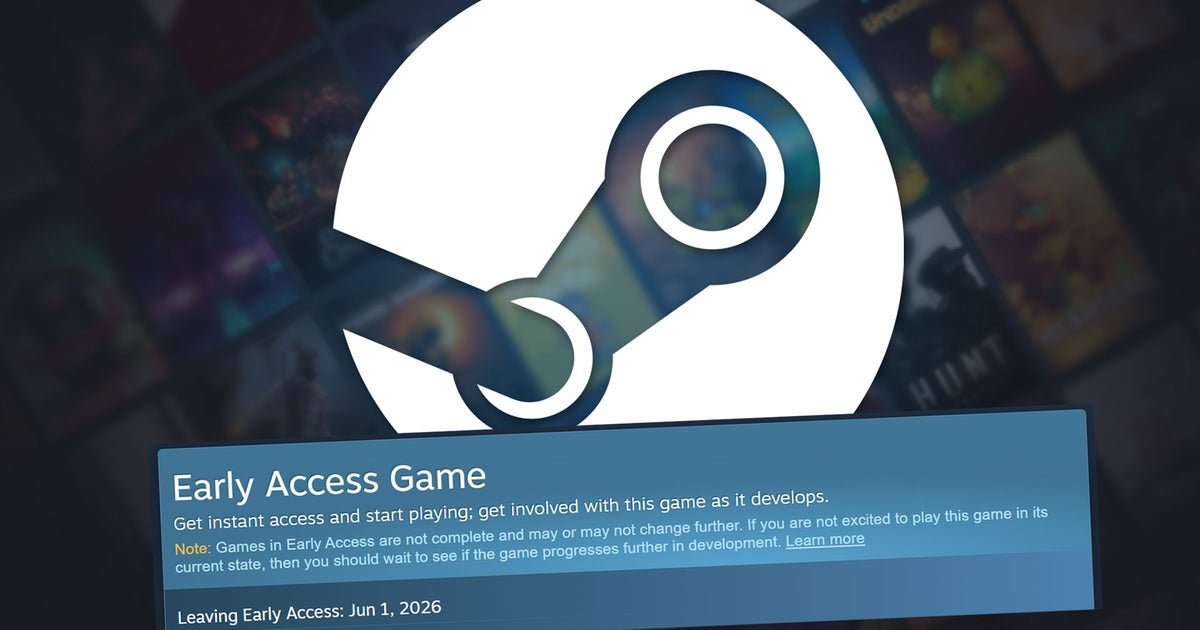
According to the Rock Paper Shotgun Latest Articles Feed, Valve is finally handing us a magnifying glass to help solve these mysteries before we even open our wallets. A recent, somewhat quiet update to the Steam backend and UI now allows developers to explicitly list a planned “1.0 release date” for their Early Access games.
On paper, this sounds like a minor administrative tweak, right? It’s just a text field in a database, after all. But I’m here to argue that it is actually one of the most significant shifts in consumer protection and developer accountability that we have seen on the platform in years. It fundamentally changes the psychological contract of buying an unfinished game.
Retiring the Private Investigator Hat
Before this update dropped, trying to figure out if an Early Access title was actually a safe investment felt less like shopping and more like performing forensic accounting. You know the drill. You would land on a store page, spot that ominous “Early Access” banner, and immediately sigh as you opened three new browser tabs to do your homework.
First, you would have to check the “News” section to see when the last patch actually dropped. Was it last week? Or was it six months ago? Then, you’d head over to the community hub discussions to see if the devs were actually replying to bug reports or if the forums were a ghost town. Finally, you might even find yourself stalking their Twitter (or X, or Bluesky, or whatever platform we are all using this week) just to see if they had secretly started working on a completely different project.
It was exhausting. And look, I don’t want to distrust game makers—I know that game development is incredibly hard, often severely underfunded, and prone to massive burnout. But as a consumer, dropping $25 on a promise is a gamble, and I got tired of losing.
With this new update, that friction is significantly reduced. Developers can now flag a specific target window for their full release. It moves the conversation from a vague “we hope to release eventually” promise buried in a sticky forum post, to a concrete data point displayed right in the UI.
“While developers have always been free to share this information in blog posts or in the description on the store, in the past, they couldn’t flag a game’s planned release so clearly.”
— Rock Paper Shotgun
This transparency is absolutely vital because the PC ecosystem is incredibly crowded right now. According to data from Statista, over 14,000 games were released on Steam in 2023 alone, and that number has only trended upward since. In a sea of content, “active development” is a key differentiator. If I can see at a glance that a developer is confident enough to put a date on the calendar, I am infinitely more likely to wishlist that project.
Transforming Your Wishlist into an Actual Schedule
But there is a functional, almost mechanical aspect to this update that I think is arguably cooler than just the accountability angle. Valve isn’t just slapping a date on the store page and calling it a day; they are actually integrating this data into the Steam Personal Calendar.
Valve noted that they realized a specific type of “release” was missing from their UI logic: the transition from Early Access to 1.0. Previously, the system treated the initial Early Access launch as “The Release.” The actual completion of the game was just… an update. A big update, sure, but systematically, Steam treated it no differently than a hotfix.
Now, that transition is a proper event. If you wishlist a game like Hades II (back when we were all eagerly waiting for it) or the latest survival-crafter hitting the charts, the moment the developer locks in that 1.0 date, it populates in your timeline.
This bridges the massive gap between the “wait and see” crowd and the “buy now” crowd. There is a huge segment of the PC gaming demographic that refuses to buy Early Access on principle. They have been burned by vaporware too many times. By alerting these players specifically when the game is transitioning to 1.0, developers get a second launch day—a second hype cycle that is algorithmically supported by Steam, rather than just relying on press releases.
Let’s Talk About the Reality of Vaporware
Let’s be real about why this feature exists, though. Early Access is a double-edged sword. In its best form, it gave us masterpieces like Baldur’s Gate 3, where Larian Studios used player feedback to polish a diamond. It allowed Vampire Survivors to explode from a cheap browser concept into a genre-defining juggernaut.
But the bottom of the barrel is deep. For every success story, there are dozens of titles that simply run out of funds. The developers might have every intention of finishing, but reality hits hard. The rent is due, the initial sales tail off, and they have to take contract work or start a new, shinier prototype just to generate cash flow.
A report from Video Game Insights a few years back highlighted that a significant percentage of indie games on Steam make less than $5,000. When a game isn’t paying the bills, development slows down. Eventually, it stops. The “Planned Release Date” field doesn’t magically fix the brutal economics of indie development, but it does create a social contract.
If a developer sets a date and misses it, that’s fine—delays happen. We are gamers; we are used to it. Look at how many times Cyberpunk 2077 was pushed back before its eventual (rocky) launch. But if a developer sets a date, misses it, and then goes silent? The community notices. The “Overwhelmingly Positive” rating can turn to “Mixed” very quickly when a deadline is blown without communication.
This feature forces developers to be realistic about their project management. You can’t just say “coming soon” forever anymore. You have to engage with the calendar.
Steam’s Wild West vs. The Console Walled Gardens
It is interesting to contrast this with the console experience. On PlayStation 5 or the Xbox Series X, “Early Access” exists (often called Game Preview on Xbox), but it is much more curated. You don’t see the sheer volume of broken, half-baked alpha tests on the PlayStation Store that you see on Steam.
Sony and Nintendo (especially with the Switch eShop) act as gatekeepers. They filter for quality, or at least for functionality. Steam has taken the opposite approach: “We let almost anything in, but we give you the tools to filter it yourself.”
This new UI update is one of those tools. It is Valve admitting that while they won’t curate the store for you, they will give you the data to make an informed decision. It is a very “PC Master Race” solution—give the user the data and let them optimize their own experience.
Why This Tiny Feature is Actually a Big Deal
The original source mentions being “thrilled” about this, and honestly, I share that sentiment. It is a quality-of-life improvement that genuinely respects the player’s time and money.
I have a rule now: I rarely buy Early Access unless there is a roadmap. I want to know if the devs are planning to add multiplayer, or if the current ending is just a “To Be Continued” screen. This update standardizes that roadmap. It tells me, “We have a plan. We have a target. We are working toward the finish line.”
And for the developers? It is a chance to signal boost. If you are a small team working your tail off to finish your roguelike deckbuilder, locking in that 1.0 date is a way to wave a flare to all those people who wishlisted you six months ago and forgot you existed.
It won’t stop every bad game from taking your money. It won’t stop developers from over-promising and under-delivering. But it adds a layer of clarity to the murky waters of Early Access. In an era where digital storefronts are cluttered and chaotic, clarity is the most valuable feature of all.
This article is sourced from various news outlets. Analysis and presentation represent our editorial perspective.
About the Author