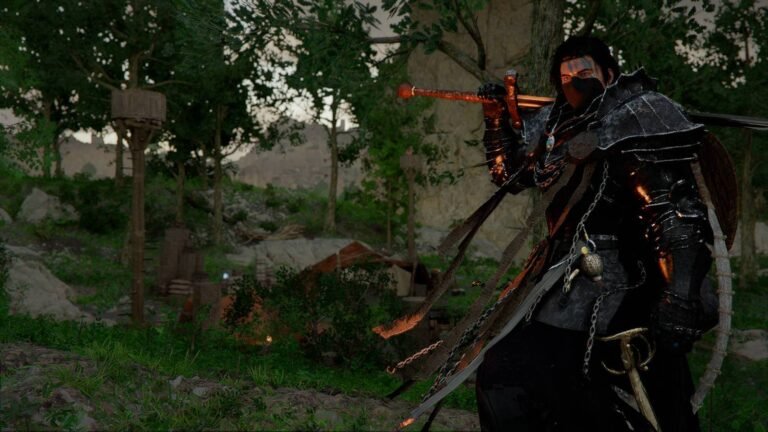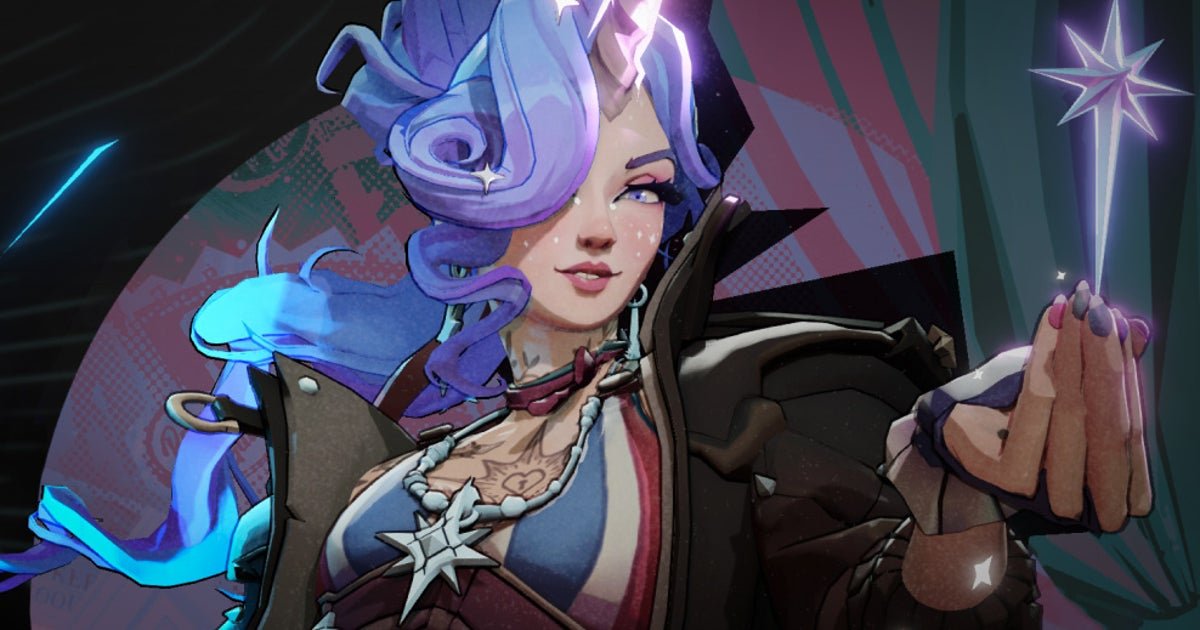
The Ultimate Industry Flex
Imagine spending tens of millions of dollars on marketing. You buy up Times Square billboards. You sponsor every Twitch streamer with a pulse. You pump out glossy, pre-rendered CGI trailers for months. That’s how you launch a major video game in the modern era, right?
Valve apparently missed the memo. Or, more likely, they just tossed it in the incinerator.
According to Eurogamer.net Latest Articles Feed, a bizarre phenomenon is currently unfolding on Steam. Valve’s heavily guarded, invite-only, mathematically unreleased game Deadlock was the sixth most-played game on the platform in the US last month. It has zero official marketing. The Steam page looks like a placeholder someone forgot to delete. Yet, it’s pulling numbers that are making rival executives sweat through their designer suits.
Right now, Deadlock is pulling roughly 125,000 concurrent players. To put that into perspective, Blizzard’s massively funded, highly visible Overwatch is sitting at a Steam peak of 134,000. Deadlock is literally breathing down the neck of a gaming titan, and it hasn’t even bothered to officially open its doors yet. It’s a masterclass in anti-marketing.
The Psychology of the Velvet Rope
You can’t just buy Deadlock. You can’t even download it for free. You literally have to know a guy.
To get into the PC playtest, you need an invite from someone already on the inside. Sure, the codes aren’t exactly guarded by armed mercenaries — plenty of specialized creators are handing them out like candy — but the friction is entirely intentional. It creates a velvet rope effect. Tell a gamer they can play anything they want, and they might add it to their backlog. Tell them they aren’t allowed to play something, and they will move heaven and earth to get a taste.
“Scarcity, even artificial scarcity, remains one of the most potent drivers of user acquisition in digital ecosystems. When access becomes a status symbol, the community does your marketing for you.”
— Digital Consumer Behavior Framework
We saw this exact same strategy play out two decades ago when Google launched Gmail as an invite-only beta. The exclusivity drove the hype. Valve is applying that exact psychological lever to the hero shooter market. According to a recent Newzoo market analysis on global gaming trends, PC player engagement is increasingly consolidating around established live-service giants rather than new releases. Breaking into that top tier requires something drastic. Valve’s solution? Play hard to get.
Anatomy of a Frankenstein
If you strip away the hype and the exclusivity, what exactly are people playing?
Deadlock is a weird, chaotic mashup. It’s what happens if you throw Team Fortress 2 and Dota 2 into a blender and garnish it with a 1930s gangster aesthetic. It’s a hero shooter, which explains the inevitable Overwatch comparisons, but it’s anchored entirely by traditional MOBA mechanics.
You pick a fantasy mobster. You drop into a map. You farm computer-controlled creeps in designated lanes to earn cash. You buy upgrades, tweak your build, and try to overwhelm the enemy team. It requires the twitch-reflex aiming of a traditional PC shooter, but demands the macro-level strategic brain of a hardcore MOBA player.
Valve’s pedigree here is literally unmatched. Let’s not forget they practically invented the class-based shooter genre with Team Fortress 2. Blizzard borrowed heavily from that exact formula to create Overwatch. Meanwhile, Valve’s Dota 2 remains an absolute juggernaut, currently boasting a staggering peak concurrent player base of 830,000. It is the second most-played game on Steam. Valve knows how to build a meta. They know how to balance a roster. And they know exactly how to keep players addicted to a gameplay loop.
The “Old Gods, New Blood” Resurgence
But it hasn’t been a perfectly smooth upward trajectory. Deadlock actually had a soft, quiet launch back in the autumn of 2024. Naturally, being a new Valve project, the initial curiosity was massive.
Then the hype cooled.
Player numbers began a slow, predictable decline. The game felt unfinished because, well, it is unfinished. By late 2025, concurrents had dipped. But Valve was watching. They were gathering data, adjusting the time-to-kill, tweaking the lane economy, and preparing a massive injection of content.
Then came January 2026. Valve dropped the massive “Old Gods, New Blood” update.
This wasn’t just a minor patch to fix some bugs and nerf a dominant weapon. It was a massive overhaul. They dumped six entirely new characters into the roster, fundamentally disrupting the established meta. They introduced a much-needed faster game mode for players who didn’t want to commit to grueling, 45-minute lane battles. The overall user experience received a massive facelift.
The results were instantaneous and violent.
According to SteamDB’s tracking metrics, the game rocketed from a stagnant 30,000 concurrent players at the start of January straight up to a peak of 125,000 just 24 hours ago. That isn’t just a bump. That’s a revival. It proves that the core mechanical foundation of Deadlock is incredibly sticky. When you give these players new toys, they don’t just log in to check them out — they stay.
Blizzard’s Incoming Headache
This brings us back to Overwatch.
Overwatch has been enjoying a bit of a resurgence lately. Despite the rocky transition to a free-to-play model and the endless controversies surrounding canceled PvE content, Blizzard managed to stabilize the ship. The game holds a respectable 134,000 peak on Steam, alongside millions more playing across PS4, PS5, Xbox One, and Nintendo Switch.
But Deadlock is an existential threat specifically to the PC crowd.
Hardcore PC competitive players are notoriously fickle. They crave high skill ceilings. While Overwatch relies heavily on team synergy and ultimate-ability combos, Deadlock’s MOBA elements allow for individual hard-carries. If you farm better than your opponent in Deadlock, you can buy items that make you an absolute terror on the map. It rewards individual mechanical skill and economic strategy in a way that purely objective-based hero shooters simply don’t.
Blizzard has to be looking at these Steam charts with a deep sense of unease. Deadlock is pulling 125k players without even trying. What happens when Valve actually decides to release it? What happens when the marketing engine turns on?
Waiting for the Floodgates to Open
The strangest part of this entire saga is that Deadlock still lacks a release date. Valve hasn’t even hinted at when the velvet rope will be unhooked to let the general public flood in.
There is no word on console ports, though a game this complex might struggle to map cleanly to a PS5 or Xbox controller without some serious aim-assist magic. For now, it remains a purely PC-centric obsession.
Valve is playing the long game. They are letting the community beta test their game, balance their heroes, and build grass-roots hype completely free of charge. By the time Deadlock actually hits version 1.0, it won’t just be a new game. It will be an established esport with a hardened veteran player base. And that is exactly how you conquer a genre.
Is Deadlock entirely replacing Dota 2 for Valve?
Not a chance. Dota 2 still commands over 800,000 concurrent players daily and hosts the most lucrative esports tournaments on the planet. Deadlock is designed to capture the shooter crowd that finds top-down MOBAs too intimidating, acting as a bridge between the TF2 and Dota communities.
How can I get an invite to play Deadlock?
Currently, you need to be Steam friends with someone who already has access to the playtest. Once they invite you through the in-game client, you usually receive an email from Valve granting access within a few hours to a couple of days.
Will Deadlock be free-to-play at launch?
While Valve hasn’t officially confirmed the monetization model, their history with Dota 2, Team Fortress 2, and CS:GO strongly suggests Deadlock will be free-to-play, supported by an extensive cosmetic economy and battle passes.
This article is sourced from various news outlets. Analysis and presentation represent our editorial perspective.
About the Author