Look, I’m running this on an RTX 4060 with an i7-12700 and 16GB RAM, and I honestly thought this setup would cruise through a free-to-play game. Boy, was I wrong. After sinking about 35-40 hours into Where Winds Meet since its November launch, I’ve wall-run through enough bamboo forests and gotten lost in enough progression menus to write this review with actual battle scars. I started on High settings because, you know, 4060 should handle it, right? Dropped to Medium-High after the first major boss fight turned my frames into a slideshow. But here’s the wild part – I’m still playing. This game is a beautiful, buggy, overwhelming mess that somehow got its hooks into me.
Performance Reality Check
Okay, straight talk about performance. On Medium-High settings with my rig, I’m averaging 75-85 FPS in open world exploration, which feels buttery smooth when you’re just gliding through those gorgeous Chinese landscapes. But the moment you hit a Guild War event or encounter one of those new World Bosses they added in the Spring’s Bliss update? We’re talking drops to 45-55 FPS, and it gets worse in crowded areas.
Loading times are… inconsistent. Fast travel between major areas takes anywhere from 8-15 seconds on my system. The game installed at roughly 68GB, which honestly isn’t terrible for a modern open-world RPG, but those content updates keep adding chunks. Version 1.3 added another 4.5GB when it dropped in early February.
Now, the bugs. Oh man, the bugs. I hit the audio glitch everyone’s talking about during Chapter 2’s climax – you know that emotional confrontation scene? Yeah, the voice lines just… stopped. Complete silence except for the background music. I’m sitting there reading subtitles like it’s a silent film from 1920. Had to reload the checkpoint, happened again, third time it finally worked. Absolutely killed the dramatic moment.
And that disguise mission in Chapter 1 – “A Horse Neighs in the Forest” when you infiltrate the compound? My character model just didn’t change. I’m standing there in my bright red combat robes pretending to be a guard, and somehow NPCs couldn’t see me. Immersion: zero. I actually recorded it because it was so absurd.
Gameplay Breakdown
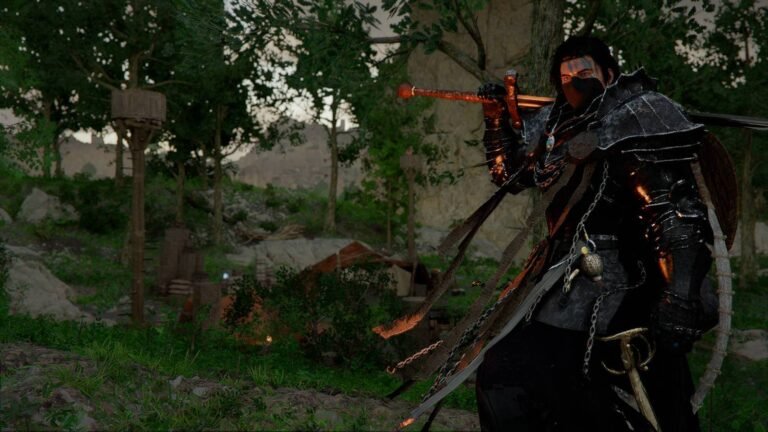
Where Winds Meet throws you into 10th-century China as this orphaned sword master raised by a winemaker. The setup sounds generic, but the execution? It’s like if Assassin’s Creed and a hardcore action RPG had a baby, then that baby watched too much wuxia cinema.
Combat uses seven weapon types, and you can equip two simultaneously. I’ve been running Spear + Glaive for that tank synergy buff, and it genuinely changes how you approach fights. The Spear has this lunging strike that closes gaps, while the Glaive does sweeping crowd control. Switching between them mid-combo isn’t just flashy – it’s necessary on higher difficulties.
Speaking of difficulty, I started on “Recommended” like the game suggests. Made it through Chapter 1 feeling pretty good about myself. Chapter 2 introduced the deflection timing system properly, and I thought, “Okay, I’ve played Sekiro, I got this.” Then I bumped it to Expert difficulty because I’m apparently a masochist.
Expert removes all the timing cues. No more slow-motion prompts, no more button indicators. You have to learn enemy patterns by feel. That first mini-boss after switching difficulty? Died probably 15 times before I realized you can’t just spam dodge. The game wants you to study, adapt, and actually use those Mystic Skills and Inner Ways abilities. It’s frustrating as hell but incredibly satisfying when you finally nail a perfect deflection chain.
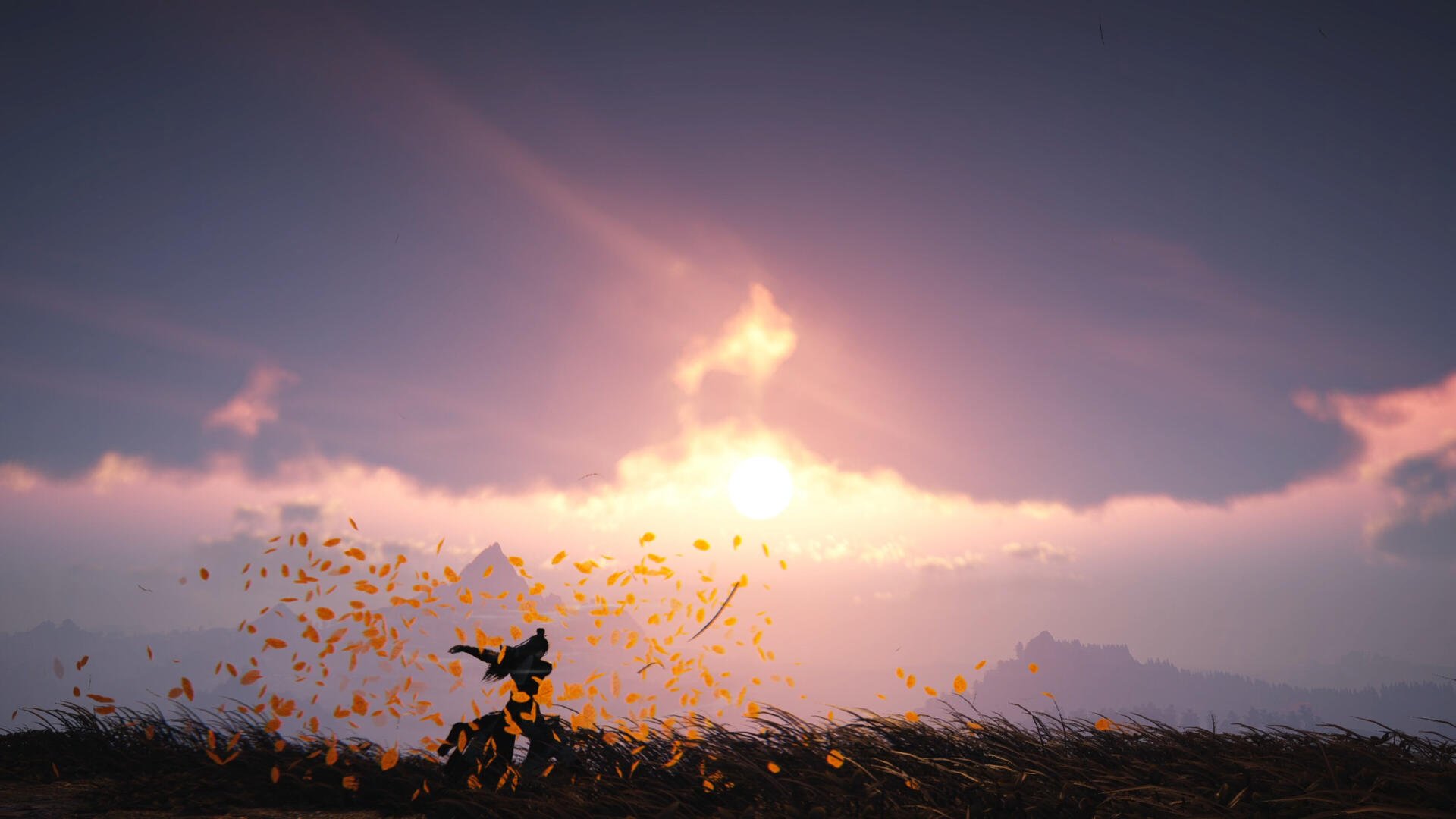
The movement system deserves its own paragraph. Wall running, gliding, this weird supernatural dash thing – it’s parkour meets martial arts fantasy. There’s this mandatory “hidden” quest called “Still Shore” that forces you to platform through this vertical temple, and I spent 20 minutes just figuring out the route… But once you master the flow? You feel like you’re in Crouching Tiger, Hidden Dragon. Just gliding between rooftops, wall-running up bamboo, launching into aerial combos. When it works, it’s magical.
What Works, What Doesn’t
Let’s get real about this game’s split personality.
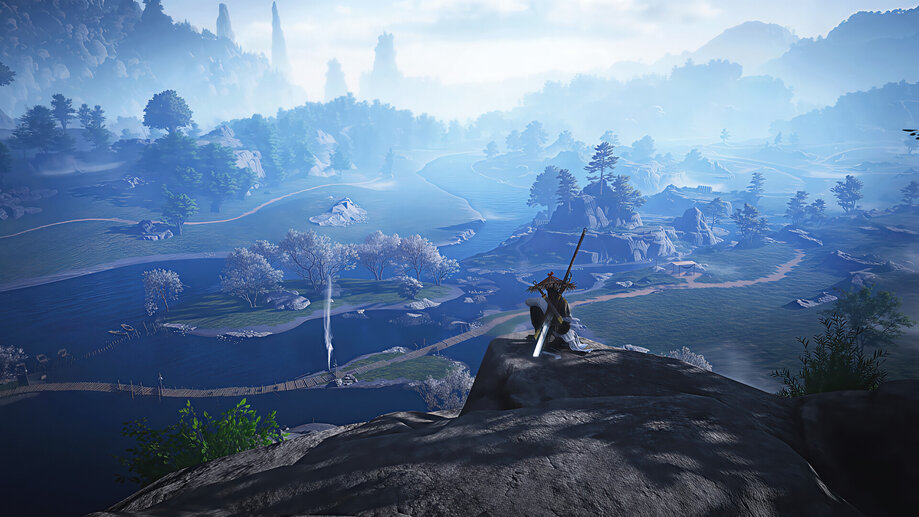
The Good: The world is stunning. I’m talking stop-and-screenshot-every-five-minutes stunning. The way sunlight filters through bamboo forests, how the cities feel genuinely alive with NPCs going about their routines – there’s craftsmanship here. The Spring’s Bliss update added these seasonal weather effects that make rain feel atmospheric instead of just a visual filter.
The Bad: That same beautiful world has serious pacing issues. The main campaign flows nicely through Chapter 1, then Chapter 2 hits you with what the critics called “steep cliffs.” You’ll be cruising along, then suddenly hit a wall where your gear score isn’t high enough. Time to grind Divinecraft Dungeons, which are… fine? They’re serviceable instanced content, but they don’t match the quality of the open world stuff.
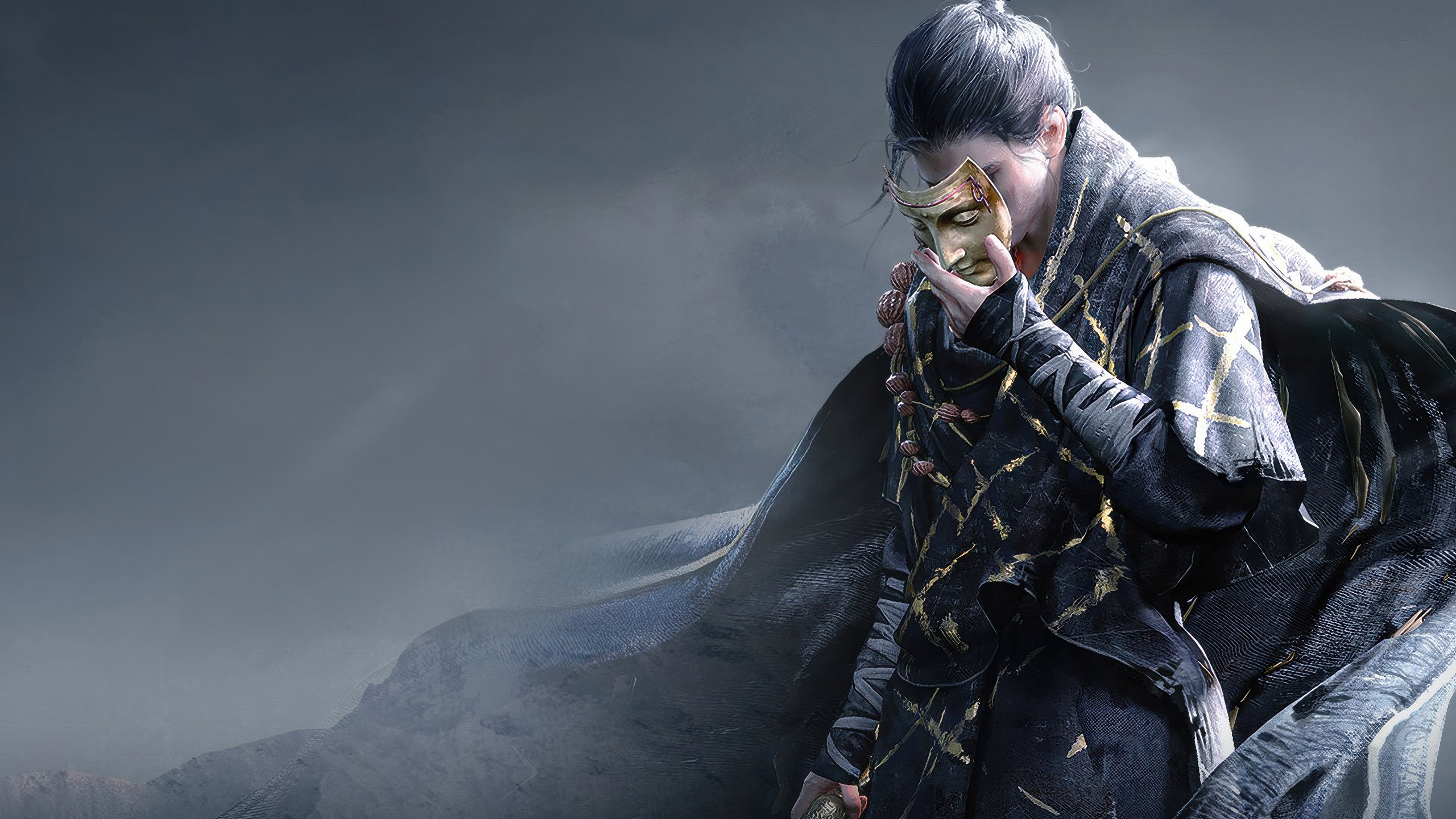
The Good: Combat depth is legit. Seven weapons, each with unique movesets, the ability to mix-and-match for synergies – there’s build variety here. Joining different Sects (I went with the new Masked Troupe from the 1.3 update) gives you faction-specific abilities. I’m running a build focused on aerial combos and crowd control, and my buddy is doing this tank/healer hybrid thing. Both work.
The Bad: The game explains approximately none of this clearly. The tutorial covers basic attacks, then dumps you into systems like Mystic Skills, Inner Ways, Sect abilities, weapon synergies, and this whole crafting web with zero guidance. I spent my first 10 hours building my character completely wrong. The “dizzying micromanagement” reviewers mentioned? That’s real. I have three different upgrade systems just for my primary weapon.
The Good: The live-service updates actually add content. Version 1.3 brought Spotlight Mode (which is basically a roguelike modifier system), Guild Wars for PvP folks, and those World Bosses. The Drunken Martial Artist boss is genuinely challenging and drops good loot. That “Tiny Adventure” event where you shrink yourself? Gimmicky but fun for a weekend distraction.
The Bad: Localization is rough, friends. I’m reading quest text like, “The way of the sword is the sword of the way, so the way becomes sword.” What does that MEAN? Important story beats get lost in translation, and I’ve seen the same description used for three different items. It’s playable, but you’re doing mental gymnastics to understand what’s happening sometimes.
Monetization Transparency
Alright, here’s where we need to talk dollars and sense. Where Winds Meet is free-to-play, which immediately raises red flags for anyone who’s touched a gacha game. So let me break down exactly what you’re walking into.
The core game – main story, combat, exploration, most of the endgame content – is completely free. I’m 35-40 hours in and haven’t spent a single rupiah. You can absolutely play this without paying and have a complete experience. That said, the game wants your money, and it’s not subtle about it.
There’s a cosmetics store with some genuinely cool outfit sets running $15-25 USD. Purely visual, no stats, which is fine. There’s a Battle Pass system (called “Path of Mastery” or something equally dramatic) that costs around $10 per season and gives you premium currency, exclusive cosmetics, and some progression boosters. The boosters are where it gets sketchy – they’re XP boosts and crafting material bundles that definitely speed up that mid-game grind I mentioned.
Here’s my honest take: the monetization isn’t predatory, but it’s aggressive. You’ll see pop-ups for limited-time cosmetic sales. The Battle Pass rewards are designed to make free-track rewards look pathetic by comparison. And while there’s no explicit “gacha” for characters or weapons (you unlock everything through gameplay), there IS a randomized cosmetic system for weapon skins that uses premium currency. I watched someone drop $50 trying to get a specific legendary spear skin. That’s gacha-adjacent enough to make me uncomfortable.
The real question: does progression hit a paywall? Kind of, but not really. Around the Chapter 2 difficulty spike, you’ll feel the squeeze. You CAN grind it out free, but it’ll take significantly longer than someone who bought the Battle Pass and used those XP boosters. It’s the classic “pay for convenience” model, which is more ethical than pay-to-win, but still leaves a bad taste when you’re facing a 10-hour grind that could be a 3-hour grind with $10.
My recommendation: play it free first. If you hit 20+ hours and you’re still hooked, the $10 Battle Pass is decent value. Skip the cosmetic gacha unless you have money to burn. Those limited-time events from the 1.3 update give free cosmetics anyway if you just participate.
Versus The Competition
In the free-to-play action RPG space, Where Winds Meet is competing with some heavy hitters. Genshin Impact is the obvious comparison – both are F2P, both are live-service, both have gacha elements (though WWM is lighter on that front). Genshin has better polish, smoother performance, and way better localization. But WWM has deeper combat. Like, significantly deeper. If you want Devil May Cry meets Sekiro in an open world, WWM scratches that itch better than Genshin’s simpler elemental system.
Tower of Fantasy is another comp, especially with the sci-fi-meets-fantasy vibe both games have (though TOF leans sci-fi while WWM is pure wuxia). TOF had a rougher launch, honestly. WWM’s bugs are annoying but not game-breaking. TOF was borderline unplayable at launch. Both have similar monetization aggression.
Then there’s Naraka: Bladepoint for the martial arts combat comparison. Naraka is battle royale focused, so different genre, but the melee combat and movement mechanics? Similar energy. Naraka feels tighter, more competitive. WWM feels more RPG-focused, more about the build and progression.
If you’re on PC and you want a wuxia power fantasy with actual depth, WWM is probably your best bet right now. It’s rougher than Genshin, more complex than TOF, more PvE-focused than Naraka. It’s carving out its own space, even if it’s stumbling while doing it.
FAQ + Final Thoughts
Q: Can my mid-range PC run this smoothly?
A: Medium settings on a 4060 gets me 75+ FPS in most areas, but expect drops during boss fights and PvP events. The game’s not super improved, so lower your expectations and tweak settings until you find your balance. An SSD helps with those loading times significantly.
Q: How’s the grind compared to other free games?
A: First 20 hours? Smooth sailing, barely notice it. Chapter 2 onwards? Yeah, you’re gonna grind those Divinecraft Dungeons for gear upgrades, probably 2-3 hours per major power spike. It’s not Warframe-level grind, but it’s there. The Battle Pass cuts that grind time in half if you’re impatient.
Q: Is the story worth it with the bad translation?
A: Honestly? The story’s decent when you can parse what’s actually happening. The political intrigue stuff is interesting, your orphan protagonist has a real arc, but those translation issues pull you out constantly. I’d say the gameplay carries the experience more than the narrative does.
Q: Should I start now or wait for more updates?
A: Jump in now, it’s free anyway. Version 1.3 just added a bunch of content, and the core game is solid despite the bugs. Plus the playerbase is healthy right now for co-op dungeons and Guild Wars. Just… maybe don’t start on Expert difficulty like I did, save yourself the pain.
Final Verdict: Where Winds Meet is a flawed gem that respects your time just enough while disrespecting your patience with bugs, bad UI, and questionable translation – but when you’re wall-running into an aerial combo that ends with a perfect deflection counter, none of that matters for those three glorious seconds.
About the Author