It’s hard to believe we’ve officially crossed the threshold into 2026, isn’t it? If you take a quick scroll through the upcoming release calendars for the PS5, Xbox Series X/S, and PC, there’s this undeniable, slightly eerie sense of déjà vu hanging in the air. Right now, the gaming industry seems completely obsessed with what the suits call “safe bets.” We are currently weathering a relentless flood of remakes and remasters—and don’t get me wrong, they feel like a warm, nostalgic hug from the past—but there’s still this massive, gaping hole where some of our most cherished childhood memories used to live. According to a recent deep-dive feature by the folks over at Gamebrott.com, there are specifically eight franchises that aren’t just “nice to have” additions to our libraries. No, these are absolutely essential for a 2026 comeback if we actually want to keep the spirit of gaming variety alive and kicking.
I’ll be the first to admit that it’s a weird time to be a gamer. On one hand, the technology has literally never been better; we have lighting and physics that would have seemed like black magic a decade ago. But on the other hand, the soul of the industry feels a bit… well, stretched thin? We’ve spent the last several years chasing that elusive “live service” dragon, often at the direct expense of the tight, focused, and finished experiences that made us fall in love with our consoles in the first place. Think back to those games that didn’t need a roadmap to be good. According to a 2024 Statista report, the global gaming market was projected to soar past $282 billion by 2027, a number driven largely by mobile spending and recurring revenue. But as we sit here in the early months of 2026, there’s a very clear, very loud fatigue setting in. Players are just tired. They’re tired of “battle passes,” they’re tired of “seasons,” and they’re tired of being asked for another ten dollars every time they log in. What they actually want is the raw, unadulterated fun of a multi-ton Titan falling from the atmosphere or the rhythmic, satisfying crunch of a plastic guitar button.
We Need to Talk About the Titan-Sized Hole in Our Hearts (And Why Apex Isn’t Filling It)
Let’s just go ahead and address the giant, mechanized elephant in the room: Titanfall. For years now, we’ve been fed this line that Apex Legends is the “spiritual successor” simply because it shares the same universe and some of the same lore. But let’s be real for a second—honestly, let’s be brutally honest. Playing a battle royale on a PC or a high-end console is a fundamentally different experience from the adrenaline-pumping, wall-running, absolute chaos of a Titanfall 2 match. Respawn Entertainment created something truly magical back in the day—a movement-based shooter that actually respected the player’s intelligence and reflexes. And yet, here we are in 2026, still checking our watches and waiting for a “3” that seems destined to remain trapped in the deepest circles of development hell.
The sting of this absence feels even fresher when you remember the rumors that the project codenamed “R7” was reportedly scrapped back in April 2025. That wasn’t just a headline; it was a genuine gut punch for the community. We don’t just want more legendary skins for Wraith or another map update for the Outlands. We want the visceral, 6v6 pilot-on-pilot warfare. We want the heavy-hitting, tactical mechanics of a Northstar titan or the sheer terror of a Ronin dashing toward us. There’s a very specific “flow state” you get into when you’re chaining wall-runs in Titanfall that no other first-person shooter has managed to replicate, even after all these years. If EA wants to truly capture the hardcore shooter market again, they need to wake up and realize that Apex is a completely different beast. We don’t need another hero shooter; we need the Titans back on the battlefield.
“The industry moves in cycles. We’ve spent a decade perfecting the ‘forever game,’ but the data shows players are gravitating back toward high-octane, finite experiences with distinct mechanical identities.”
— Gaming Industry Analyst, 2025 Trend Report
But it isn’t just about the multiplayer loops and the competitive grind. The single-player campaign of Titanfall 2 is still widely cited as one of the best FPS stories ever told, period. In an era where “cinematic” far too often translates to “walking simulator with occasional dialogue choices,” Titanfall gave us environmental puzzles and platforming challenges that felt organic to the world. It felt like a game that actually wanted you to play it. If 2026 is going to be the year of the great comeback, Respawn needs to take a long, hard look at their roots before the movement shooter genre is completely overtaken by indie clones that are currently doing their job better than they are.
Dusting Off the Plastic Axe: Is 2026 the Year Rhythm Games Finally Get Their Encore?
Do you remember when your living room was constantly littered with plastic peripherals? There was a time when Guitar Hero was more than just a video game; it was a genuine cultural phenomenon. It brought the history of rock music to a generation of kids who might have never heard of Slayer, DragonForce, or even Fleetwood Mac otherwise. But since 2010, the franchise has been mostly silent, save for that 2015 Guitar Hero Live experiment that—let’s be fair—didn’t quite stick the landing. However, things have changed. Now that Activision is officially under the Microsoft umbrella, the path for a 2026 revival is clearer and more exciting than it has ever been.
You might ask: why now? Well, just look at the massive, runaway success of Fortnite Festival and the incredibly dedicated “Clone Hero” community that has been thriving on PC for years. People still want to play rhythm games. They still want that feeling of nailing a difficult solo. They just don’t want to deal with the physical clutter of old, failing technology and proprietary dongles. With the sophisticated haptic feedback on the DualSense and the sheer power of the Xbox ecosystem, a new Guitar Hero could finally bridge the gap between physical toys and digital convenience. Imagine a “GH” that works seamlessly with your smartphone as a secondary controller, or perhaps a high-end, modular guitar controller designed to last for a decade. The nostalgia is ripe for the picking, and 2026 feels like the perfect year to finally turn the volume back up to eleven.
Is Guitar Hero coming back in 2026?
While we haven’t seen an official announcement quite yet, the industry rumors are swirling. They suggest that Activision-Blizzard, now under Microsoft’s wing, is actively exploring ways to revitalize the franchise, likely through Xbox Game Pass and deep cloud gaming integration to make it more accessible than ever.
Dino-Panic and Dragon-Gods: Why Capcom is Sitting on Two Absolute Gold Mines
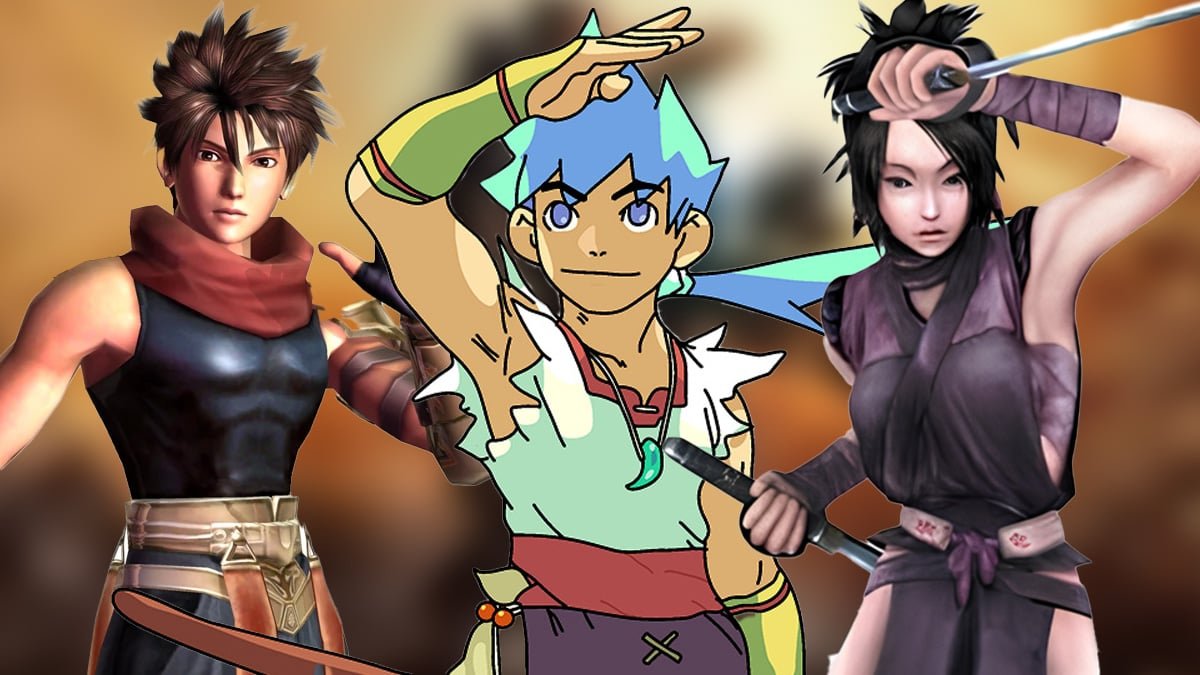
Capcom is currently enjoying one of the greatest “winning streaks” in the history of this medium. Between the massive success of the Resident Evil remakes and the global dominance of Monster Hunter, it feels like they can basically do no wrong right now. But even with all that success, they’re sitting on two absolute gold mines that fans are begging them to excavate: Dino Crisis and Breath of Fire. According to the reporting from Gamebrott, these are the two most requested revivals from the Capcom vault, and the breadcrumbs are finally starting to appear. Just last year, in 2025, Capcom released a classic bundle and finally put the first two Dino Crisis games on Steam. It felt like a calculated move—a “check ombak,” as the kids say—to see if the demand was actually as high as the internet claimed.
And let me tell you, the demand is very, very real. Dino Crisis isn’t just “Resident Evil but with dinosaurs.” It’s a different kind of horror—faster, more panicked, and flavored with a heavy dose of sci-fi. In 2026, with the RE Engine reaching its absolute peak of performance, imagine a modern-day Regina sneaking through a high-tech facility while a photorealistic T-Rex smashes through the ceiling in real-time. It’s a total no-brainer. But then, we have to talk about Breath of Fire. Way back in 2008, Keiji Inafune suggested the franchise was on hiatus because of a lack of internal staff and an oversaturated JRPG market. But look at the market today! Persona is a household name, Final Fantasy is as big as ever, and the Tales of series is thriving. There is plenty of room for Ryu and Nina to make a triumphant return.
The “Ryu as a dragon” mechanic remains one of the coolest, most distinct concepts in the entire JRPG genre. Every entry in the series managed to feel unique while staying familiar. If Capcom can just give Breath of Fire the same level of polish and love they gave to Street Fighter 6, they would have a massive, multi-million-selling hit on their hands. We don’t need another watered-down mobile spin-off that misses the point; we need a sprawling, 60-hour epic on the Switch 2 or the PS5 that reminds us exactly why we fell in love with this series decades ago.
The Shapeshifting Power Fantasy We Actually Deserve to See Again
Then we have to talk about Prototype. Man, I really miss Alex Mercer. Back in 2009, Prototype and InFamous were the undisputed kings of the open-world superhero genre. Prototype won over so many hearts because it was unapologetically, gloriously brutal. You weren’t playing as a traditional hero; you were playing as a sentient, shapeshifting virus tearing its way through a terrified Manhattan. But after the second game failed to hit Activision’s somewhat unrealistic sales targets, Radical Entertainment was effectively gutted. It was a classic industry tragedy—corporate expectations colliding with a game that just wanted to be pure, chaotic fun.
As we move through 2026, we’re seeing a lot of talk about “superhero fatigue” in the world of cinema, but in the gaming world, the desire for a pure, unconstrained power fantasy is higher than it’s ever been. A 2024 report by Newzoo actually found that 45% of gamers prioritize “freedom of movement” and “destructive environments” when choosing their top-tier games. Prototype offers both of those things in spades. With the hardware we have now, the level of environmental destruction and the sheer fluidity of the parkour could be absolutely mind-blowing. Imagine a New York City that actually reacts to your presence in a meaningful way—where every building is potentially destructible and the “Blacklight” virus looks like something ripped straight out of a high-budget horror movie.
And let’s be honest: James Heller and Alex Mercer are significantly more interesting than half the generic protagonists we’ve been stuck with over the last five years. They’re messy, they’re angry, and they’re terrifyingly powerful. If Activision—or whoever eventually ends up holding the keys to the IP—wants to break the mold of the “standard” open-world game, they need to look back at the shapeshifter that started it all. The rumors of a third game have been circulating in the shadows since late 2025, and if there’s any justice left in the gaming world, we’ll see a reveal before this year is out. We’re ready to run up the sides of skyscrapers again.
Closing Thoughts: Why the Past Might Just Be the Key to the Future
It’s very easy for critics to dismiss these calls for “comebacks” as nothing more than mere nostalgia or a refusal to let go of the past. But I think it’s much more than that. These franchises represent specific gameplay niches that have been left completely vacant for far too long. When a whole genre dies off—like the dedicated rhythm game or the high-speed, momentum-based movement shooter—the industry loses a bit of its color and its soul. We end up in a cycle where we get a dozen different “Souls-likes” and “Extraction Shooters” every year, but nothing that feels truly different or daring.
According to the insights from Gamebrott.com, the push for these 8 games isn’t just about reliving some perceived “glory days”; it’s about forcing the industry to diversify its portfolio again. Whether it’s the heart-pounding survival horror of Dino Crisis or the pure rock-and-roll energy of Guitar Hero, these games offered something that you just can’t find anywhere else right now. As we navigate the rest of 2026, I really hope publishers realize that the “safe bet” isn’t always just another sequel to a game that came out three years ago. Sometimes, the safest bet you can make is the one that fans have been screaming for at the top of their lungs for over a decade.
The technology is here. The audience is clearly waiting with their wallets open. All we need now is for someone in a corner office to have the guts to pull the trigger on a sequel that doesn’t involve a battle pass or a seasonal roadmap. Is that too much to ask in this day and age? Probably. But hey, a guy can dream, right?
This article is sourced from various news outlets and industry reports. The analysis and presentation represent our editorial perspective on the current state of the gaming landscape.
About the Author